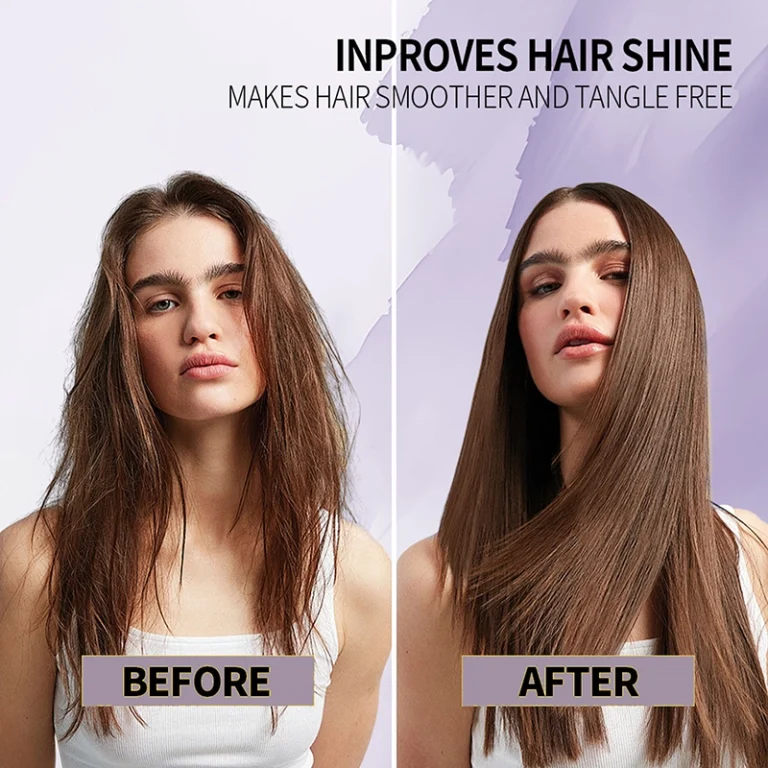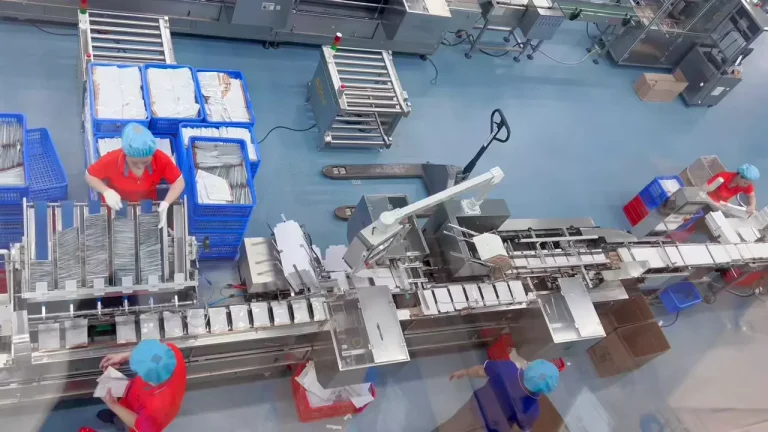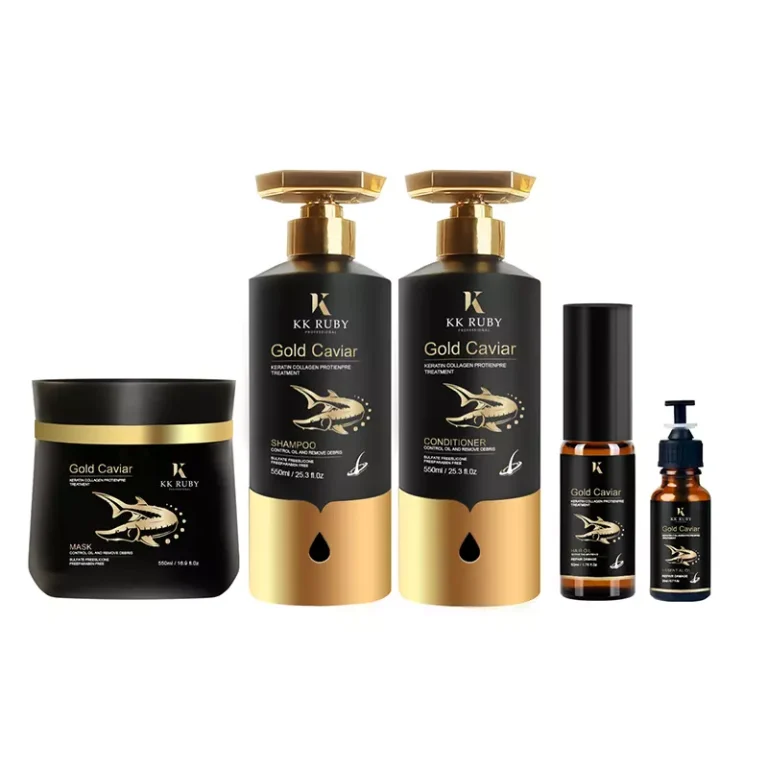
Contract production has become the standard route for brands that want to enter the hair care market without building a factory. Retailers, salons, and e-commerce brands rely on a contract manufacturer to handle formulation, filling, packaging, and compliance. For procurement decision makers, the challenge is not finding a producer; it is separating a dependable shampoo contract production partner from one that will create delays, quality issues, or hidden costs. This guide explains what to evaluate before you sign, with the concrete numbers and processes that matter in a production agreement.
What Contract Production Covers
Shampoo contract production is an arrangement in which a manufacturer produces shampoo under your brand name. The scope usually includes formula development, raw material sourcing, batch manufacturing, filling and packaging, labeling, and quality testing. Depending on the agreement, the manufacturer may also handle regulatory documentation and warehousing. The key distinction is ownership of the formula: in an OEM model you supply or approve the formula, while in an ODM model the manufacturer develops the formula for you. ODM — Original Design Manufacturer — is the term used when the factory owns the formula library and offers finished recipes for your brand. Understanding this difference is the first step in scoping any shampoo contract production project.
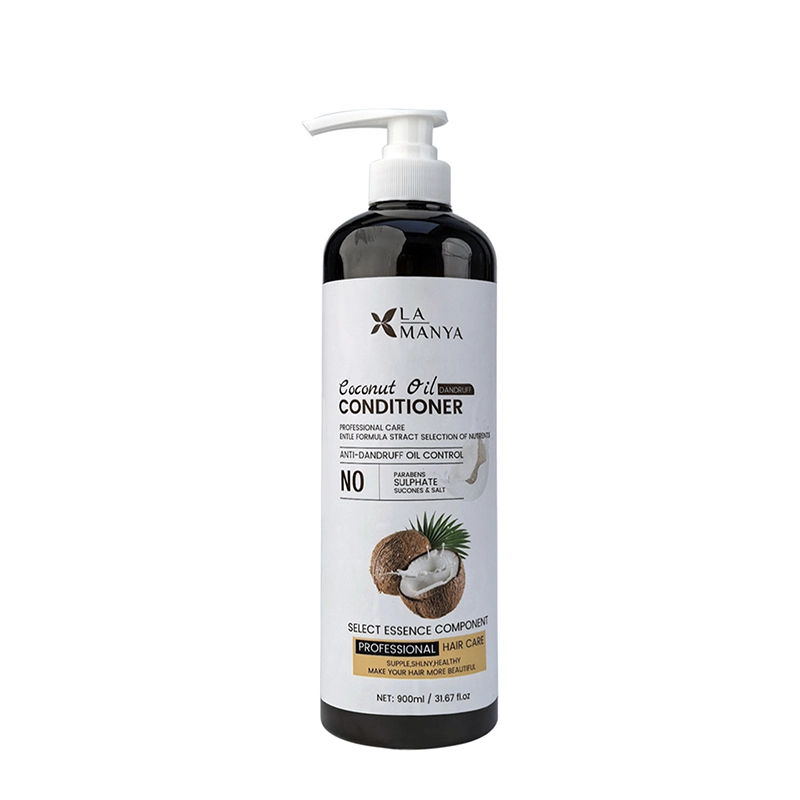
Why Brands Choose Contract Production Over In-House Manufacturing
Building a shampoo line in-house requires capital for mixing tanks, filling lines, water treatment, laboratory equipment, and certified clean rooms. A mid-size production setup can cost several million dollars before the first bottle is sold. Contract production removes that barrier: you pay per unit instead of for infrastructure. The factory spreads its fixed costs across dozens of clients, which lowers your unit price and shortens your time to market. You also avoid the recruitment, training, and permitting burden that comes with operating a chemical processing site, which matters when your launch team is focused on brand building rather than factory management. Most brands we work with bring a shampoo contract production plan to us after realizing that their capital is better spent on marketing, distribution, and product development than on machinery.
Formulation Capability and the Formula Library
The quality of your product starts with the formula. A serious contract manufacturer holds a library of tested formulas and a dedicated R&D team that can adapt them. At our facility in Guangzhou, we maintain more than 5,000 formulations developed over 16 years of OEM experience, covering sulfate-free, anti-dandruff, botanical, and functional shampoos. When you start a shampoo contract production project, ask how many formulas the factory has, whether the R&D team can customize pH, surfactant systems, and active ingredients, and whether stability testing is included. Custom formulation typically takes 30 to 45 days, including stability and compatibility tests. If a supplier cannot show documented stability data for its formulas, treat that as a red flag.
MOQ, Pricing Tiers, and Cost per Unit
Minimum order quantity is often the deciding factor for smaller brands. Our standard MOQ is 5,000 pieces per SKU, and we use tiered pricing that improves as volume increases, with more than 20,000 price points across order sizes. A shampoo contract production quote normally includes raw materials, manufacturing, filling, packaging, and testing; shipping and custom packaging are quoted separately. Ask for a full cost breakdown so you can compare suppliers on the same basis. Be cautious with quotes that are dramatically lower than the market average, because raw material substitution is the most common way a factory cuts corners, and the substitution usually appears only after the first large batch fails consumer testing.
Quality Control and Third-Party Testing
Quality control is where reputable manufacturers separate themselves. A compliant facility operates under GMPC standards, performs incoming raw material checks, in-process batch testing, and finished product inspections, and keeps retained samples for every batch. For export orders, we provide third-party test reports covering microbiology, heavy metals, and restricted substances, and we support NDA and compliance documentation for the U.S., EU, and other markets. Before finalizing any shampoo contract production agreement, confirm which tests are included in the unit price and which are billed separately. Also confirm that the factory can produce a Certificate of Analysis for each batch, because your retailer will request it eventually.
Capacity, Lead Time, and Stock Availability
Production capacity determines whether your supplier can scale with you. Our plant covers 50,000 square meters of GMPC-certified space with more than 100 production lines and a daily output of 500,000 bottles. For procurement teams, the practical questions are: how many units can the factory produce per day, what is the standard lead time for a repeat order, and does the supplier keep stock of popular packaging and formulas. We keep ample stock available for core shampoo SKUs, support mixed batch orders, and can arrange 48-hour shipping for ready-to-sell products. In a shampoo contract production relationship, a supplier with buffer stock protects you from stock-outs during peak sales seasons. For seasonal promotions, we also reserve production capacity for returning clients, so a repeat order does not compete with new projects on the same filling line.
A Practical Example: From Brief to First Batch
To illustrate how the process works, consider a U.S. e-commerce brand that approached us with a sulfate-free shampoo concept for a salon line. The brand provided a brief on target hair types, fragrance preferences, and packaging. Our R&D team proposed two formulas, both developed in-house, and the brand selected one after reviewing the ingredient lists. We produced samples within 10 days and shipped them for the brand’s consumer panel. After the panel results, we adjusted the surfactant ratio and preservative system, then ran stability testing for four weeks. The first production batch of 5,000 bottles was filled, labeled, and shipped within 25 days of sample approval. The total time from brief to first batch was approximately 9 weeks, and the brand paid only after signing a standard NDA and purchase order. This timeline is typical for a shampoo contract production engagement when the formula direction is clear from the start.
Compliance, Certifications, and Documentation
Export compliance is a growing part of procurement due diligence. Verify that the factory holds the certifications your target market requires: GMPC and ISO 22716 for cosmetics manufacturing, plus region-specific documentation such as a Cosmetic Product Safety Report (CPSR) for the EU or MSDS for shipping. A reliable shampoo contract production partner will name the certifications it holds and show the audit reports, rather than describing them in general terms. We are a GMPC-certified factory and provide full documentation support, including ingredient declarations, stability summaries, and third-party test certificates, so your registration process does not stall because of missing paperwork. Keep a copy of every certificate, audit report, and test certificate in your supplier file, because customs brokers and retail compliance teams will ask for the same documents again in different formats.
Checklist for Evaluating a Contract Manufacturing Partner
Before you sign, walk through this checklist: confirm the factory owns its production lines rather than subcontracting; review the formula library and request stability data; verify MOQ, tiered pricing, and what the unit price includes; inspect GMPC and ISO certification documents; ask for third-party test reports and the Certificate of Analysis process; clarify lead times and stock availability, including 48-hour shipping options; request free samples and compare them against your brief; and confirm that an NDA protects your product concept. Working through these points in writing prevents most disputes that arise later in a contract manufacturing relationship.
Contract Production Lines We Run Today
Contract production only pays off when the SKU list is narrow enough to amortise changeover time, so the first question is which existing lines your formula can drop into. The two lines most often contracted by importers are selenium disulfide anti-dandruff shampoo and keratin shampoo and conditioner set, both filled on the same 250 ml and 500 ml platform. Contract volumes start at 5,000 pcs per SKU with custom formula, fragrance and packaging, on factory wholesale terms for brands and importers only. Full capability detail is listed on our service page.
Frequently Asked Questions
1. What does contract shampoo production involve?
Contract shampoo production is a manufacturing arrangement in which a factory produces shampoo under your brand name. It typically covers formula development or adaptation, raw material sourcing, manufacturing, filling, packaging, labeling, and quality testing, so you can launch a product without building your own facility.
2. What is the minimum order quantity for contract shampoo production?
Our standard MOQ is 5,000 pieces per SKU. We also offer tiered pricing that improves as order volume increases, so the unit cost drops as you scale. Confirm the MOQ for your specific packaging size, because larger bottles and custom packaging can affect the minimum.
3. How long does it take to develop a custom shampoo formula?
A typical custom formulation takes 30 to 45 days, including stability and compatibility testing. Sample approval, packaging lead time, and production scheduling add to the total; a straightforward project can go from brief to first batch in about 9 weeks.
4. What certifications should a shampoo contract manufacturer hold?
Look for GMPC and ISO 22716 certification as a baseline for cosmetics manufacturing, plus any documentation required by your target market such as third-party test reports for microbiology and heavy metals. Ask to see the certificates and audit reports directly.
5. Can a contract manufacturer ship ready-to-sell shampoo quickly?
Yes, if the supplier keeps stock of core formulas and packaging. We keep ample stock available for popular shampoo SKUs and support mixed batch orders, with 48-hour shipping available for ready-to-sell products. For custom formulas, standard lead times apply.
Contact us today to request free samples and a customized quotation for your next hair care product line.
For the full picture on this category, start with Shampoo OEM Manufacturer China: 2026 Sourcing Checklist.
Adjacent briefs worth reading together: Quality Control in Hair Care Contract Production: A Complete Guide for Brand Owners, Finding a Premium Hair Care Contract Manufacturer: The Key to Building a Successful Hair C, Custom Shampoo Manufacturer: From Brief to First Batch.
If you are comparing what a factory already produces, review our existing shampoo and scalp care formulations.