When building a successful hair care brand, marketing and packaging might catch the consumer’s eye, but product efficacy and safety are what build long-term loyalty. For brands outsourcing their manufacturing, understanding quality control in hair care contract production is not just a technicality—it is the foundation of your brand’s reputation.
A single bad batch of shampoo or a separated emulsion in a conditioner can lead to costly recalls, negative reviews, and damaged trust. In this guide, we will break down the rigorous quality control (QC) and quality assurance (QA) protocols that top-tier cosmetic contract manufacturers use to ensure your hair care line meets global safety and performance standards.
1. Raw Material Inspection and Verification
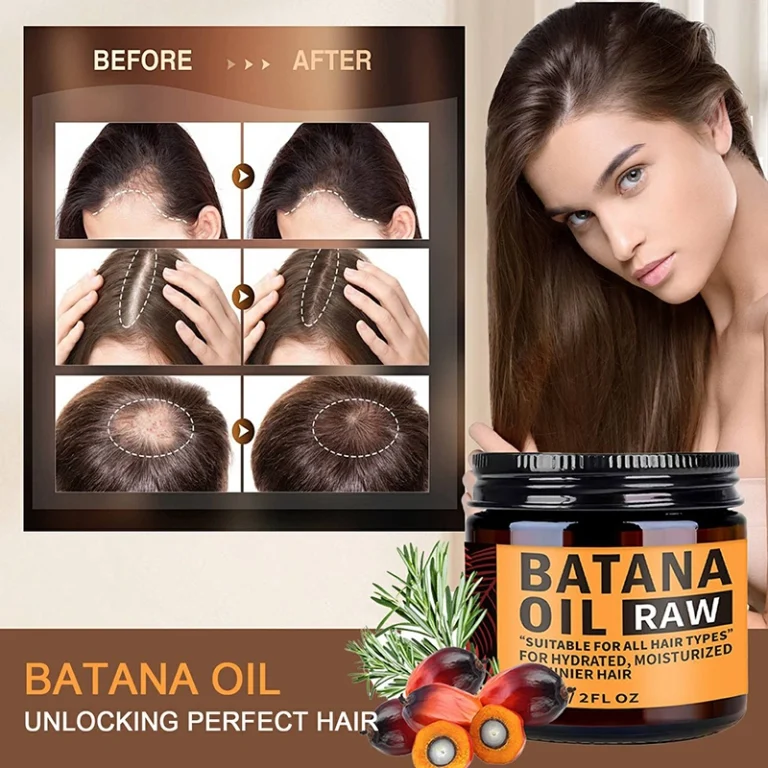
Quality control begins long before the mixing tanks are turned on. High-quality hair care products—whether they are sulfate-free shampoos, deep-conditioning masks, or trending formulations like Batana oil serums—require premium, uncontaminated ingredients.
- Certificate of Analysis (CoA) Review: Every ingredient arriving at the facility must be accompanied by a CoA from the supplier, verifying its specifications.
- Microbiological Screening: Raw materials, especially water and natural extracts, are rigorously tested for bacteria, yeast, and mold.
- Physical and Chemical Profiling: Ingredients are checked for correct pH, specific gravity, color, and odor to ensure they match the approved baseline before entering the warehouse.
2. Formulation Stability and Compatibility Testing
Before mass production begins, a reliable OEM/ODM manufacturer will run your formulation through exhaustive stability tests. This phase ensures the product maintains its intended chemical and physical properties throughout its shelf life.
- Thermal Testing (Freeze-Thaw Cycles): Hair care products are exposed to extreme temperature variations to ensure the formula does not separate, crystallize, or change viscosity during shipping and storage.
- Photostability Testing: Products are exposed to UV light to check for discoloration or degradation, which is especially critical for products sold in clear or semi-transparent bottles.
- Packaging Compatibility: The formula is stored in its final packaging (e.g., PET bottles, airless pumps) for weeks to ensure there is no chemical reaction, leaching, or packaging deformation.
3. In-Process Quality Control (IPQC)
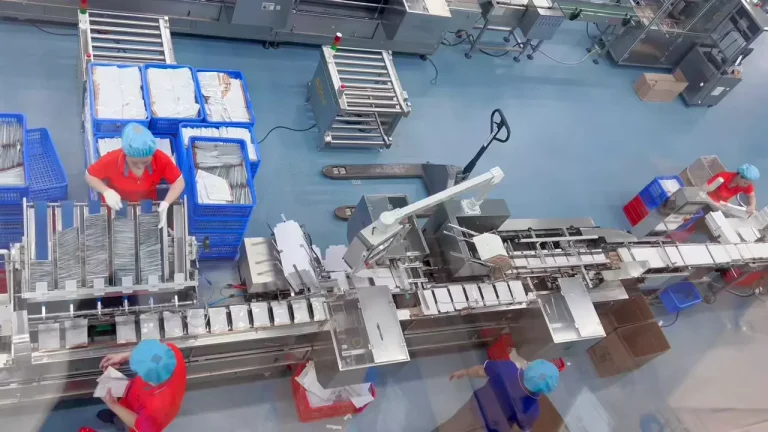
During the actual manufacturing phase, stringent In-Process Quality Control (IPQC) is vital to guarantee that an 8,000-liter batch matches the exact specifications of the initial 100ml lab sample.
Top-tier facilities follow strict Good Manufacturing Practices (GMP) and ISO 22716 standards. During production, QC technicians pull samples at various stages to test for:
- pH Levels: Crucial for scalp health and hair cuticle smoothing.
- Viscosity: Ensuring the product flows correctly through packaging pumps and feels right in the consumer’s hand.
- Active Ingredient Homogeneity: Confirming that active ingredients (like keratin, caffeine, or botanical extracts) are evenly distributed throughout the entire batch.
4. Post-Production and Microbiological Clearance
Once the product is blended and filled into its primary packaging, it enters a quarantine phase. It cannot be shipped to your brand’s distribution center until it passes the final round of testing.
- Seal and Leak Testing: Vacuum chambers are used to test the integrity of seals, caps, and pumps to prevent leaks during transit.
- Final Microbial Testing: The finished, packaged product is tested one last time to ensure no contamination occurred during the filling process.
- Batch Tracing: A unique batch number is assigned and stamped on the product, linking it to the exact raw materials, operators, and testing data for full traceability.
Frequently Asked Questions (FAQ)
What is the standard quality control process in hair care manufacturing? The standard process involves four main stages: incoming raw material inspection, formulation stability testing, In-Process Quality Control (IPQC) during batching and filling, and final microbiological and packaging integrity testing before shipment.
Why is stability testing important for hair care products? Stability testing ensures that products like shampoos and hair masks will not separate, change color, or lose efficacy over their intended shelf life. It proves the formula can withstand temperature fluctuations during shipping and long-term storage.
What certifications should a reliable hair care contract manufacturer have? A reputable hair care manufacturer should hold ISO 22716 certification and strictly adhere to Good Manufacturing Practices (GMP). Depending on your target market, FDA compliance, CE marking, or specific organic/vegan certifications may also be required.
How does a factory ensure consistency across different production batches? Factories ensure consistency by using automated, computerized batching systems, strictly adhering to Standard Operating Procedures (SOPs), and matching the physical and chemical properties (pH, viscosity, specific gravity) of every new batch to a retained “master standard” sample.
Conclusion: Partnering with a Factory That Prioritizes Quality
Effective quality control in hair care contract production is a comprehensive, multi-step process that requires state-of-the-art equipment, experienced chemists, and a commitment to global standards. When you are evaluating potential B2B manufacturing partners, their QC laboratory and protocols should be your primary focus.
Partnering with an OEM/ODM factory that treats quality assurance as a strict science minimizes your brand’s risk, lowers your return rates, and guarantees that your customers receive exactly what your label promises, every single time.
[Suggested Button Text for Your Site: Request a Free Quote / Discuss Your Formulation Strategy Today]