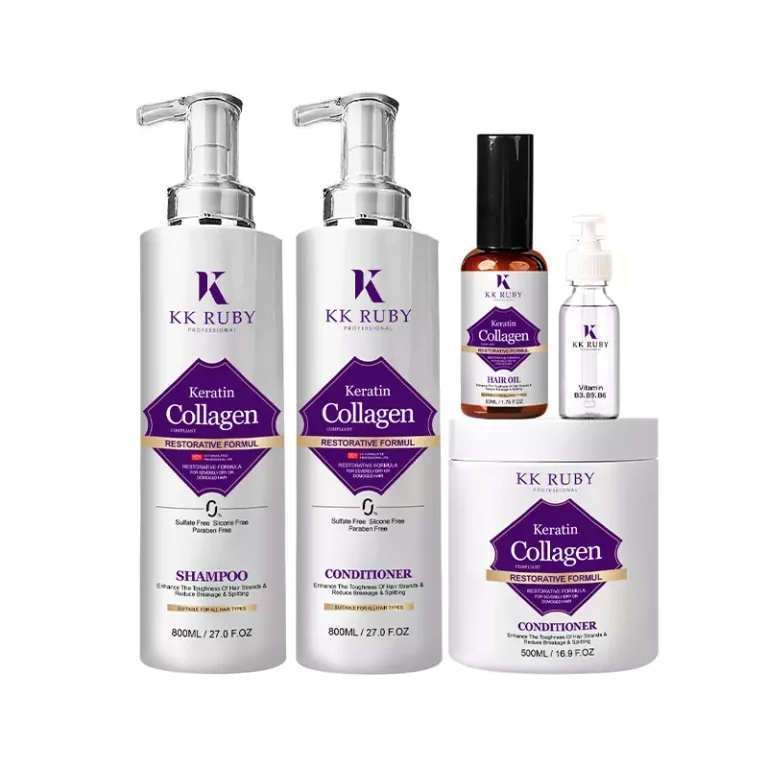
Keratin conditioner occupies a strong position in the hair care aisle: it carries salon heritage, a repair-focused benefit story, and steady consumer demand across price points. The active ingredient is familiar to shoppers, which shortens the launch path compared with an unknown botanical. For procurement teams, the real question is operational, choosing a keratin conditioner manufacturer private label partner that can reproduce the formula, hold tolerances, and document quality across every batch. That decision determines whether your margin survives repeat orders.
The stakes are higher than for a simple moisturizing rinse. Conditioner is a repeat-purchase SKU, so formula drift, an off note, or a viscosity change can reach customer reviews quickly. Buyers who understand protein raw materials, preservation systems, and compliance requirements can compare factories on evidence instead of marketing language.
Why a Keratin Conditioner Deserves a Dedicated Sourcing Plan
Demand for protein-based hair repair has grown as consumers move toward recognizable ingredients and away from silicone-heavy formulas. Keratin, the structural protein of hair, gives a conditioner a benefit story that is easy to explain: hydrolyzed keratin is broken into smaller fragments that can deposit on the cuticle, smooth the surface, and improve manageability without requiring medical claims.
Retailers and e-commerce platforms treat the segment seriously. Repair and strengthening conditioners occupy expanding shelf space, and keratin variants regularly appear among top sellers. For distributors, the appeal is broad recognition and a clean ingredient list that supports a mid-premium price point.
A keratin conditioner manufacturer private label arrangement only works when the protein input is standardized. Keratin is a natural material with lot-to-lot variation, and the factory must verify molecular weight, protein content, and microbiological quality before the raw material enters production. That capability protects your brand over the full life of the SKU.

What a Keratin Conditioner Manufacturer Must Control in a Private Label Program
Evaluating a keratin conditioner manufacturer private label partner begins with the audit framework you would use for any cosmetics factory, then adds checks that are specific to protein systems. Four areas carry most of the risk: raw material verification, pH and conditioning balance, preservation, and batch documentation.
Raw material verification. Hydrolyzed keratin should arrive with a Certificate of Analysis stating protein content, molecular weight distribution, and the source material, which is typically wool or a plant-based alternative. The molecular weight range matters: lower-weight fractions deposit more easily, while higher-weight fractions form a surface film. Test every lot before production, not only the initial sample.
pH and conditioning balance. Keratin conditioners typically run at a slightly acidic pH near 4.5 to 5.5, close to the natural pH of hair, and the protein must work with cationic conditioning agents such as behentrimonium chloride. Too much protein leaves hair stiff; too little weakens the claim. The specification should state the protein level and pH range for each batch.
Preservation and microbial control. Protein is a nitrogen source for microorganisms, so a keratin conditioner must pass preservative efficacy testing. The challenge test result, water quality, and the manufacturing environment determine whether the product stays stable through its shelf life.
Formaldehyde-free confirmation. Keratin conditioners are sometimes confused with salon smoothing treatments that historically used formaldehyde. A rinse-out or leave-in conditioner should contain no formaldehyde and no formaldehyde-releasing preservatives. Confirm this with a test report, not a label statement, before you commit to a positioning.
Formulation Options and In-House Development
Keratin conditioner can be built on several bases. A daily rinse-out formula uses a lighter protein load, while a deep-repair version adds more protein and richer emollients for damaged hair. Leave-in formats need a different preservative and film balance because they are not rinsed. The base, whether sulfate-based or sulfate-free, also changes how the protein performs.
Our factory develops keratin conditioner programs in-house. With more than 5,000 formulas in our library and 16 years of OEM experience, we can adapt an existing base or build a custom formula around your protein load, viscosity, fragrance, and packaging brief. In-house R&D means formulation, stability screening, and adjustment happen in one place, which shortens the sampling phase and removes translation gaps between your team and the lab.
A practical example: a North American distributor wanted a sulfate-free keratin conditioner for salon supply with a moderate protein level, no artificial color, and a neutral scent profile. Our lab produced three variants in two weeks and ran a four-week stability pre-check; the distributor selected one formula for a 5,000-piece pilot order. The full stability study continued while the pilot batch moved through production, so the launch timeline was not blocked by testing.
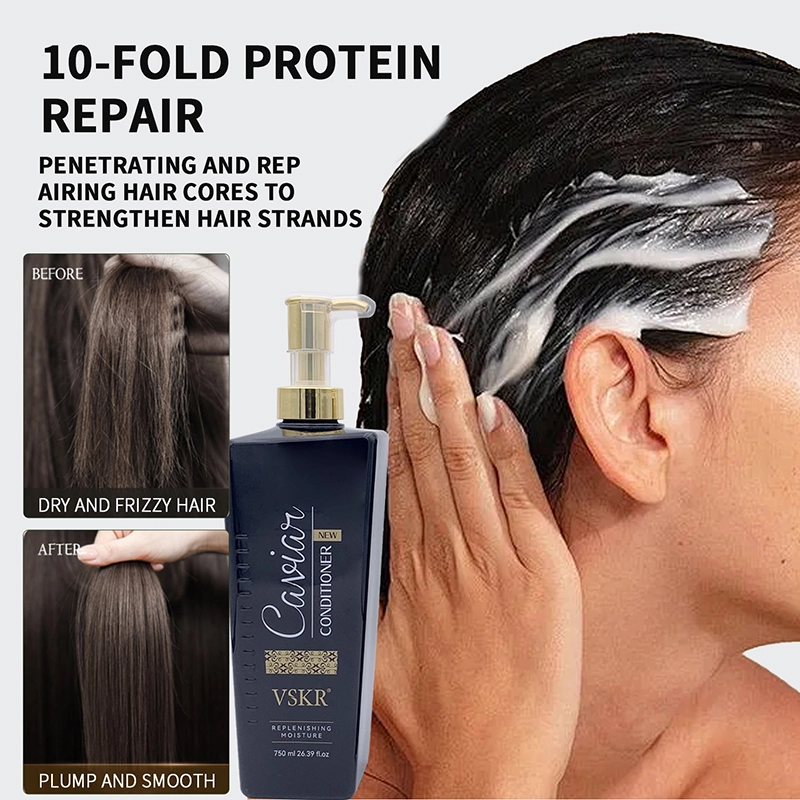
Private Label Terms: MOQ, Pricing, Packaging, and Lead Time
Commercial terms matter as much as formulation. Our standard minimum order quantity is 5,000 pieces per SKU, which keeps first orders practical for new brands while allowing the factory to plan efficient production. Above 20,000 pieces, tiered pricing reduces the unit cost, so brands with confident forecasts can improve margin immediately.
Customizable packaging options are part of the program. Bottles, pumps, labels, and cartons can be specified to your brand system, and we can recommend packaging formats that control cost without weakening shelf presence. Labels should state the keratin level and the INCI name for hydrolyzed keratin so the claim matches the formula.
For buyers who need speed, stock formulas with standby packaging can ship within 48 hours once artwork is approved, and ample stock is available for repeat orders. If you are building a conditioner range, we support mixed batch orders, so several SKUs can share a production slot and a single container.
When you compare quotations from a keratin conditioner manufacturer private label candidate, ask for a breakdown that separates formulation, raw materials, filling, packaging, and testing. A transparent quotation lets you negotiate on real cost drivers instead of accepting a single opaque number.
Quality Systems, Testing, and Destination-Market Compliance
A keratin conditioner manufacturer private label supplier should operate inside a certified quality system. Our 50,000-square-meter facility in Guangzhou is GMPC-certified and runs more than 100 production lines with a daily output of 500,000 units. Those credentials describe the environment where your product is made: controlled water quality, documented cleaning between batches, and trained operators following written procedures.
Before shipment, the finished product should be covered by third-party test reports. Microbiological testing, heavy metal screening, and stability data from an accredited laboratory give you documents that retailers and regulators will accept. Each batch should also carry a production record and a retained sample for audit traceability.
Destination-market requirements apply as well. U.S. brands must complete FDA facility registration and product listing under MoCRA, EU brands need CPNP notification, and brands selling into China must follow NMPA rules. The factory should support that paperwork with the underlying technical file and current certificates.
How to Vet a Partner Before You Commit
Use a short evaluation sequence to compare candidates. First, request samples of an existing keratin conditioner and assess feel, rinse-off, wet and dry combing, and scent against your brief. Second, ask for the finished-product specification and confirm that the protein content, pH, and preservative system are stated and tested per batch. Third, review the GMPC certificate, third-party test reports, and export documentation. Fourth, clarify MOQ, lead times, and packaging options in writing before negotiation.
Free samples are available for evaluation before any purchase order, and our team can arrange a factory tour or video audit so you can see the production environment. We also sign NDAs before formulation details are shared. The evaluation should end with a commercial proposal that lists formulation, materials, filling, testing, and logistics, giving your procurement team a defensible basis for the final decision.
Keratin conditioner is a competitive category with genuine formulation complexity behind the label. The right keratin conditioner manufacturer private label partner combines a tested formula, standardized protein inputs, batch-level quality data, and transparent commercial terms. Start with a sample request and a specification review, and the sourcing decision becomes a matter of documented evidence rather than guesswork.
Keratin Formats Beyond Conditioner
Conditioners carry the keratin claim best because they sit on the fibre longer, but the same hydrolysed protein works across masks and shampoo sets. If you are building the full range, the usual companions to conditioner are keratin shampoo and conditioner set, an organic keratin hair care set and keratin deep repair hair mask. All are produced from 5,000 pcs per SKU with custom formula and packaging, supplied on factory wholesale terms to B2B buyers only.
Frequently Asked Questions
1. What is the minimum order quantity for a private label keratin conditioner?
Our standard MOQ is 5,000 pieces per SKU, with tiered pricing above 20,000 pieces. The MOQ applies across variants because formulation, filling, and testing costs are similar once the formula is locked.
2. How is the quality of hydrolyzed keratin verified?
Every keratin lot is tested against a Certificate of Analysis that states protein content, molecular weight distribution, source, and microbiological limits. The finished-product specification confirms the protein level in the formula, and batch-level testing ensures consistency across runs.
3. Is it possible to produce a formaldehyde-free keratin conditioner?
Yes. Our keratin conditioners contain no formaldehyde and no formaldehyde-releasing preservatives. A third-party test report confirms this for each formula, which matters because keratin products are sometimes confused with salon smoothing treatments.
4. Can several conditioner SKUs be combined into one order?
Yes. We support mixed batch orders, so a rinse-out conditioner, a deep-repair variant, and a leave-in format can share one production slot and one container, which keeps unit costs under control.
5. What documents does the buyer receive before shipment?
Buyers receive the INCI list, Certificate of Analysis, third-party microbiology and stability reports, and batch records. GMPC certification and export documentation support destination-market registration such as MoCRA listing, CPNP notification, or NMPA filing.
Contact us today to request free samples and a customized quotation for your next hair care product line.
For the full picture on this category, start with China Keratin Nourishing & Moisture Shampoo: A Sourcing Guide for OEM and Private Lab.
Adjacent briefs worth reading together: The Keratin Revolution: A Comprehensive Guide to Modern Hair Repair and Manufacturing, Botox Hair Treatment Manufacturer Private Label: A Sourcing Guide for Brand Owners.
If you are comparing what a factory already produces, review our private label hair care product range.
Related: Collagen vs Keratin Shampoo: Which Claim Sells in 2027.