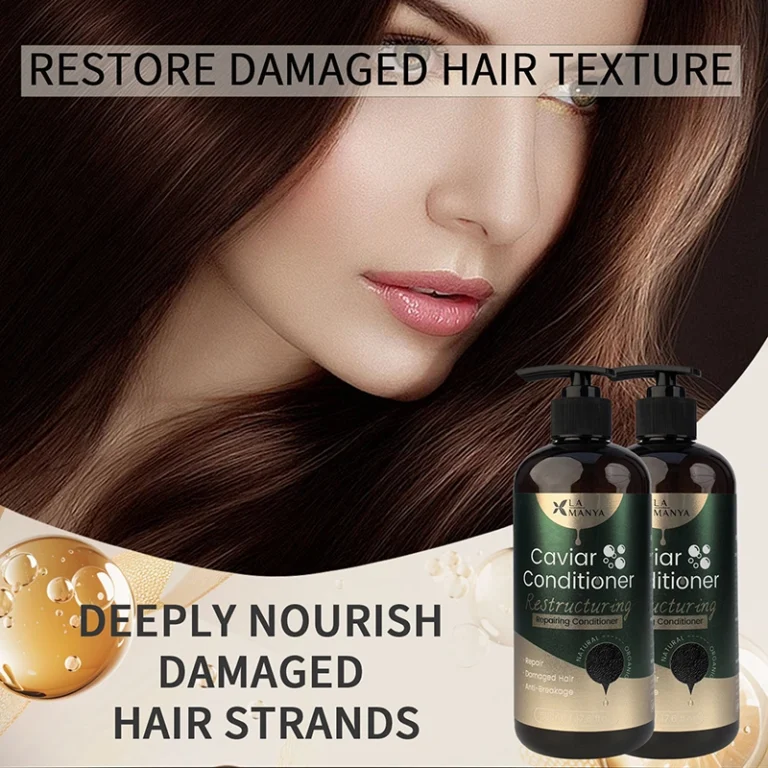
Launching your own hair care line is a lucrative venture, but one of the first hurdles brand owners face is understanding the financials. If you are researching the cost of private label shampoo manufacturing, you will quickly realize that there is no single “flat rate.”
The final price per unit depends on a variety of factors, from the complexity of your formula to your packaging choices and production volume. In this guide, we will break down the exact variables that influence your manufacturing costs, helping you budget effectively and maximize your profit margins.
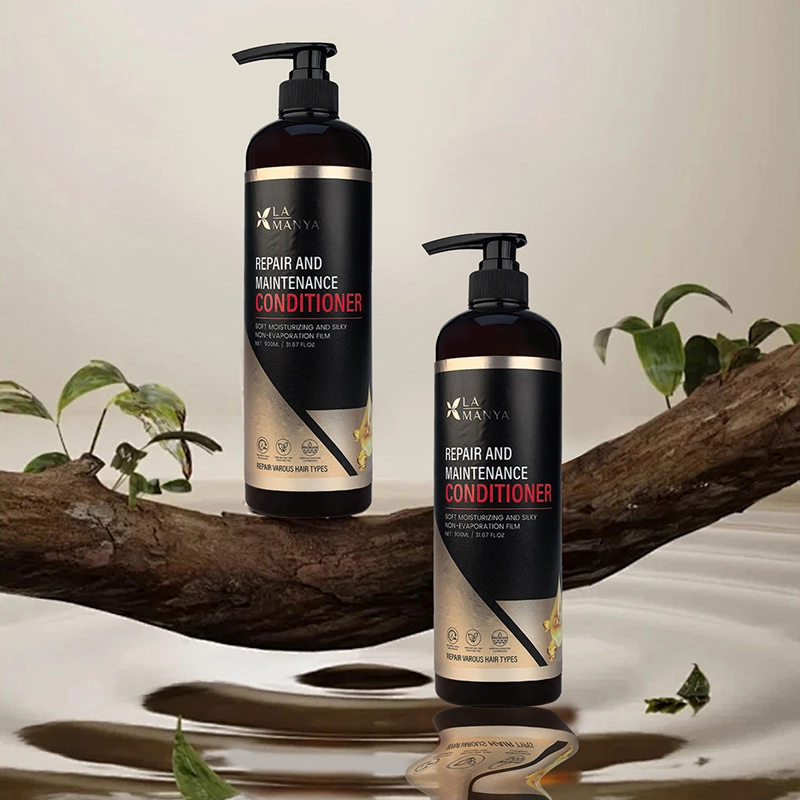
1. Formulation: White Label vs. Custom ODM
The liquid inside the bottle is the core of your product, and how you source it significantly impacts your initial investment.
- White Label (Pre-existing Formulas): This is the most cost-effective route. The manufacturer already has a proven, stable shampoo formula. You simply select it, perhaps add a signature fragrance, and put your brand on it. Cost impact: Low. No R&D fees required.
- Custom Formulation (ODM): If you want to create a unique product—such as a trending vegan formula, a sulfate-free scalp treatment, or a shampoo infused with niche ingredients like Batana oil—you will need custom R&D. Cost impact: Higher upfront R&D R&D fees (typically ranging from $500 to $2,500+ per formula), but it provides a unique selling proposition (USP) for your brand.
2. Minimum Order Quantities (MOQs)
In B2B manufacturing, volume dictates pricing. The Minimum Order Quantity (MOQ) is the lowest number of units a factory is willing to produce for you in a single run.
- Low MOQ (500 – 1,000 units): Great for testing the market, but the cost per unit will be at its highest.
- Standard MOQ (5,000 – 10,000+ units): This is where economies of scale kick in. Ordering in larger volumes drastically reduces the cost of raw materials, labor, and machine setup time, resulting in a much lower cost per bottle.
3. Packaging and Labeling
Do not underestimate the cost of aesthetics. Packaging can sometimes cost as much as, or more than, the shampoo itself.
- Bottles and Pumps: Standard PET or HDPE bottles are highly affordable. However, custom molds, glass bottles, or premium airless pumps will increase your cost of private label shampoo manufacturing.
- Labels and Printing: Direct silk-screen printing on the bottle looks premium but is more expensive than standard waterproof sticker labels.
- Secondary Packaging: Adding individual retail boxes adds material and labor costs to your final invoice.
4. Testing, Compliance, and Certification
Before your shampoo hits the shelves, it must be safe and compliant with local regulations (such as FDA guidelines in the US or CPnP in Europe).
- Microbial and Stability Testing: Ensures the product won’t spoil or separate on the shelf.
- Certifications: If you want to claim your shampoo is “Certified Organic,” “Cruelty-Free,” or “Vegan,” expect to pay administrative and auditing fees to third-party organizations.
5. Shipping and Logistics
Whether you are manufacturing domestically or importing from a major cosmetics hub, freight costs must be factored into your landed cost. Liquids are heavy, which means sea freight is usually the most economical option for large orders, whereas air freight will severely eat into your profit margins.
Frequently Asked Questions (FAQ)
Q: What is the average per-unit cost for private label shampoo? A: While it varies wildly based on the factors above, a standard white-label shampoo ordered at a 5,000 unit MOQ typically ranges from $1.50 to $4.00 per unit, fully packaged. High-end custom formulations with premium packaging can cost $5.00 to $8.00+ per unit.
Q: Can I start a shampoo line with $1,000? A: It is very difficult to do full-scale private labeling with $1,000 due to MOQs and shipping. However, some suppliers offer ultra-low MOQ “ready-to-label” stock products that might fit this budget for a very small micro-launch.
Q: Are there any hidden costs in contract manufacturing? A: Watch out for R&D revision R&D fees, stability testing R&D fees, tooling R&D fees for custom packaging molds, and warehousing R&D fees if you do not take immediate delivery of your finished goods. Always ask your supplier for a comprehensive quote.
Q: How long does the manufacturing process take? A: White label products can be ready in 4 to 6 weeks. Custom formulations often take 3 to 6 months due to the time required for R&D, sampling, and stability testing.
Ready to Launch Your Hair Care Brand?
Understanding the cost of private label shampoo manufacturing is the first step toward building a profitable beauty business. By balancing your formula needs, packaging desires, and order volumes, you can engineer a product that delights your customers and protects your bottom line.
Are you looking for a reliable manufacturing partner to bring your vision to life? [Insert Call to Action/Link to Contact Form: “Contact our team today for a transparent, custom quote!”]