Introduction: Decoding the Hair Care Product Manufacturer Price List
For procurement professionals entering the beauty industry, a manufacturer pricing document can appear deceptively simple. Yet behind each line item lies a complex calculation involving formulation chemistry, packaging specifications, order volume, and regulatory compliance. Understanding how to read and evaluate these pricing structures is essential for making cost-effective sourcing decisions.
At our 50,000 m² GMPC-certified facility in Guangzhou, we have worked with over 200 private label and OEM clients across 30 countries. Based on this experience, we have compiled a practical guide to interpreting a hair care product manufacturer price list — what the numbers actually mean and how to compare quotes accurately.
What Goes Into a Manufacturer’s Price
Before examining any pricing document, buyers should understand the five primary cost components that determine the final per-unit price. Each component represents a distinct decision point that affects both quality and cost.
1. Raw Material Costs (40-55% of Total)
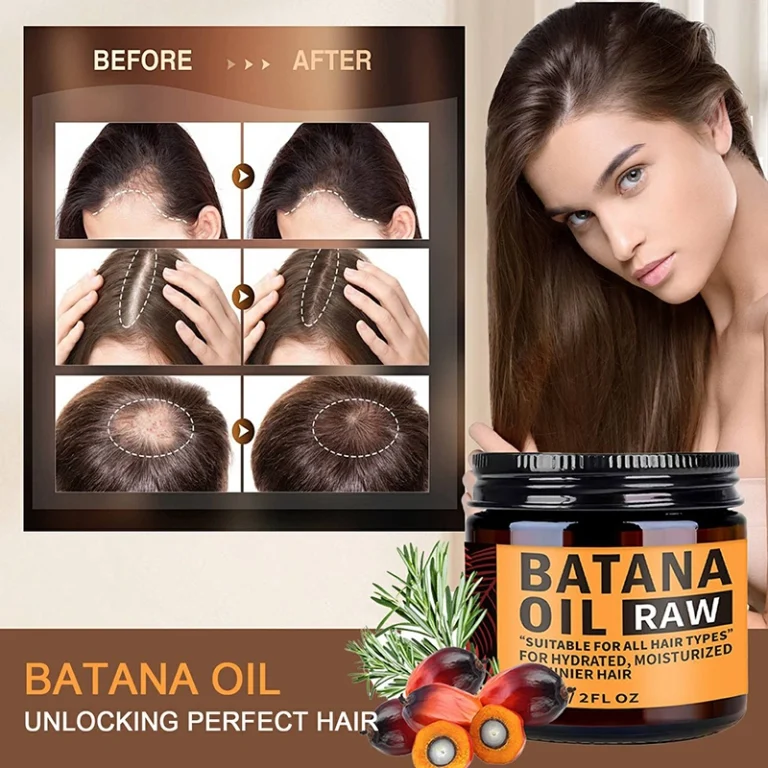
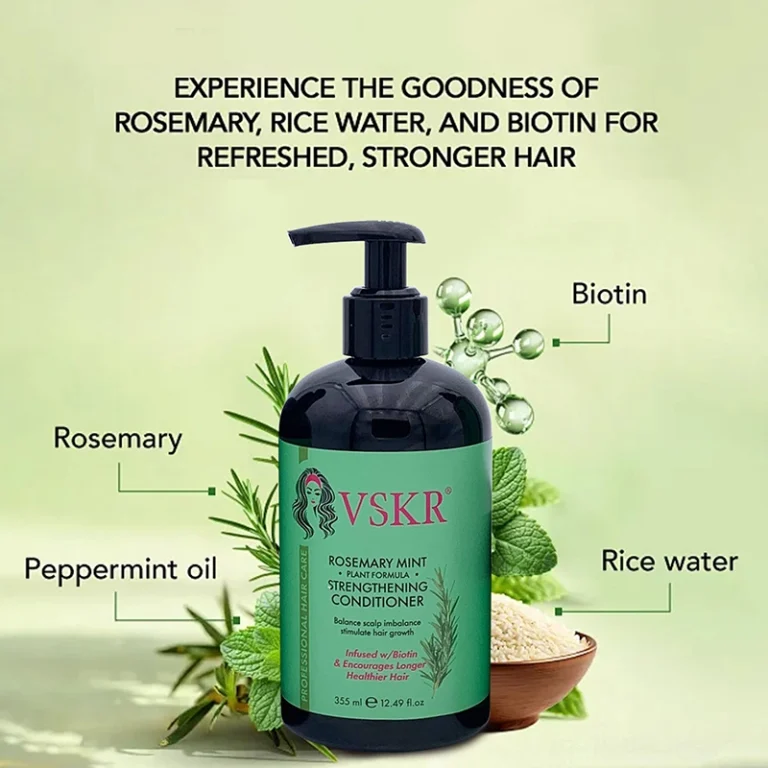
Active ingredients represent the largest expense in any manufacturing quote. A basic sulfate-free shampoo base costs significantly less than a caffeine-infused anti-hair-loss formula with specialized delivery systems. When reviewing supplier pricing, note whether the quoted price uses standard commodity ingredients or active botanical extracts. For example, unrefined batana oil commands a premium over conventional carrier oils, while synthetic keratin is more affordable than plant-derived alternatives. A professional hair care product manufacturer price list should specify the grade and origin of key active ingredients.
2. Formulation Development (10-15%)
Custom formulation carries an NRE (non-recurring engineering) cost that manufacturers amortize across the first production run. Most manufacturers, including our facility, waive formulation fees for orders above 5,000 units per SKU. This is one area where an unusually low price on a supplier’s document may indicate the use of standard off-the-shelf bases rather than developing tailored formulations. Always confirm whether the quoted pricing includes custom formula development or uses existing stock formulas.
3. Packaging and Labeling (15-25%)
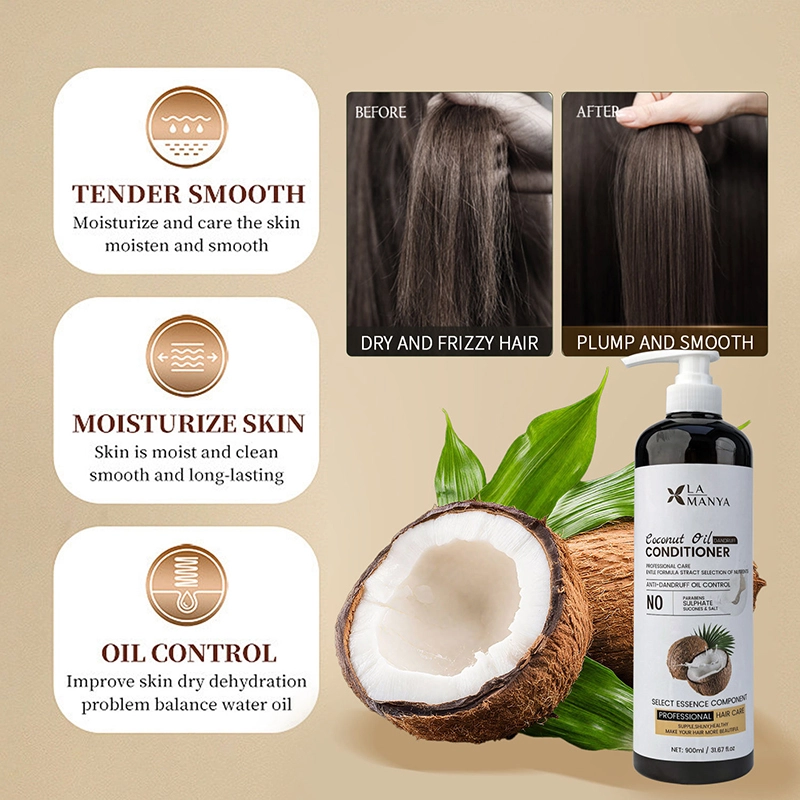
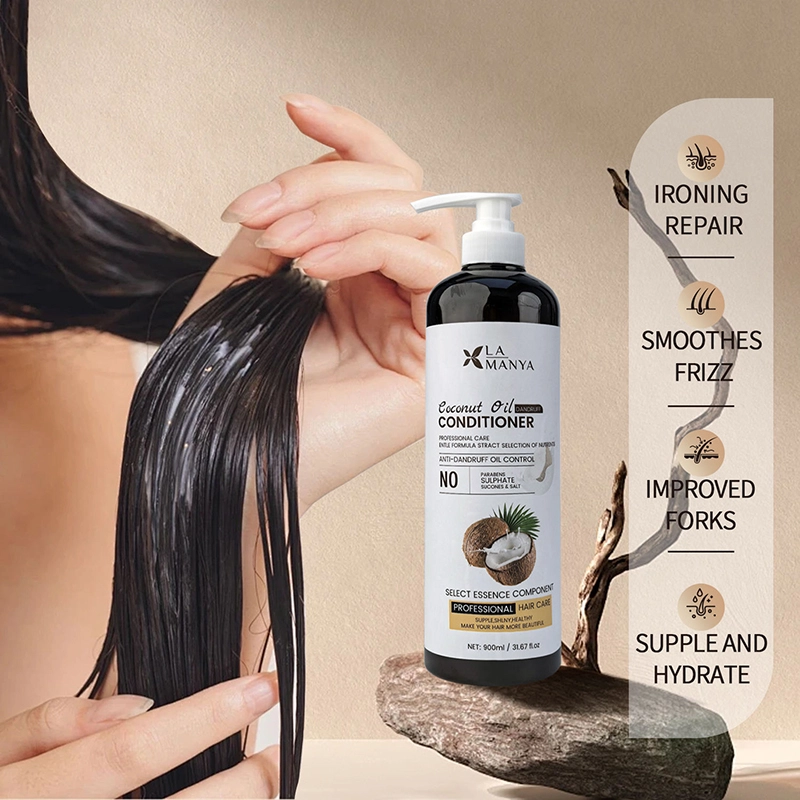
Packaging costs vary dramatically by material choice. A standard PET bottle with a screw cap costs approximately $0.12-$0.35 per unit, while airless pump bottles or customized glass packaging can reach $0.80-$2.50 per unit. When comparing supplier quotes, ensure the pricing specifies whether the quote includes primary packaging, secondary packaging, and shrink wrapping. Hidden packaging surcharges are one of the most common reasons why the final invoice exceeds the quoted amount from a supplier.
4. Labor and Overhead (10-15%)
GMPC-certified facilities in Guangzhou maintain overhead costs approximately 30-40% lower than equivalent European factories, while matching ISO 22716 and FDA standards. Our 100+ production lines operate at 500,000 units daily capacity, enabling cost-efficient batch processing that benefits buyers through volume-based tiered structures. Labor efficiency is a significant differentiator among competing suppliers.
5. Compliance and Testing (5-8%)
Third-party safety testing, stability testing, and microbiological analysis are non-negotiable for professional distribution. Reputable manufacturers include basic testing costs in the unit price. A transparent quote will clearly indicate which certifications — MSDS, COA, allergen statements — are included versus billed separately. Buyers should request a sample testing protocol before committing to a large production run.
How Tiered Pricing Works in Practice
Manufacturers apply volume-based tiered pricing to reward larger orders. A typical structure for shampoo manufacturing looks like this:
- 1,000-3,000 units: Base price (100%)
- 3,001-10,000 units: 8-12% discount from base
- 10,001-50,000 units: 15-20% discount from base
- 50,000+ units: 22-30% discount, custom negotiation
This graduated structure means that any given price is always relative to order quantity. Buyers should request pricing at multiple volume tiers before making comparisons between suppliers. A manufacturer that provides a single flat price rather than tiered options may lack the production flexibility needed for scaling.
Red Flags When Evaluating Supplier Pricing
From our experience working with international buyers, we have identified several warning signs in supplier quotations:
- Unusually low base pricing — often indicates substandard raw materials or unregistered manufacturing conditions. Compare against at least three market quotes to establish a realistic baseline.
- Hidden tooling fees — some suppliers quote attractive unit prices but add $500-$3,000 in undisclosed mold costs. Request a full cost breakdown in writing before signing.
- Vague ingredient specifications — a professional quotation includes INCI names and concentration ranges for all active ingredients. Generic descriptions like “proprietary blend” should raise questions.
- No MOQ flexibility — legitimate manufacturers offer graduated MOQ options starting at 3,000-5,000 units per SKU, with discussed options for trial runs.
Comparing Quotes Across Multiple Suppliers
To evaluate competing quotations effectively, create a standardized comparison sheet with these columns:
- Formula type — standard stock formula, semi-custom modification, or fully exclusive custom formulation
- Packaging included — bottle, cap, label, carton, or just filling service
- MOQ per SKU — the minimum first order volume, ideally with tiered options
- Lead time
- Testing included — stability, challenge test, microbiological, compatibility
- Payment terms — T/T deposit percentage, L/C availability, net terms
When you request a hair care product manufacturer price list, insist on these details in writing. A manufacturer that provides transparent, itemized pricing demonstrates confidence in their production capabilities. One that avoids specific answers may be masking cost disadvantages or quality compromises.
Case Example: Launching a Mid-Range Shampoo Line
A European buyer recently approached us to produce a mid-range sulfate-free shampoo with biotin and argan oil. The initial quote showed $2.85/unit at 5,000 units. By moving to 10,000 units, the price dropped to $2.48/unit — a 13% reduction. The buyer opted for standard 250ml PET bottles instead of custom molds, saving an additional $0.30/unit. Total landed cost: $2.18/unit, well within their target margin.
This real example illustrates why understanding each cost component matters. The lowest initial price quote from a different supplier was $1.95/unit — but after adding required third-party certification costs ($0.45/unit) and a $2,000 mold fee amortized over 5,000 units ($0.40/unit), the actual cost reached $2.80/unit. That is significantly higher than our transparently priced alternative, which had no hidden fees and included basic compliance testing in the base price.
Understanding Payment Terms and Incoterms
Payment terms directly affect the total cost of procurement. Most Chinese manufacturers quote EXW (Ex Works) or FOB (Free On Board) Guangzhou port pricing. FOB is the most common Incoterm for international buyers because it includes factory-to-port transportation and export customs clearance. Shipping costs, marine insurance, and import duties are quoted separately.
Standard payment terms in the industry are 30% deposit with order and 70% balance before shipment. Established manufacturers with long trading histories may offer 30/70 with the balance against a copy of shipping documents. Negotiating payment terms is often easier when ordering higher volumes from a single hair care product manufacturer price list.
FAQ: Understanding Manufacturer Pricing
What is the typical MOQ for a private label hair care manufacturer?
Most GMPC-certified manufacturers in Guangzhou offer MOQs between 3,000 and 5,000 units per SKU for liquid products. Some suppliers offer 1,000-unit MOQs for stock formulas. Our facility provides flexible MOQ options starting at 3,000 units per SKU, with tiered pricing extending up to 50,000+ units. Lower MOQs typically command higher per-unit pricing.
Why do prices vary so much between different manufacturers?
Price differences stem from raw material sourcing (domestic vs. imported ingredients), manufacturing certifications (GMPC, ISO 22716, FDA compliance), packaging quality, and included services (formulation development, stability testing, regulatory documentation). A lower-priced quotation typically excludes these value-added services. Always compare like-for-like scope when evaluating multiple suppliers.
Are formulation costs included in the manufacturer’s pricing?
This varies by supplier. Many manufacturers include standard formulation at no extra cost for orders above 5,000 units. Custom formulation with exclusive rights typically carries a development fee of $500-$3,000, which may be waived for larger production commitments. Review the scope of formulation work included before comparing unit prices.
How can I verify that pricing reflects true production costs?
Request a detailed cost breakdown: raw materials (by percentage), packaging (itemized by component), labor, testing, and logistics. Compare the breakdown across three suppliers. Consistent pricing across multiple manufacturers indicates realistic cost structures. Outlier pricing — either very high or very low — warrants further investigation before committing to production.
Do manufacturer prices include international shipping?
Most Chinese manufacturers quote EXW (Ex Works) or FOB (Free on Board) pricing. FOB Guangzhou port is the most common Incoterm for international buyers. Shipping costs, insurance, and import duties are separate line items. Always confirm which Incoterm applies before comparing quotations across suppliers.
Conclusion: Making Informed Procurement Decisions
A supplier pricing document is more than a spreadsheet of numbers — it is a reflection of operational efficiency, raw material procurement strategy, and commitment to transparency. By understanding the five cost components, evaluating tiered pricing structures, and requesting itemized breakdowns, procurement professionals can identify the manufacturer that offers the best value rather than simply the lowest unit price.
Guangzhou Shampoo Factory combines 16 years of OEM/ODM experience with 5,000+ proven formulations across 100+ production lines. Our pricing is transparent, volume-flexible, and inclusive of standard compliance testing.
Contact us today to request free samples and a customized quotation for your next hair care product line.