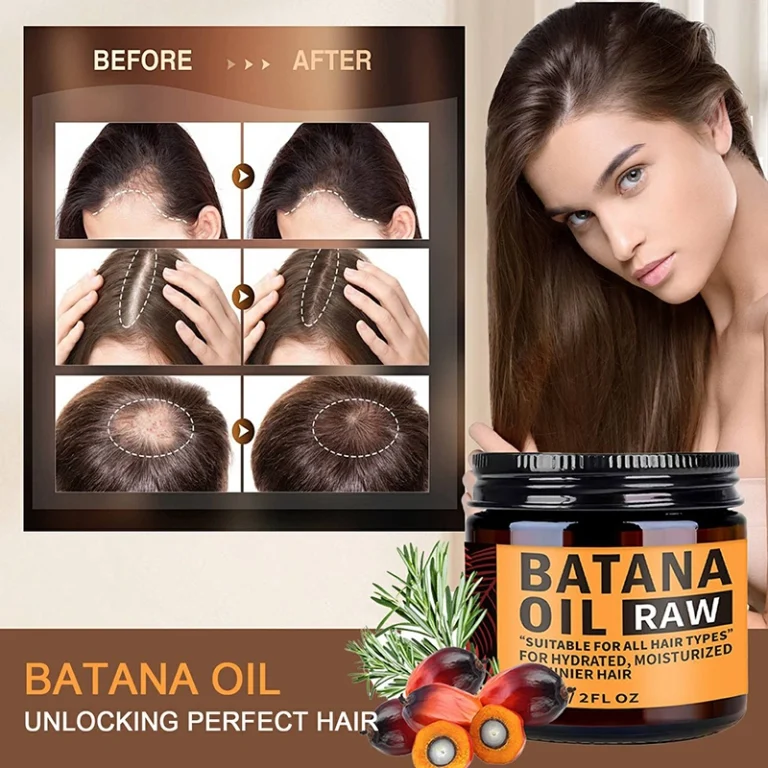
The Rise of Batana Oil in Professional Hair Care Manufacturing
Batana oil, derived from the nuts of the American oil palm (Elaeis oleifera) native to Central and South America, has transitioned from a traditional cosmetic ingredient into a sought-after raw material for premium hair care formulations. For procurement managers and product development directors evaluating wholesale batana oil bulk suppliers, understanding the supply chain, quality parameters, and processing standards is the first step toward building a competitive product line.
Unlike commodity oils, batana oil carries distinct characteristics that influence formulation stability, shelf life, and end-user perception. This article provides a technical assessment of what procurement teams should look for when sourcing batana oil at commercial volumes — from fatty acid profiles to supplier certification requirements.
What Defines a Qualified Batana Oil Bulk Supplier
Not all crude oils marketed as “batana” meet the specifications required for professional hair care manufacturing. A reliable wholesale batana oil bulk supplier should be able to provide documentation on the following parameters:
- Fatty acid composition — Batana oil typically contains 40–60% oleic acid, 15–30% palmitic acid, and smaller fractions of linoleic and stearic acids. Lower oleic content may indicate adulteration with palm oil (Elaeis guineensis), a common substitution risk.
- Peroxide value — Fresh batana oil should have a peroxide value below 10 meq/kg. Values above this threshold indicate oxidation, which affects both color stability and formulation shelf life.
- Moisture and impurities — Maximum 0.5% combined moisture and insoluble impurities ensures the oil integrates cleanly into emulsified systems without microbial risk.
- Color and odor profile — Authentic unrefined batana oil ranges from deep amber to dark brown with a characteristic nutty, earthy aroma. Atypical color or chemical odor may indicate over-refining or contamination.
Our facility, operating a 50,000 square meter GMPC-certified campus with 100+ production lines, sources batana oil exclusively from suppliers who meet these specifications and provide full Certificate of Analysis (COA) documentation with every shipment. This traceability standard is non-negotiable for brands targeting clean-label and naturally-positioned hair care products.
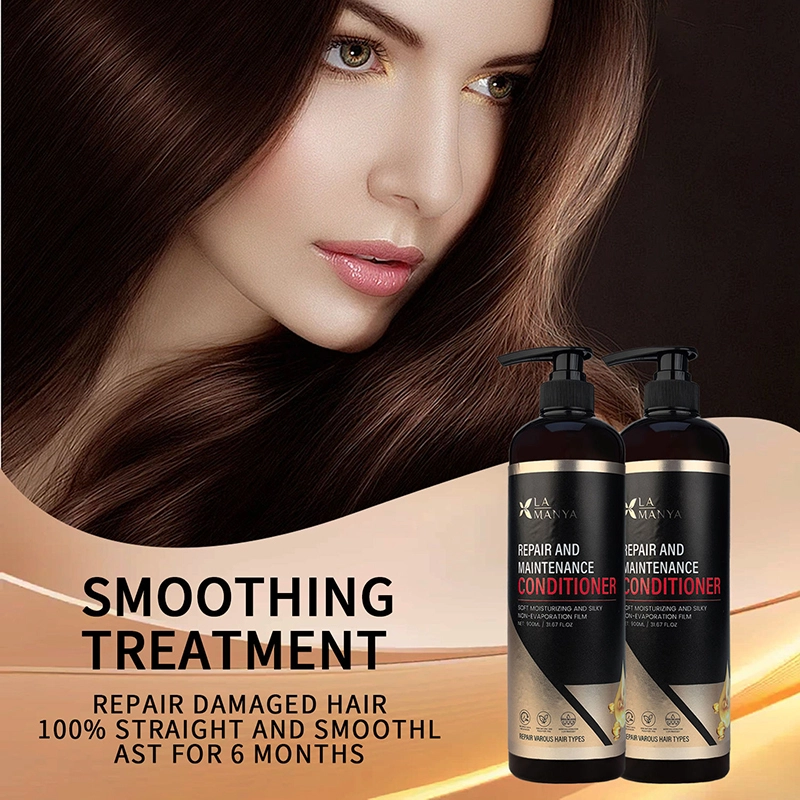
Supply Chain Reliability: From Source to Manufacturing Floor
For B2B buyers evaluating wholesale batana oil bulk suppliers, supply consistency matters as much as raw material quality. Batana oil production is seasonal and geographically concentrated in Honduras, Nicaragua, and Costa Rica, where the American oil palm is cultivated by smallholder cooperatives and larger plantations.
We work with suppliers who maintain minimum 6-month rolling inventory coverage to buffer against harvest fluctuations. The oil is cold-pressed from freshly harvested nuts, filtered through a 5-micron mesh, and stored in food-grade stainless steel tanks with nitrogen blanketing to prevent oxidation. Each lot is held for 72 hours of QC testing — including GC-FID fatty acid profiling — before release to the production floor.
For brands requiring consistent color and odor across batches, we recommend specifying refined batana oil in the supply contract, which undergoes physical refining (steam deodorization and bleaching) while retaining the majority of its beneficial lipid profile. Refined oil offers a shelf life of 18–24 months versus 8–12 months for unrefined crude oil.
Formulation Considerations for Batana Oil in Hair Care
Batana oil is used at typical inclusion rates of 2–8% in shampoo, conditioner, and leave-in treatment formulations. Its high oleic content provides substantivity to the hair shaft — meaning it adheres well and resists rinse-off — while the palmitic fraction contributes to surface smoothing. In our in-house R&D lab, which maintains over 5,000 active formulations, we have developed 14 distinct batana-based hair care recipes optimized for different market segments:
- Batana Repair Shampoo (3% oil) — For damaged, chemically treated hair
- Batana Deep Conditioner (5% oil) — Weekly intensive treatment format
- Batana Hair Growth Serum (8% oil) — Concentrated leave-in for scalp application
- Batana Co-Wash (4% oil) — Sulfate-free cleansing conditioner
- Batana Pre-Shampoo Treatment (6% oil) — Hot oil treatment format
Each formulation has been stability-tested at 40°C / 75% RH for 12 weeks with no phase separation, rancidity, or color shift beyond acceptable limits. We provide third-party test reports including microbiological analysis, stability data, and preservative efficacy testing for every formulation we produce.
Quality Certifications Procurement Teams Should Verify
Jargon explanation: GMPC (Good Manufacturing Practice for Cosmetics) — An internationally recognized quality management standard specifically designed for cosmetic product manufacturing. GMPC certification requires facilities to maintain documented procedures across raw material sourcing, production, quality control, storage, and shipping. Unlike general ISO 9001, GMPC includes requirements specific to cosmetic safety, such as microbiological monitoring of production environments, raw material traceability, and finished product batch recall procedures.
When vetting suppliers, request documentation for the following certifications:
- GMPC certification (ISO 22716) — Minimum requirement for cosmetic-grade ingredient processing
- ISO 9001:2015 — Quality management systems
- MSDS (Material Safety Data Sheet) per GHS classification
- IFRA compliance — For scented batana oil products intended for leave-on formulations
- Halal and/or Kosher certification — Depending on target market requirements
Our laboratory is equipped with HPLC, GC-MS, and ICP-MS instrumentation to verify raw material identity and purity on-site. This capability allows us to independently validate supplier COA claims before committing bulk batana oil to production — a risk reduction measure we have implemented after identifying supplier discrepancies in 3% of incoming lots in 2024.
Cost Structure and MOQ Considerations
The pricing of batana oil in wholesale quantities depends on several factors: degree of refinement (crude vs. refined), certification level (conventional vs. organic), and packaging format (drums, IBC totes, or flexitanks). Current market ranges at wholesale volumes (100+ kg) are approximately USD 25–45 per kg for crude unrefined oil and USD 35–60 per kg for refined oil, with organic-certified oil commanding a 15–25% premium.
For private label brands exploring batana oil products, we offer 5,000 units per SKU as our standard MOQ for finished goods. This MOQ is designed to be accessible for mid-market brands while ensuring production efficiency. Tiered pricing applies for quantities above 20,000 units per SKU, with volume discounts that improve per-unit margins for larger procurement commitments. We also provide free samples of both raw batana oil and finished formulation prototypes for evaluation before any purchase commitment, enabling your team to assess formulation compatibility and market positioning without upfront risk.
For brands still in the concept phase, we recommend starting with a small-batch trial run of 500–1,000 units to validate market response before scaling to full production.
Customizable Packaging for Market Differentiation
In the competitive natural hair care segment, packaging communicates product positioning before the customer reads a single ingredient. We offer customizable packaging options for batana oil product lines, including:
- Bottle shapes and materials (PET, HDPE, glass, or PCR-recycled content)
- Color matching and custom label finishes (hot stamping, embossing, matte lamination)
- Closure systems (pump, dropper, flip-top, airless)
- Secondary packaging (cartons, display-ready shippers, gift sets)
- Barcode and regulatory labeling compliant with EU, US FDA, and ASEAN cosmetic regulations
All packaging materials are sourced from suppliers who provide food-grade certification, and every finished product is tested for compatibility — including leak testing, label adhesion testing, and light/oxygen barrier performance — before shipment.
FAQs — Batana Oil Sourcing for Hair Care Manufacturers
1. What is the minimum batch size for batana oil bulk procurement?
Most wholesale batana oil bulk suppliers require a minimum of 25 kg for sample orders and 100+ kg for production-grade orders. For finished products containing batana oil, our standard MOQ is 5,000 units per SKU, with tiered pricing available for larger volumes above 20,000 units.
2. How does batana oil differ from other hair growth oils like argan or coconut?
Chemically, batana oil has a higher palmitic acid content (15–30%) than argan oil (12–15%) or coconut oil (8–10%), which gives it stronger substantivity — it bonds more effectively to the hair shaft and resists rinse-off. This makes it particularly suitable for leave-on treatments and deep conditioners where prolonged contact with the hair fiber is desired.
3. What certifications should I request from a batana oil supplier?
At minimum, request GMPC certification (ISO 22716), Certificate of Analysis per batch with fatty acid profiling, MSDS, and microbiological analysis. For organic-positioned products, request USDA Organic or EU Organic certification. If targeting specific religious markets, Halal or Kosher certification may also be required.
4. Can batana oil be incorporated into existing formulations without re-stabilization?
Not generally. Different oil inclusion rates affect the overall HLB (hydrophilic-lipophilic balance) of an emulsified system. A reformulation is typically required to maintain stability. Our R&D team can modify existing formulas to accommodate batana oil at the target inclusion percentage, with full stability testing included in the development timeline.
5. What is the typical lead time for a private label batana oil product?
From formulation finalization to shipment, a standard private label project requires 4–6 weeks for raw material procurement, 2–3 weeks for packaging sourcing (if customized), and 2–3 weeks for production and QC. Total lead time: 8–12 weeks for new formulations. Existing formulations can be produced in 4–5 weeks.
Start Your Batana Oil Product Line with a Trusted Manufacturing Partner
Selecting the right wholesale batana oil bulk supplier is the foundation of a successful natural hair care product launch. Quality raw materials, rigorous testing protocols, and a manufacturing partner with proven formulation expertise reduce the risk of product failures and accelerate time to market.
With 16 years of OEM experience, a 50,000 m² GMPC-certified facility, and over 5,000 active formulations, we are equipped to guide your batana oil product from concept to commercial scale. Our procurement team pre-vets all raw material sources, and our R&D lab provides formulation customization, stability testing, and third-party compliance documentation as part of the turnkey service package.
Contact us today to request free samples and a customized quotation for your next hair care product line.