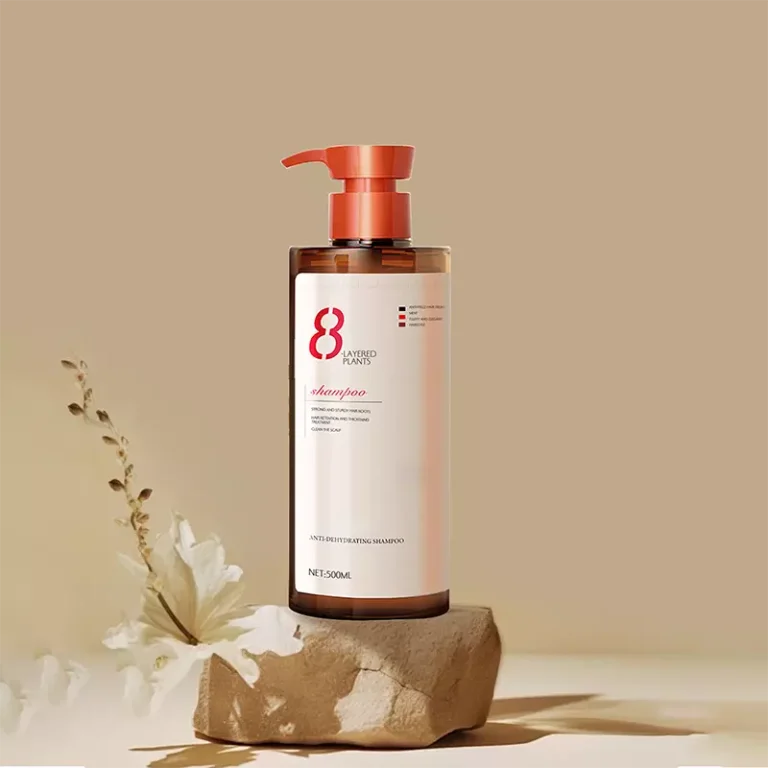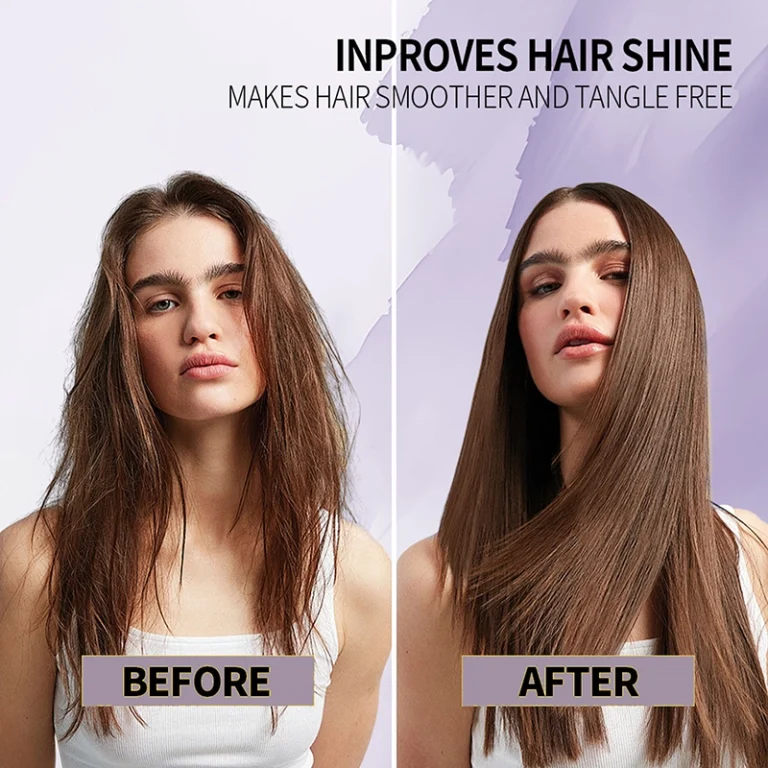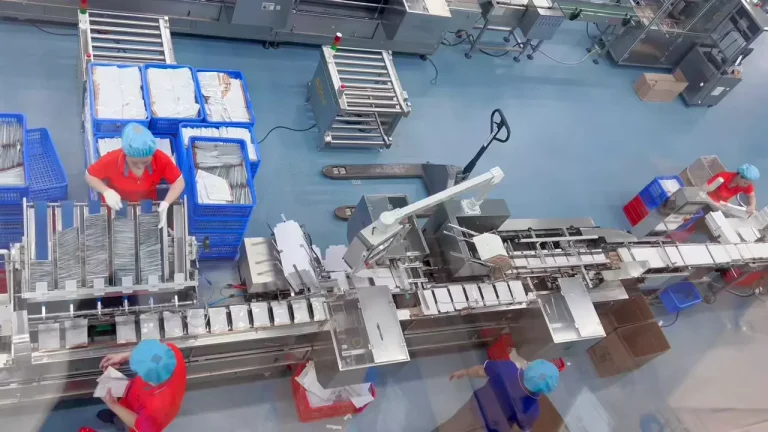
In the rapidly growing personal care market, building a successful brand relies on high-quality products. Whether you are a startup, an e-commerce seller, or an established enterprise looking to expand your product line, finding a capable and consistent hair and body care manufacturer (OEM/ODM) is a crucial step toward success.
This article provides a comprehensive overview of the core advantages of personal care manufacturing, the criteria for selecting a premium factory, and the complete customization process to help you launch your project quickly and efficiently.
Why Partner with a Professional Manufacturer?
Working with a source factory for Private Label or Custom Formulation of hair and body care products offers significant competitive advantages for brand owners:
- Lower R&D and Production Barriers: There is no need to invest heavily in building cleanrooms or purchasing filling equipment. You can directly share the factory’s mature production lines and top-tier R&D engineers.
- Flexible Minimum Order Quantities (MOQ): Many modern manufacturers offer flexible, low MOQ support, helping new brands test market responses with lower trial-and-error costs.
- Advanced Formulation Support: Professional manufacturers keep up with global market trends (e.g., pure plant extracts, scalp microbiome care, silicone-free formulas), offering market-tested mature formulas or deep customization.
- Compliance and Certification Guarantees: Factories with international certifications ensure your products meet strict export standards of various countries, allowing for smooth global distribution.
Core Selection Criteria for Premium OEM/ODM Factories
When evaluating potential manufacturing partners, it is recommended to assess them from the following core dimensions:
1. International Qualifications & Quality Systems
A qualified export-grade manufacturer must have a flawless quality management system. Look for production bases with dual GMPC and ISO 22716 certifications. This not only represents the hardware strength of a Class 100,000 or even Class 10,000 dust-free purification workshop but also serves as the basic entry threshold for products to smoothly enter high-end markets like Europe and the US.
2. Strong R&D Capabilities
The core of hair and body care products lies in skin feel, foaming ability, cleansing power, and fragrance experience. An excellent manufacturer should have an independent R&D laboratory capable of providing targeted solutions for different hair types (e.g., dry/damaged, oily/hair loss) and skin types, as well as supporting custom signature fragrances.
3. Supply Chain Stability and Delivery Speed
From raw material procurement and packaging customization to finished product filling, the factory’s supply chain integration ability determines your product’s time-to-market. Efficient factories typically offer “one-stop” services from design and sampling to mass production, ensuring large orders are delivered on time.
The Complete OEM/ODM Manufacturing Process
Partnering with a personal care manufacturer generally involves the following standardized steps:
- Requirement Communication: Define product positioning, target audience, functional claims (e.g., anti-dandruff, oil control, moisturizing), and target costs.
- Formula Sampling: The laboratory prepares samples based on requirements. The brand owner tests them and provides feedback until the final formula is confirmed.
- Packaging Confirmation: Confirm bottle shapes, pump heads, labels, and outer packaging designs, and conduct compatibility tests between the packaging and the bulk liquid.
- Contracting & Regulatory Compliance: Confirm the order quantity (MOQ), sign the manufacturing agreement, and have the factory assist with cosmetics registration as required by local regulations.
- Mass Production: Raw material inspection and warehousing, emulsification manufacturing, resting, and fully automated filling and packaging.
- Quality Control & Shipping: After passing strict microbiological and physicochemical index tests, the products are boxed and shipped to the designated warehouse.
Frequently Asked Questions (FAQ)
Q1: What is the typical Minimum Order Quantity (MOQ) for personal care manufacturing? MOQs vary depending on the factory scale and product type. Generally, the industry standard MOQ for regular bottled shampoo or body wash is around 3,000 to 5,000 bottles. However, to support new brands, some factories offer trial order solutions with MOQs as low as 1,000 bottles or even lower, depending on the difficulty of procuring the packaging.
Q2: What is the difference between OEM and ODM?
- OEM (Original Equipment Manufacturer): You provide the formula or specific product standards, and the factory is only responsible for production and filling (Private Labeling).
- ODM (Original Design Manufacturer): The factory provides a one-stop service from formula R&D and testing to production and packaging design. For brands without their own formulation engineers, ODM is the most efficient choice.
Q3: How long does it take from formula confirmation to bulk delivery? If you are using the factory’s mature formula and the packaging is ready, the production cycle is typically 15-20 days. If it’s a brand-new custom formula requiring new custom packaging, the entire cycle (including sampling, testing, and production) takes about 35-45 days.
Q4: Can the manufacturer assist with customs clearance documents and certifications for export? Professional export-oriented manufacturers have extensive overseas compliance experience. They can provide Material Safety Data Sheets (MSDS), Certificates of Analysis (COA), and relevant GMPC/ISO qualification certificates to assist clients in smoothly completing customs clearance and regulatory registration in the destination sales region.
Q5: Can I supply my own packaging and only have the factory fill the liquid? Yes. Most manufacturers support “customer-supplied packaging.” However, before mass production, it is highly recommended to send the packaging to the factory laboratory for compatibility and sealing tests to avoid risks of leakage or liquid deterioration during the production process

Recommended Trending Custom Categories
Currently, the most in-demand categories for personal care manufacturing include:
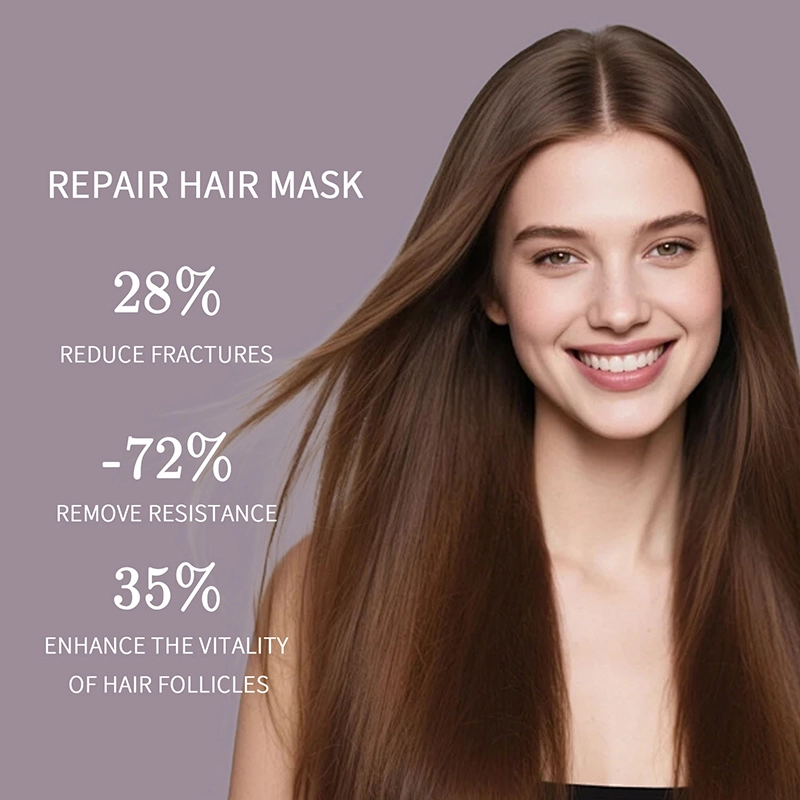
- Hair Care: Amino acid shampoo, anti-hair loss and strengthening serum, natural botanical hair dye, deep repair hair mask, hair oil.
- Body Care: Niacinamide brightening body wash, AHA body scrub, botanical essential oil body lotion, gentle intimate wash.
For the full picture on this category, start with Shampoo OEM Manufacturer China: 2026 Sourcing Checklist.
Adjacent briefs worth reading together: How to Choose a Reliable Hair Care Manufacturer? The Ultimate 2026 Guide to OEM/ODM & , Finding a Top Hair Care Manufacturer: How Brands Choose a Reliable OEM/ODM Partner, How to Choose the Best OEM Shampoo Factory for Your Hair Care Brand.
If you are comparing what a factory already produces, review our existing shampoo and scalp care formulations.