Dry shampoo has become a staple category across retail and professional hair care channels. For procurement managers and brand owners evaluating white-label opportunities, understanding the manufacturing landscape, formulation science, and supply chain dynamics of private label dry shampoo wholesale is essential before committing to a production partnership.
The global dry shampoo market was valued at approximately USD 1.2 billion in 2025 and continues growing as consumer habits shift toward waterless cleansing. This growth creates opportunity for brands entering the category with differentiated products. Success depends on selecting a private label dry shampoo wholesale partner with proven expertise in aerosol and powder formulation, regulatory compliance, and scalable production.
Understanding Private Label Dry Shampoo Wholesale Options
Private label dry shampoo wholesale allows retailers, salon chains, and emerging beauty brands to bring dry shampoo to market under their own brand name without investing in formulation R&D or manufacturing infrastructure. When you partner with an established OEM manufacturer for private label dry shampoo wholesale, you gain access to proven formulations, existing production capacity, and packaging options that would otherwise require significant capital investment.
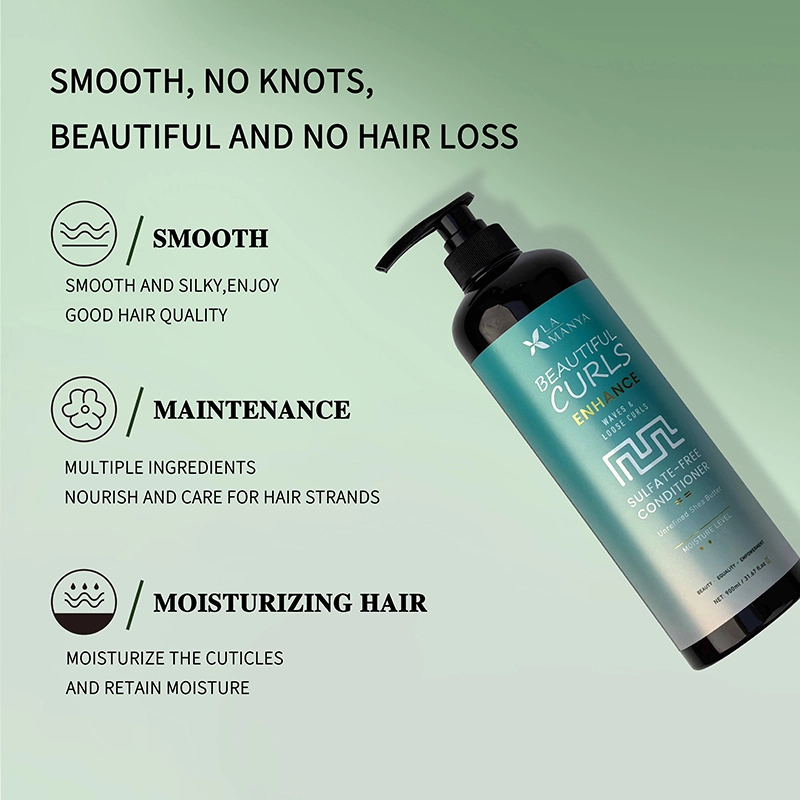
We have observed that buyers often underestimate the technical complexity behind aerosol dry shampoo products. Formulation requires precise control over powder particle size, propellant ratios, and dispersion mechanisms. A poorly formulated private label dry shampoo wholesale product can leave visible white residue, fail to absorb oil effectively, or deliver inconsistent spray patterns. These quality issues directly impact shelf performance and consumer satisfaction.
Key Formulation Considerations
When sourcing private label dry shampoo wholesale, procurement professionals should evaluate manufacturers based on formulation capabilities across three primary delivery formats.
Aerosol Dry Shampoo — This format accounts for approximately 65% of retail dry shampoo sales. Aerosol formulations typically use rice starch, tapioca starch, or silica as the primary absorbent, combined with a hydrocarbon propellant. The formulation must balance oil absorption capacity with ease of brushing out. We recommend partners who can offer both scented and fragrance-free options within their private label dry shampoo wholesale catalog.
Powder Dry Shampoo — This non-aerosol format appeals to consumers seeking cleaner ingredient profiles and travel-friendly packaging. Formulations use similar absorbent bases with different dispensing mechanisms such as shaker bottles or puff applications. This format is particularly popular in the natural segment and should be part of any comprehensive private label dry shampoo wholesale offering.
Foam Dry Shampoo — A newer format that delivers cleansing agents in a foam base, offering a wetter application. This format requires emulsion-stabilizing technology and represents an opportunity for brands to differentiate their private label dry shampoo wholesale product line.
Quality Standards and Compliance
Procurement managers evaluating private label dry shampoo wholesale partners must verify that the manufacturer maintains current GMPC certification and provides third-party test reports for each production batch. Aerosol products carry additional regulatory considerations due to propellant handling and pressure vessel classification. Manufacturers offering private label dry shampoo wholesale to different regions must comply with varying regulations — the EU Cosmetics Regulation (EC 1223/2009), FDA requirements in the United States, and NMPA registration in China.
We maintain all relevant certifications and can provide complete documentation for international regulatory submissions. Our testing protocols include stability testing under accelerated conditions, microbiological analysis, heavy metal screening, and propellant integrity verification. Every production batch undergoes these checks before shipment.
Production Capacity and MOQ Structures
A central consideration for any private label dry shampoo wholesale agreement is the minimum order quantity. For entry-level brands testing a new category, high MOQs can represent unacceptable inventory risk. Established manufacturers offering private label dry shampoo wholesale typically provide tiered pricing that makes smaller initial runs viable while rewarding volume growth.
Our standard MOQ for private label dry shampoo wholesale is 5,000 units per SKU for initial orders, with tiered pricing at 10,000, 20,000, and 50,000+ unit thresholds. This structure allows brand owners to validate their positioning before scaling. For partners requiring lower initial quantities, we offer sample-run programs at 2,000 units per SKU under specific terms.
Packaging Options and Customization
Manufacturers providing private label dry shampoo wholesale should offer multiple packaging tiers. Standard aerosol cans with full-wrap labeling and over-cap color matching represent the most cost-effective entry point, supporting turnaround of 25–30 business days from formula confirmation. Custom aerosol shapes that differentiate the product visually require longer lead times but create stronger shelf presence for private label dry shampoo wholesale brands.
Specialty packaging options including matte finishes, soft-touch coatings, and metallic accents add 12–18% to unit packaging cost but can justify premium retail pricing of 25–40% above standard-positioned competitors in the private label dry shampoo wholesale market.
Market Positioning Strategies
Procurement professionals should work with their private label dry shampoo wholesale partner to identify positioning angles. Current segments include volume and texture focus aimed at fine-hair consumers, scalp health formulations incorporating soothing ingredients, professional stylist-endorsed products with higher-concentration formulations, and color-safe dry shampoos tested on treated hair with translucent powders that do not alter tone.
Color-safe formulations represent the fastest-growing subsegment in private label dry shampoo wholesale, driven by the expanding color-care market. We recommend that brand owners entering this space prioritize this segment for differentiation.
Cost Analysis for Buyers
When calculating landed cost for private label dry shampoo wholesale from a Guangzhou-based manufacturer, procurement managers should account for FOB pricing — typically USD 1.20–2.80 per unit for standard aerosol dry shampoo depending on volume, can specification, and cap type. Powder formats in a private label dry shampoo wholesale arrangement typically range from USD 0.80–1.50 per unit.
Shipping incoterms available include FOB Guangzhou, CIF major ports, or DDP for established partners. Dry shampoo typically falls under HS code 3305.90. Tariff rates vary by destination, and our compliance team provides classification documentation with every private label dry shampoo wholesale shipment.
Terminology Explained
MOQ (Minimum Order Quantity) — This term refers to the lowest quantity a manufacturer will produce in a single production run. In private label dry shampoo wholesale, MOQ is typically based on units per SKU rather than total units across multiple products. A lower MOQ reduces inventory risk but often comes at a higher per-unit cost. Understanding MOQ structures helps procurement managers align launch quantities with budget and storage capacity.
Frequently Asked Questions
What is the typical lead time for private label dry shampoo production?
Standard lead time ranges from 25 to 35 business days after formulation confirmation and deposit. Custom packaging options may extend this to 50–60 business days. We can accommodate expedited orders at a 12% premium when production capacity allows within our private label dry shampoo wholesale schedule.
Can I use my own formula for private label dry shampoo?
Yes. We offer contract manufacturing services where brand owners supply their own formula for production. Our R&D team reviews customer formulas for stability, compatibility with propellant systems, and regulatory compliance before production. For brands without a proprietary formula, we offer 50+ pre-existing formulations suitable for private label programs.
How do I ensure consistent quality across production batches?
We maintain ISO 22716 (GMPC) certified production facilities with in-process quality checks at every stage. Each private label dry shampoo wholesale batch receives a Certificate of Analysis with test results for viscosity, pH, particle size distribution, propellant content, and microbiological limits. Clients are welcome to arrange third-party inspections at our factory.
Is dry shampoo considered flammable for international shipping?
Aerosol dry shampoo containing hydrocarbon propellant is classified as a Class 2.1 flammable aerosol for shipping purposes. This classification adds specific labeling and documentation requirements but does not prevent international transport for private label dry shampoo wholesale shipments. We handle all dangerous goods documentation and have relationships with carriers experienced in aerosol logistics.
What packaging customization is possible for private label dry shampoo?
Options include custom can shapes and sizes from 50ml to 300ml, full-wrap shrink sleeves or litho-printed cans, custom cap colors and shapes, matte or gloss finishes, and multi-panel booklet labels. We produce any Pantone-matched color for caps and cans as part of our private label dry shampoo wholesale services.
Partner with an Experienced Dry Shampoo Manufacturer
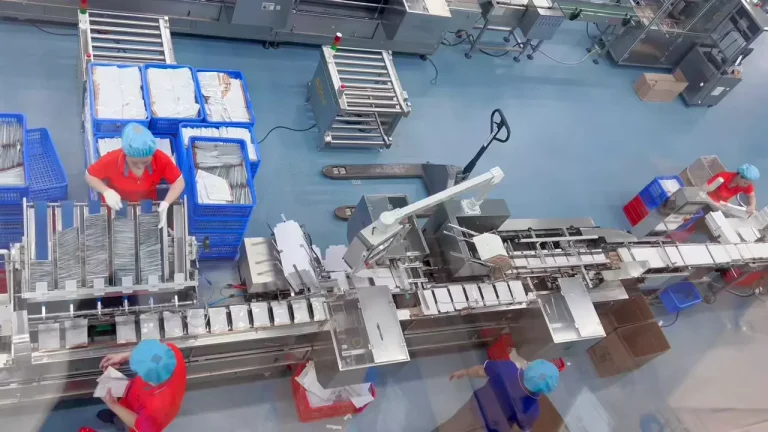
With 16 years of OEM experience, a 50,000 m² GMPC-certified facility, and over 5,000 active formulations, we have the production infrastructure and technical expertise to support your private label dry shampoo wholesale project. Our 100+ production lines and daily output capacity of 500,000 units ensure reliable supply as your brand scales.
Contact us today to request free samples and a customized quotation for your next hair care product line.
For the full picture on this category, start with Private Label Dry Shampoo: A Sourcing Guide for Procurement and Brand Teams.
Adjacent briefs worth reading together: China Dry Shampoo Market: A Procurement and Private Label Manufacturing Guide, Dry Shampoo Formulation Supplier: A Sourcing Guide for Procurement Teams, Private Label Invisible Dry Shampoo: A Procurement Guide for Brand Owners.
If you are comparing what a factory already produces, review our private label hair care product range.