Dry shampoo has moved from a travel convenience to a core shelf category, and brands entering it face one decision that shapes the entire project: which dry shampoo formulation supplier to work with. The supplier determines the absorbent system, the format, the filling line, the test file, and the timeline from concept to first shipment. This guide walks procurement decision-makers through what to specify, what to audit, and what to document when evaluating suppliers for a private label or contract manufacturing program.
Why the Formulation Supplier Decision Comes First
A dry shampoo formulation supplier does more than fill containers. It owns the base formula, sources and qualifies raw materials, runs stability and microbiology testing, scales the batch from laboratory to production, and issues the documentation that lets your brand sell across borders. When you engage a dry shampoo formulation supplier, you are buying a development pipeline rather than a single batch. The same partner should be able to adjust the absorbent powder, change the fragrance, add a tint, and re-test the result without restarting the project from zero.
That capability matters commercially because dry shampoo is a repeat-purchase category. Once a formula is locked, every reorder depends on the factory reproducing it within specification. Buyers should therefore evaluate formulation depth, not just price per unit. A partner with a large formula library and in-house R&D can adapt an existing base quickly, while a trading company that outsources compounding adds risk and lead time to every change request.
What to Verify in a Dry Shampoo Formula
The functional core of any dry shampoo is the absorbent powder: starches such as tapioca, rice, or corn, and clays such as kaolin or bentonite, which bind sebum and refresh hair between washes. One term worth knowing in procurement conversations is INCI, the International Nomenclature of Cosmetic Ingredients. INCI is the standardized naming system used on ingredient labels worldwide, and it lets a buyer compare two suppliers on an equal basis. When a manufacturer sends you a formula, the INCI list is the first document to check: it tells you exactly which starches, clays, preservatives, and fragrance components are inside.
Beyond the ingredient list, evaluate particle size distribution, oil absorption capacity, and residue behavior on dark hair. A narrow, controlled particle size reduces the white cast consumers dislike, while an inconsistent powder causes clumping and uneven application. A qualified dry shampoo formulation supplier should share particle size data and oil absorption numbers as part of the sample package, along with the results of accelerated stability testing that covers moisture pickup, color shift, and performance over time.
Format and Filling: Powder versus Aerosol
The format decision changes the formula, the packaging, the filling line, and the testing plan. Powder dry shampoo, dispensed through a shaker or a pump, is lighter to ship and avoids propellant regulations. Aerosol dry shampoo delivers a fine, even mist and is the format many consumers expect from established brands, but it requires a propellant system, a sealed can, and filling equipment rated for pressurized lines. Confirm that your dry shampoo formulation supplier has the filling capability for the format you plan to launch before packaging is committed.
Each route carries a different cost per unit and lead time. Aerosol filling is typically contracted to lines with propellant handling capability, while powder filling is simpler to schedule. Request per-unit costs for both routes so the decision is made on data. For a focused launch, a single format with two sizes and three fragrances usually covers most retail programs and keeps the first order economical.

Manufacturing Capability and Scale
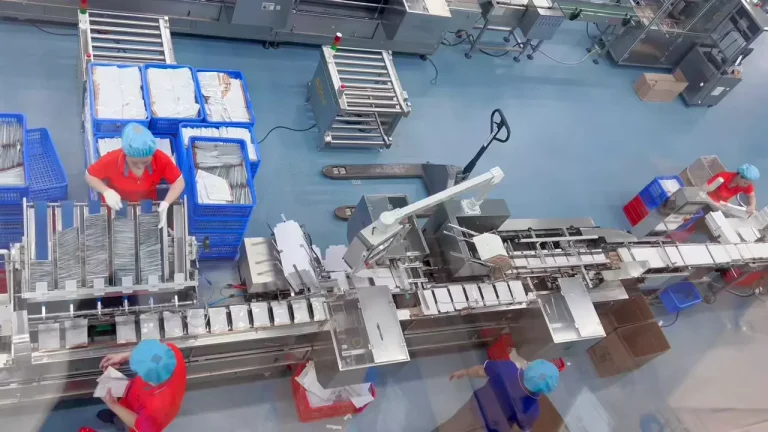
Formulation skill means little without production discipline. For dry shampoo, the critical capabilities are powder handling, dust control, filling accuracy, and batch traceability. Powder filling lines must be enclosed and cleaned between runs to prevent cross-contamination, and every batch should carry a number that traces back to the raw material lots. When evaluating a dry shampoo formulation supplier, ask for evidence of scale: facility area, number of production lines, daily output, and the size of the formulation library.
Our factory operates a 50,000 square meter GMPC facility in Guangzhou with more than 100 production lines and a daily output of 500,000 units, and our library holds over 5,000 formulas. We provide in-house R&D formulas, customizable packaging options, and third-party test reports as part of the standard project workflow, so the buyer does not have to assemble a separate testing chain. For aerosol projects, we confirm propellant handling and pressure-testing capability in writing before the purchase order is placed.
Testing, Documentation, and Market Compliance
Dry shampoo is a leave-in product, which raises the compliance bar compared with rinse-off shampoo. The finished formula should pass microbiological testing, heavy metals screening, and accelerated plus real-time stability testing. For aerosol formats, pressure, spray rate, and can integrity checks are additional requirements. Documentation matters as much as the tests themselves: request a batch-specific Certificate of Analysis, third-party test reports from an ISO 17025 accredited laboratory, and the safety file for your destination market.
A serious dry shampoo formulation supplier should treat documentation as part of the product. In the European Union, the product must be notified in CPNP with a Cosmetic Product Safety Report; in the United States, MoCRA requires facility registration and product listing. Claims such as “natural” or “scalp-friendly” also need substantiation, so the project file should connect each claim to a test result or an ingredient property. Our quality team compiles the full package and supports CPNP, FDA, and other market requirements as part of the turnkey service.
MOQ, Pricing, and How a Qualified Partner Operates
Minimum order quantities are the first question most buyers ask. Our standard MOQ is 5,000 pieces per SKU, with tiered pricing beginning above 20,000 pieces. That structure lets emerging brands start with a pilot run and scale with the same formula and packaging. Free samples are available for evaluation before commitment, and we sign NDAs before sharing formulation details, so the negotiation can be concrete without exposing your positioning.
One recent example: a European e-commerce brand approached us with a tinted powder dry shampoo concept for a sulfate-free, color-safe line. Our in-house R&D team locked the formula with a particle size specification, selected a tamper-evident shaker closure, ran the stability and microbiology panels, and delivered the first 5,000-piece batch in nine weeks, with CPNP notification files included in the handover. For buyers with existing channels, we also support mixed batch orders across SKUs and stock programs for repeat items, which reduces the need to carry large safety inventory.
Evaluation Checklist Before You Sign
Use this checklist when comparing candidates: request a sample formula with the full INCI list; ask for particle size and oil absorption data of the absorbent system; review a sample Certificate of Analysis and a third-party lab report; confirm the filling lines match your chosen format; verify batch traceability; and clarify who owns the formula after development. Confirm the MOQ and tiered pricing in writing, request free samples and a pilot batch, and confirm the timeline from formula freeze to first shipment.
Treat these as red flags: a supplier that cannot share stability data, offers only in-house test results without laboratory details, refuses to sign an NDA before formulation discussions, or cannot name the raw material sources for its starches and clays. A supplier that answers these questions with documents rather than promises is a supplier you can build a program with.
Powder, Spray and Liquid From the Same Plant
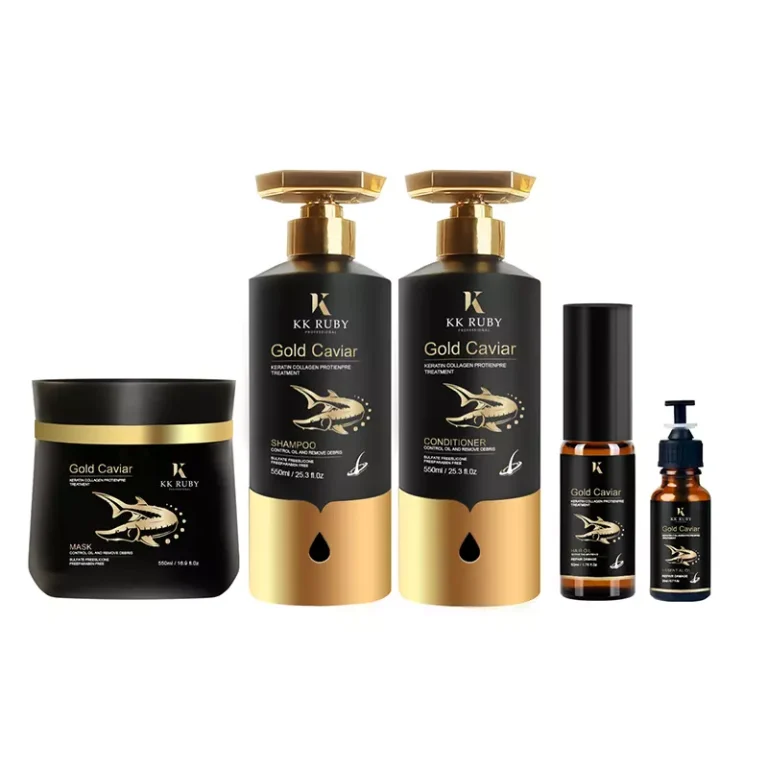
Formulation supply and finished-goods supply are separate decisions. Buyers who start with a formulation brief usually move to finished SKUs once the aerosol or powder specification is locked. When that transition happens, the liquid formats we fill most are Brazilian hydrolyzed protein shampoo set, olive oil nourishing shampoo set and curl defining shampoo set. Minimum order is 5,000 pcs per SKU with custom formula, fragrance and packaging, supplied on factory wholesale terms to B2B buyers only.
Frequently Asked Questions
1. What should I ask a dry shampoo formulation supplier before signing?
Ask for a sample formula with the full INCI list, particle size and oil absorption data, a sample Certificate of Analysis, a third-party lab report, and confirmation that the filling lines match your chosen format. Clarify the MOQ, tiered pricing, timeline, and who owns the formula after development before the purchase order is placed.
2. What is the difference between powder and aerosol dry shampoo manufacturing?
Powder formats are lighter to ship, avoid propellant regulations, and fill on simpler lines. Aerosol formats deliver a fine mist but require a propellant system, a sealed can, and pressurized filling equipment. Confirm which formats the factory can fill before you commit to a portfolio.
3. What tests are required for a dry shampoo launch?
At minimum, microbiological testing on the finished powder, heavy metals screening, and accelerated plus real-time stability testing. Aerosol formats add pressure, spray rate, and can integrity checks. Third-party reports from an ISO 17025 accredited laboratory are expected by most retail and regulatory partners.
4. How long does it take to develop and produce a dry shampoo formulation?
With a locked brief and an existing base formula, sampling typically takes two to four weeks, followed by stability testing and the first production run, for a total of roughly eight to twelve weeks. Aerosol formats can add time for filling line scheduling. Build the testing window into your launch plan.
5. What is the MOQ for a custom dry shampoo formulation?
Our standard MOQ is 5,000 pieces per SKU, with tiered pricing above 20,000 pieces. This applies to both powder and aerosol formats and includes the standard test battery, so a first order remains economical for a focused SKU launch.
Contact us today to request free samples and a customized quotation for your next hair care product line.
For the full picture on this category, start with Private Label Dry Shampoo: A Sourcing Guide for Procurement and Brand Teams.
Adjacent briefs worth reading together: Natural Dry Shampoo Formulation Manufacturer: A Procurement Guide to Sourcing and Verifica, Private Label Tinted Dry Shampoo: A Buyer’s Guide to Formulation, Shades, and Suppli, China Dry Shampoo Market: A Procurement and Private Label Manufacturing Guide.
If you are comparing what a factory already produces, review our private label hair care product range.