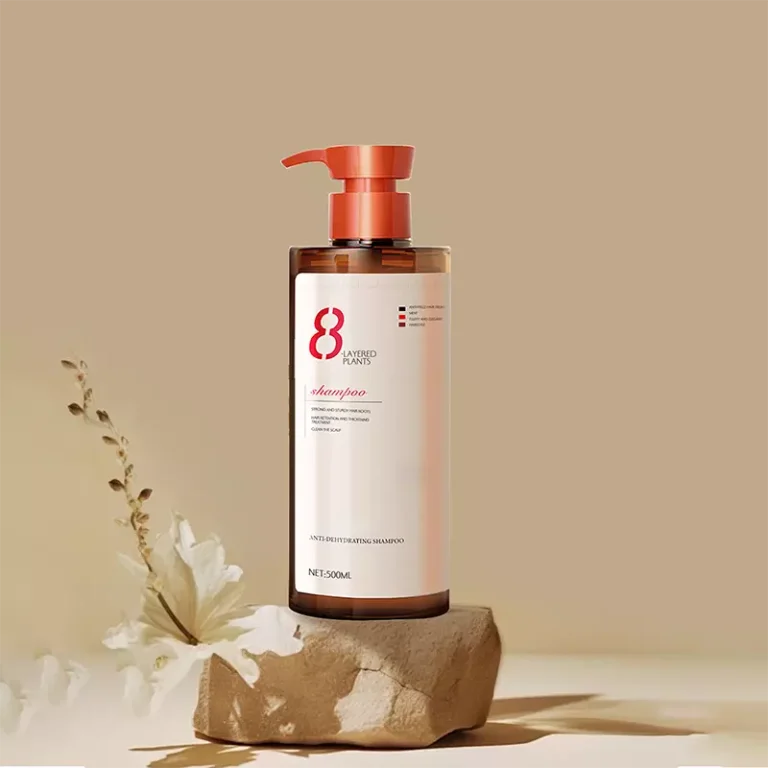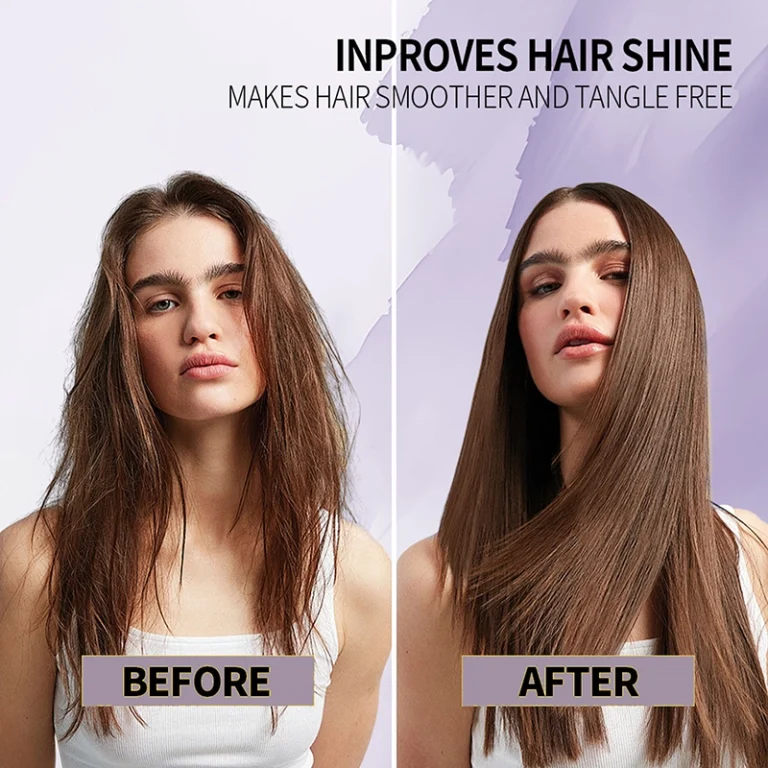
The beauty industry is booming, and for salon owners, wholesalers, and beauty brand founders, launching a custom hair care line is a highly lucrative move. However, the secret to a successful product line doesn’t just lie in marketing—it starts with finding the right hair care OEM factory.
Whether you are looking to produce a signature sulfate-free shampoo, a nourishing conditioner, or professional-grade hair dyes, partnering with an experienced Private Label and ODM/OEM manufacturer is the most critical step in scaling your brand. This guide will walk you through everything you need to know about working with a premier hair care manufacturer.

Why Choose an OEM/ODM Hair Care Manufacturer?
Building a manufacturing facility from scratch requires massive capital, rigorous compliance, and complex supply chain management. By partnering with an established OEM (Original Equipment Manufacturer) or ODM (Original Design Manufacturer), you can bypass these hurdles.
- Cost-Effective Production: Leverage the factory’s economy of scale to lower your per-unit cost, maximizing your profit margins.
- Advanced R&D and Formulations: Top factories have dedicated lab teams that can either reverse-engineer a benchmark product (OEM) or provide ready-to-market, clinically tested formulas (ODM).
- Faster Time-to-Market: With existing infrastructure, a professional shampoo factory can take your concept to a finished, bottled product in a matter of weeks.
Core Capabilities to Look For in a Shampoo Factory
Not all manufacturers are created equal. When auditing a potential partner for your B2B beauty business, ensure they have a robust portfolio of manufacturing capabilities:
1. Custom Shampoo & Conditioner Formulation
Your factory should be able to handle diverse requests, from daily-use retail shampoos to specialized salon treatments (e.g., anti-hair loss, keratin-infused, or vegan and cruelty-free formulas).
2. Professional Hair Dye Supply
If you are expanding into salon color treatments, your manufacturer must have specialized production lines for hair dyes. Color consistency, scalp safety, and vibrant pigment retention are non-negotiable metrics for professional wholesale buyers.
3. Strict Quality Control (GMP & ISO)
Never compromise on safety. A reliable cosmetics manufacturer operates under strict GMPC (Good Manufacturing Practice of Cosmetics) and ISO 22716 certifications. This ensures that every batch meets international safety standards, making global export and customs clearance seamless.
The Manufacturing Process: From Concept to Shelf
Working with a top-tier hair care OEM factory is a streamlined, data-driven process. Here is what you can expect:
- Requirement Analysis: Discussing your target audience, desired active ingredients, packaging preferences, and pricing strategy.
- Sample Creation & Testing: The R&D team develops prototypes. You test the samples for texture, fragrance, and performance until it perfectly aligns with your brand vision.
- Packaging Procurement: Choosing from a catalog of existing bottles/tubes or creating custom molds.
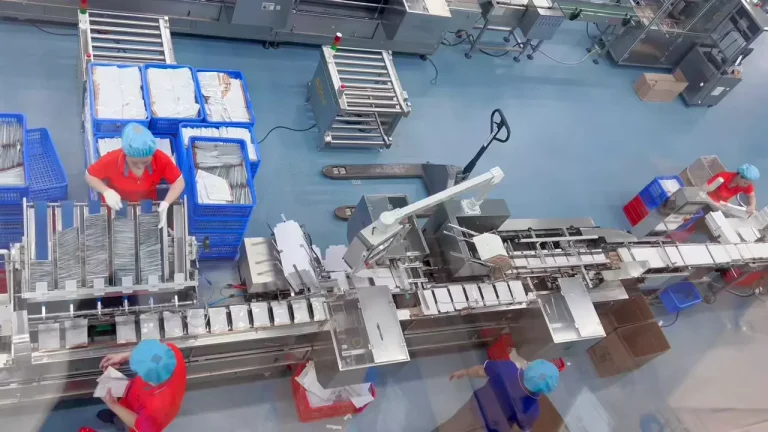
- Mass Production: Automated filling, sealing, and labeling in a sterile environment.
- Quality Inspection & Delivery: Final microbiological testing before the products are shipped to your warehouse or directly to your distribution channels.
Elevate Your Beauty Brand Today
Choosing the right manufacturing partner is about finding a team that understands your brand’s unique needs and the technical demands of the global market. By focusing on R&D strength, production capacity, and strict quality control, you can confidently bring high-quality hair care products to your customers.
Frequently Asked Questions (FAQs)
Q1: What is the difference between OEM and ODM in hair care manufacturing? A: OEM (Original Equipment Manufacturer) means the factory produces a hair care product based exactly on your unique formula and specifications. ODM (Original Design Manufacturer) means the factory provides pre-formulated, tested products that you can select and rebrand as your own private label.
Q2: What is the typical Minimum Order Quantity (MOQ) for private label shampoo? A: MOQs vary depending on the packaging and formulation. For standard ODM formulas with in-stock packaging, the MOQ can be as low as 1,000 to 3,000 units. For fully customized OEM formulations and custom bottle molds, the MOQ typically ranges from 5,000 to 10,000 units.
Q3: Can a hair care factory provide necessary export certificates? A: Yes, a professional cosmetic manufacturer will provide all necessary documentation for international trade, including MSDS (Material Safety Data Sheet), COA (Certificate of Analysis), and relevant FDA or CPNP registration assistance for the US and European markets.
Q4: How long does the production process take? A: After the final sample and packaging are approved, mass production typically takes between 15 to 30 days. If you are developing a completely new formula from scratch, the R&D and sampling phase may add an additional 2 to 4 weeks to the timeline.
For the full picture on this category, start with Shampoo OEM Manufacturer China: 2026 Sourcing Checklist.
Adjacent briefs worth reading together: Finding a Top Hair Care Manufacturer: How Brands Choose a Reliable OEM/ODM Partner, How to Choose the Best OEM Shampoo Factory for Your Hair Care Brand, How to choose a shampoo OEM manufacturer.
If you are comparing what a factory already produces, review our existing shampoo and scalp care formulations.
Related: The Secret to Radiant Hair: Why Your Beauty Shampoo Matters.