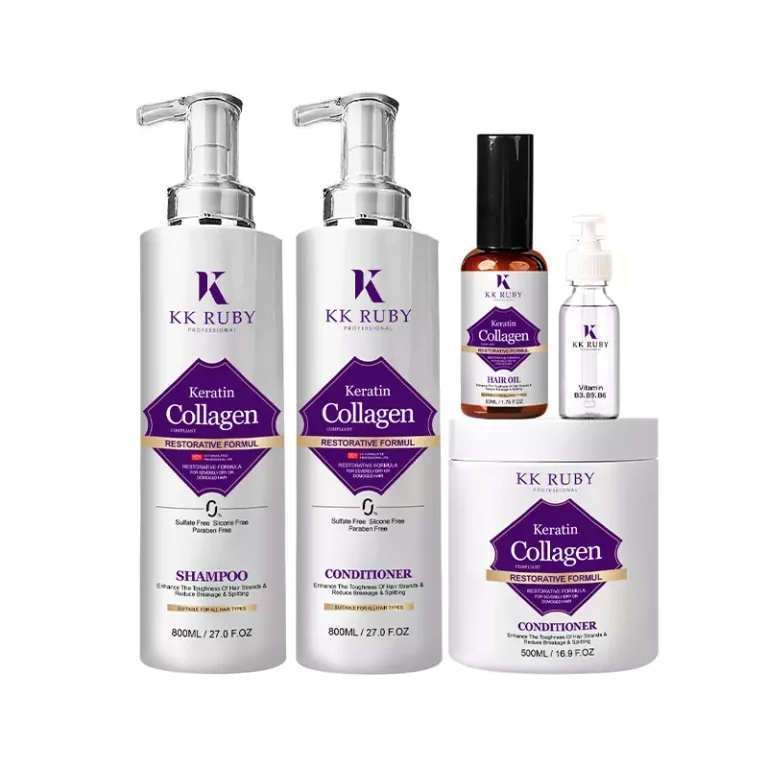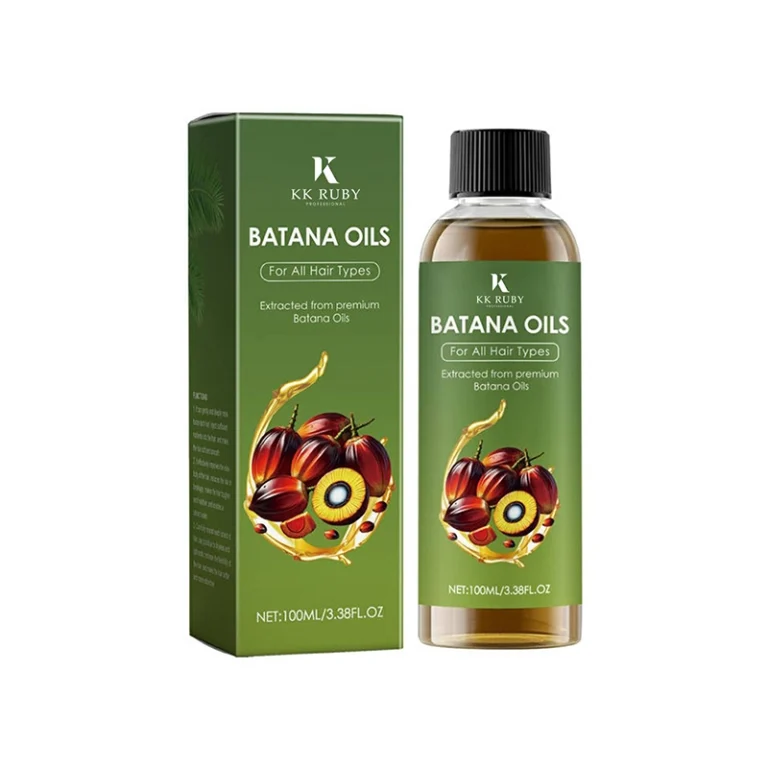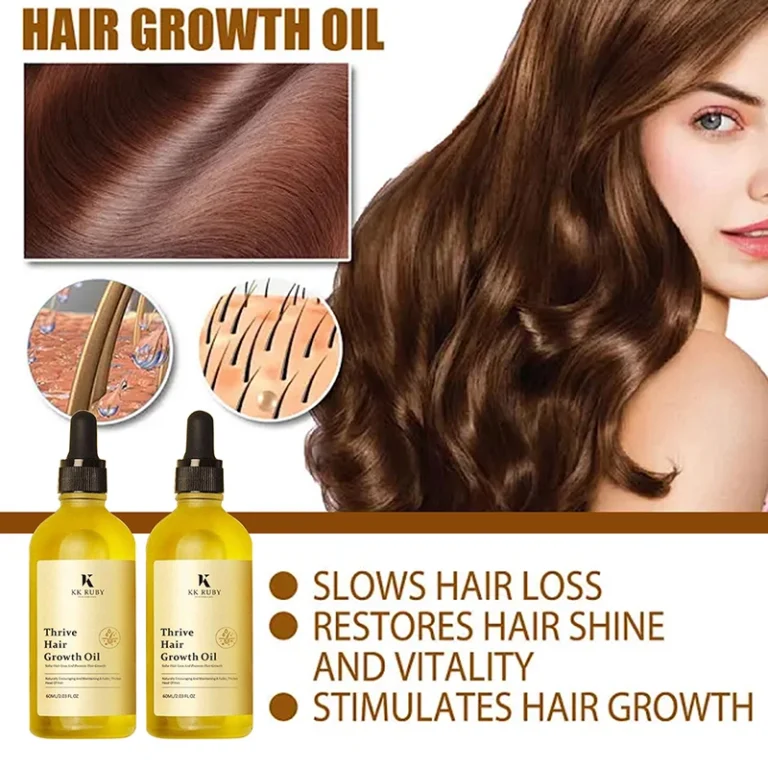
When you evaluate suppliers for your next private label hair care launch, “gmp certified hair care manufacturer china” is often the first search term your procurement team types. The phrase signals more than a compliance checkbox: a factory that holds current GMP certification has demonstrated control over its production environment, raw materials, documentation, and quality testing. For buyers, however, the certificate itself is only the beginning. This guide covers what GMP certification actually includes, how to verify a supplier’s claims, and which documents to request before you commit to a production order.
What GMP Certification Actually Covers
GMP stands for Good Manufacturing Practice, a set of principles that govern how cosmetics and personal care products are produced, controlled, and documented. In the cosmetics industry, the relevant benchmark is GMPC, or cosmetic GMP, which follows the requirements of ISO 22716:2007. A GMPC-certified factory must show auditors that its premises, water systems, equipment, personnel hygiene, raw material storage, production records, and batch traceability meet defined standards. Audits are repeated at regular intervals, so certification is not a one-time event; it is a continuous obligation.
For a contract manufacturer, the practical effect of GMPC is visible on the factory floor. Production areas are separated by function, air handling and water purification systems are monitored daily, and every filling line is cleaned according to a documented schedule. Raw materials are received with supplier certificates, quarantined until tested, and released only with quality department approval. Finished batches carry unique codes, so if a question ever arises about a specific order, the factory can trace it back to the exact raw material lots and production operators involved.
Why Certification Matters for Procurement Decisions
For a procurement decision maker, GMP certification reduces risk in three concrete ways. First, it lowers the chance of contamination and batch variation, which protects your brand from recalls. Second, it ensures documentation exists for every batch, which simplifies customs clearance and retailer audits. Third, it shortens your own qualification process: a certified factory has already passed third-party inspection, so you can focus your due diligence on formulation, pricing, and packaging rather than basic hygiene and safety systems.
The commercial impact of a compliance failure is difficult to overstate. A single contaminated batch can trigger a recall that removes your product from store shelves for months, consumes your team’s attention, and damages the trust retailers have placed in your brand. Major retailers and marketplaces routinely request GMP documentation before listing a private label product, and distributors in the EU, US, and Australia expect to see current certificates during onboarding. Choosing a certified partner is therefore not a premium you pay; it is a baseline you protect.
What to Look For in a GMP Certified Hair Care Manufacturer China
Not all certificates are equal, and the label “GMP certified hair care manufacturer china” should be checked against the actual certificate document. Look for three things. First, confirm the certified entity’s legal name matches the factory you are dealing with. Second, verify the scope of certification explicitly includes cosmetics or hair care products. Third, check the issue and expiry dates — certification must be current, and the issuing body should be an accredited organization such as SGS, Intertek, or a national authority.
Scale also matters. Our facility in Guangzhou covers 50,000 square meters with more than 100 production lines and a daily output of 500,000 bottles. We have 16 years of OEM and ODM experience and a library of 5,000+ formulations. When you evaluate a supplier, ask for the factory address, the production area, and the number of lines, and compare those facts against the certificate scope. A factory that claims certification but cannot produce a certificate naming the same legal entity and address should raise an immediate question.
Verification Beyond the Certificate
A certificate proves a factory passed an audit on a given date. It does not prove that every batch meets your specification, and this is where even a gmp certified hair care manufacturer china must be held to a higher standard. Request these supporting documents before you place an order:
- A certificate of analysis (COA) for the specific formulation you plan to buy
- Microbiological test reports, including total plate count and pathogen checks
- Heavy metal content results for lead, arsenic, mercury, and cadmium
- Stability study summaries covering heat, cold, and freeze-thaw cycles
- Material safety data sheets (MSDS) for each raw material
A reliable partner provides third-party test reports from independent laboratories and issues a COA for every production batch. We provide these routinely, and we sign an NDA before any formulation or cost discussion so your product concept stays confidential. Ask how long a supplier has exported to your market, and request references from brands of a similar size. The answers tell you more about day-to-day reliability than the certificate alone ever will.
Compliance Support for Export Markets
Exporting private label hair care involves more than manufacturing. Different markets require different documentation: the EU and UK expect a Cosmetic Product Safety Report (CPSR) and responsible person arrangements, while the US market requires FDA facility registration and ingredient review. Australia, Canada, and the ASEAN countries each have their own notification systems, and labeling rules differ on ingredient naming, warning statements, and language requirements.
A factory with export experience handles these requirements as part of a turnkey service. Our compliance team prepares the technical files, supports product notification, and helps with label review for the markets you sell into. We have supported clients through registrations in more than 20 countries, and we keep current with changes such as the EU’s updates to ingredient restrictions. This reduces the administrative burden on your internal regulatory staff and shortens time to market, which matters when you are coordinating a launch across multiple retailers.
Costs, MOQ, and Lead Times
Cost structure is where certified factories sometimes lose to uncertified competitors, but the gap is smaller than most buyers assume. Certification adds real costs — audits, documentation systems, quality staff, and testing — yet those costs are spread across large production volumes. Our minimum order is 5,000 pieces per SKU, and we offer tiered pricing that improves as order volume passes 20,000 pieces. Free samples are available before you commit, and lead times for standard formulations typically run 25–35 days from sample approval to shipment.
When comparing quotes, include the cost of testing, documentation, and rework risk in your total cost calculation. A lower unit price from an uncertified factory can disappear quickly if you must pay for your own audits, repeat testing, or replacement batches. Factor in how the supplier handles defective goods, how quickly they respond to documentation requests, and whether they keep production records in a form your auditors can review.
A Practical Example
A European brand approached us in 2025 to launch a sulfate-free shampoo line. The buyer had shortlisted three factories, including two in China and one in Europe. In the first week, we provided our GMPC certificate, the scope document, and a COA for the proposed formulation. The buyer then requested a video audit of the production hall and water treatment system, which we arranged within three days. After two rounds of sample revisions, the brand placed an initial order of 30,000 units across three SKUs at 5,000 pieces per SKU. Batch records, COAs, and stability data were delivered with the shipment, and the brand cleared EU customs without additional requests. The total time from first contact to shipment was 11 weeks, including formulation, packaging, and production. As a gmp certified hair care manufacturer china with 16 years of export experience, we could answer every compliance question from that buyer without escalating to external consultants.
Frequently Asked Questions
1. What does GMP certified mean for a hair care manufacturer in China?
A factory with current GMP certification has passed an audit confirming its production processes meet Good Manufacturing Practice standards for cosmetics, covering premises, hygiene, raw material control, and batch documentation. The certification is verified by an accredited body and renewed at regular intervals.
2. How do I verify a GMP certificate is genuine?
Request the full certificate, check the legal entity name, scope of certification, issuing body, and validity period. Ask for the audit report summary or contact the issuing body directly. We also offer video audits so you can see the facility yourself.
3. What is the difference between GMP and GMPC?
GMP is the general principle of good manufacturing practice. GMPC is the cosmetics-specific application of that principle, usually benchmarked against ISO 22716:2007, which adds requirements specific to cosmetic production such as water quality and microbial control.
4. What is the minimum order quantity at a certified factory?
Our MOQ is 5,000 pieces per SKU. Tiered pricing applies from 20,000 pieces, and free samples are provided before you commit to a production order.
5. What test reports should I request before ordering?
Ask for a certificate of analysis for your formulation, microbiological test results, heavy metal analysis, stability study summaries, and material safety data sheets. Independent third-party reports are preferred.
Contact us today to request free samples and a customized quotation for your next hair care product line.
Adjacent briefs worth reading together: Batch Coding and Traceability in Hair Care Manufacturing: Why It Matters for Brand Protect, How can shampoo OEM manufacturers ensure formula safety?.
If you are comparing what a factory already produces, review our OEM and ODM service workflow.