For brand owners entering the hair care market or expanding their product lines, selecting the right manufacturing partner is one of the most consequential decisions you will make. The term professional hair care OEM describes a manufacturer that produces finished hair care products to your specifications, under your brand name, using established production processes and quality systems. Unlike a simple contract filler, a capable professional hair care OEM brings formulation expertise, regulatory knowledge, and scalable production capacity to the table. This guide is written for procurement decision makers who need a structured framework for evaluating, comparing, and selecting a professional hair care OEM partner.
What Defines a Professional Hair Care OEM?
A professional hair care OEM is distinct from a generic contract manufacturer in several key areas. First, they maintain in-house research and development teams that can formulate products meeting specific performance claims — whether that is a sulfate-free shampoo for sensitive scalps, a caffeine-infused scalp treatment, or a color-safe conditioner. Second, they operate facilities that comply with international manufacturing standards such as GMPC (Good Manufacturing Practice for Cosmetics) or ISO 22716. Third, a professional hair care OEM offers end-to-end services including formulation development, stability testing, packaging sourcing, and quality assurance documentation.
When you engage a professional hair care OEM, you are purchasing access to formulation libraries, regulatory compliance pathways, and supply chain infrastructure that would take years to build independently. For procurement teams evaluating potential partners, the evaluation criteria must extend beyond unit pricing to include technical capability, regulatory support, and reliability metrics. An OEM that can demonstrate both scale and flexibility holds significant strategic value for brands at any stage of growth.
Core Evaluation Criteria for OEM Selection
1. Manufacturing Capabilities and Facility Standards
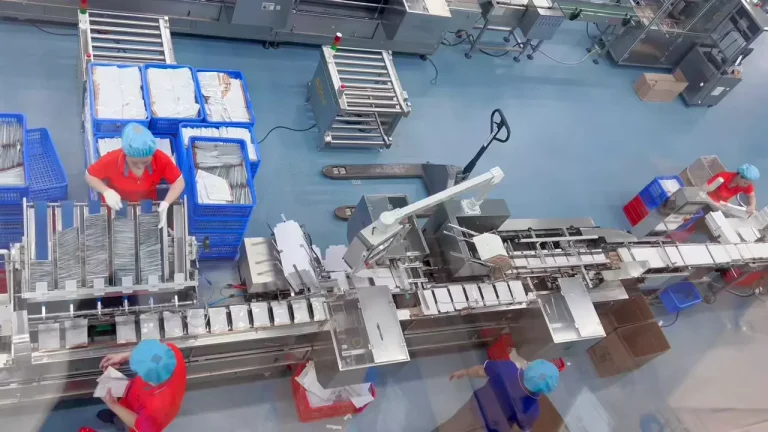
The physical infrastructure of a professional hair care OEM directly determines product quality, consistency, and delivery timelines. When conducting facility evaluations, procurement teams should assess production capacity — a professional hair care OEM with 100+ production lines and a daily output of 500,000 units can reliably handle volume fluctuations during peak seasons. For example, a professional hair care OEM operating a 50,000-square-meter GMPC-certified facility has the throughput to fulfill both large-volume baseline orders and urgent replenishment requests.
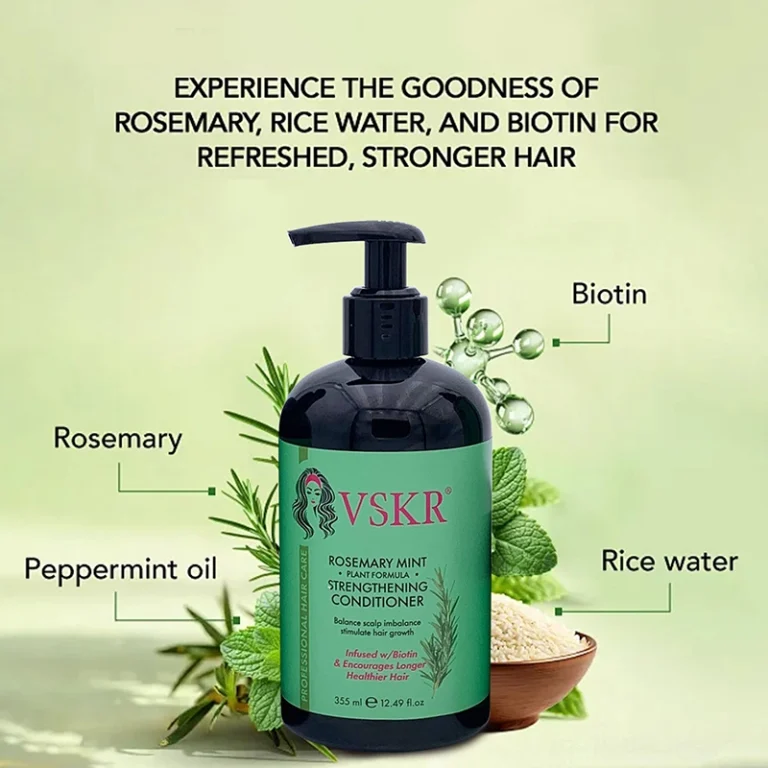
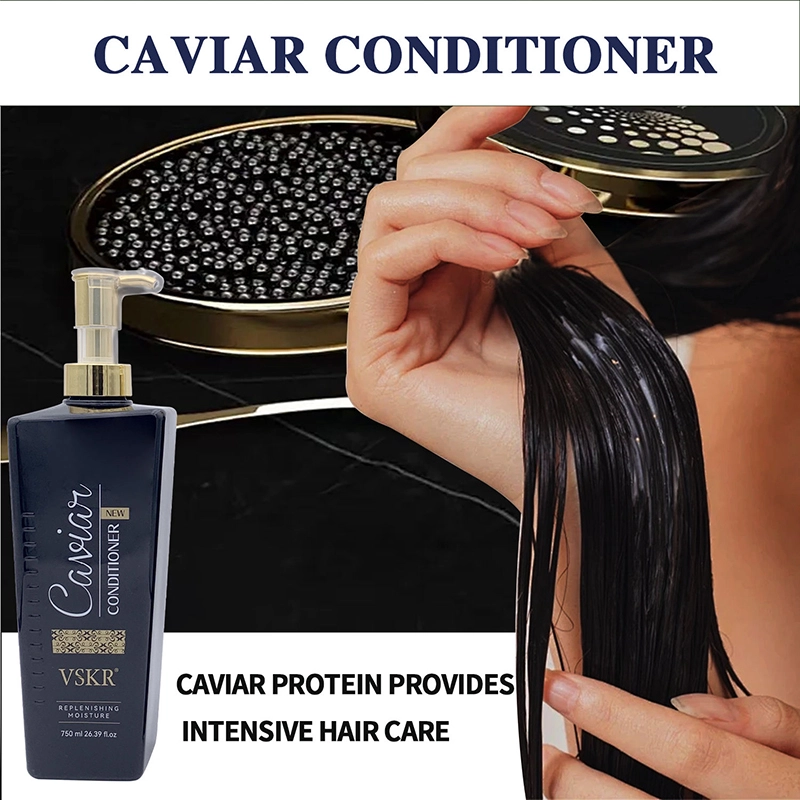
Equipment diversity matters too. Different product forms require different equipment — liquid filling lines for shampoos and conditioners, tube fillers for hair masks, aerosol lines for styling foams. A versatile professional hair care OEM maintains multiple packaging line configurations to accommodate bottles, tubes, jars, sachets, and custom formats. For example, a brand launching a leave-in conditioner line in 500ml pump bottles requires a professional hair care OEM with high-speed liquid filling capability, nitrogen purging for oxidation control, and capping stations that accommodate custom pump mechanisms. A manufacturer lacking any of these specific capabilities would introduce unnecessary supply chain risk.
2. R&D and Formulation Expertise
The depth of a manufacturer’s formulation library is a direct indicator of their ability to bring product concepts to life. A strong professional hair care OEM maintains a library of 5,000+ proven formulations spanning shampoo, conditioner, hair masks, serums, oils, dyes, and treatments. This depth means faster product development cycles — often reducing formulation time from months to weeks.
When evaluating R&D capabilities, procurement decision makers should ask specific questions:
- Does the professional hair care OEM offer custom formulation development, or do they require selection from existing base formulas?
- Can they formulate for specific certifications — organic, vegan, cruelty-free, sulfate-free, paraben-free?
- What is their typical formulation revision cycle? A responsive OEM should complete initial prototypes within 7–14 business days.
- Do they provide Certificates of Analysis (COA) and Material Safety Data Sheets (MSDS) for each formulation?
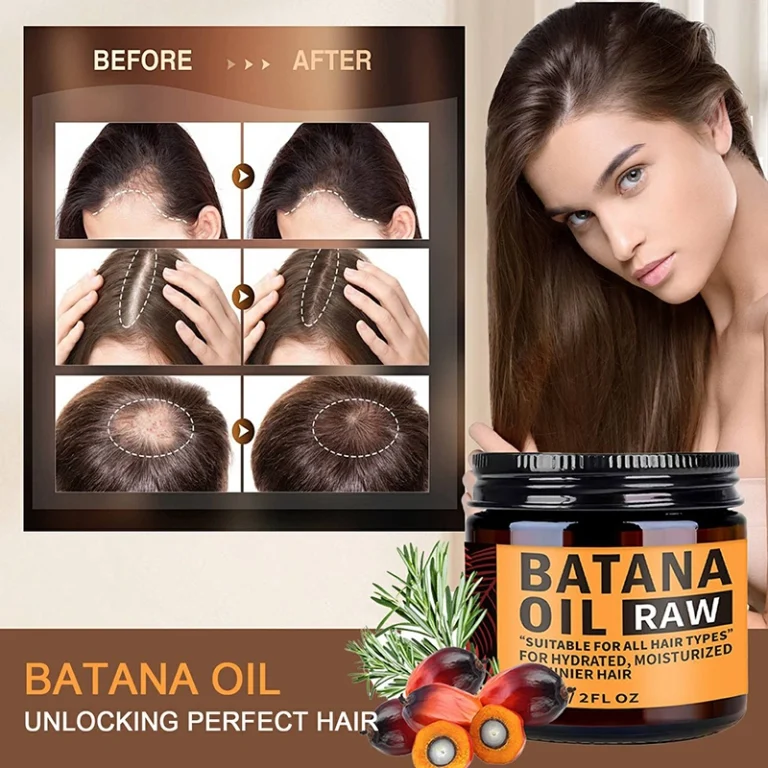
In-house R&D capability is particularly important for efficacy-driven products. If your brand is developing a caffeine-infused anti-hair-loss shampoo, the professional hair care OEM must verify active ingredient stability, conduct preservation efficacy testing, and provide third-party test reports. Without these capabilities, your brand faces regulatory exposure and potential liability.
Jargon explained: MOQ (Minimum Order Quantity) — This refers to the smallest quantity of product a manufacturer will produce in a single production run. For a professional hair care OEM, typical MOQs range from 3,000 to 10,000 units per SKU, though many offer tiered pricing starting as low as 5,000 pieces per SKU with price breaks at higher volumes.
3. Quality Assurance and Compliance Systems
Every product batch should undergo documented quality checks at multiple stages when selecting an OEM partner: raw material inspection, in-process quality control during production, and finished product testing before release. The QA framework should cover:
- Microbiological testing for bacterial and fungal contamination
- Stability testing under accelerated aging conditions (typically 40°C / 75% RH for 3 months)
- Preservative efficacy testing (PET) per USP or EP standards
- Physical property checks — viscosity, pH, color, fragrance, appearance
- Packaging integrity testing — torque, seal strength, drop testing
Regulatory compliance is equally critical. A qualified professional hair care OEM should support your regulatory filings in target markets — FDA registration for the US, CPNP notification for the EU, or NMPA filing for China. A professional hair care OEM should also maintain documentation on ingredient compliance with the EU Cosmetics Regulation (EC 1223/2009) and the FDA’s Modernization of Cosmetics Regulation Act (MoCRA).
4. Supply Chain and Logistics Reliability
Supply chain resilience has become a defining factor in OEM selection. A reliable professional hair care OEM maintains sufficient raw material inventory to buffer against supply disruptions, and they should have established relationships with multiple ingredient suppliers to avoid single-source dependencies.
Key logistics questions to ask during evaluation:
- What is the standard lead time from order to shipment? A professional hair care OEM should commit to 25–45 days for standard orders, with expedited options available.
- Do they offer warehousing and consolidated shipping for mixed-batch orders? This is valuable for brands sourcing multiple SKUs in a single container.
- Can they provide real-time production tracking and shipment visibility?
For brands with established distribution channels, a professional hair care OEM that offers ready-to-ship stock for high-turnover SKUs can be a strategic advantage, allowing you to respond quickly to demand spikes without committing to full production runs in advance.
5. Commercial Terms and Partnership Structure
The commercial relationship with a professional hair care OEM should be structured for long-term alignment. Key terms to negotiate include:
- Pricing transparency: Request itemized pricing that separates raw material costs, packaging costs, filling labor, and logistics. This allows you to identify cost drivers.
- MOQ flexibility: A professional hair care OEM that offers tiered pricing — lower per-unit cost at higher volumes — allows you to start with conservative order quantities and scale as demand grows.
- NDA and IP protection: Ensure formulations, packaging designs, and marketing concepts are protected by a signed Non-Disclosure Agreement before sharing proprietary information.
- Sample policy: A reputable professional hair care OEM provides free samples for evaluation, with the understanding that custom formulation work may carry a nominal development fee credited against your first production order.
Red Flags to Watch For
During due diligence, certain warning signs should cause you to reconsider a professional hair care OEM:
- Unwillingness to share factory audit reports — A transparent professional hair care OEM welcomes third-party audits.
- Vague or absent stability data — No documented stability results means QA protocols are not being followed.
- Inconsistent communication — Delayed responses during evaluation often foreshadow poor communication during production.
- Pricing significantly below market — Typically indicates corner-cutting on raw material quality or QA processes.
- Refusal to provide references — Established OEMs can introduce you to existing clients with appropriate confidentiality protections.
Making the Final Decision
Selecting a partner is a risk management exercise. The right professional hair care OEM balances technical capability, quality systems, commercial flexibility, and supply chain reliability. We recommend developing a weighted scorecard that reflects your brand’s specific priorities — whether formulation innovation speed, cost efficiency, or regulatory compliance depth — and scoring each candidate manufacturer against those criteria.
For procurement teams new to the hair care category, we recommend starting with a smaller, tightly scoped project such as a single SKU private label conditioner. This allows you to evaluate the professional hair care OEM’s responsiveness, quality consistency, and communication patterns before committing to a multi-SKU product line.
With 16 years of industry experience, 5,000+ formulations in our library, and a 50,000-square-meter GMPC-certified facility operating 100+ production lines, we serve as a professional hair care OEM for brands ranging from emerging indie labels to established international retailers. Contact us today to request free samples and a customized quotation for your next hair care product line.