The global shift toward sulfate-free hair care has become a baseline expectation for consumers. For brands entering this segment, choosing the right sulfate free shampoo manufacturer is the most consequential supply chain decision you will make. Working with a qualified sulfate free shampoo manufacturer ensures your brand meets consumer expectations and regulatory requirements from day one. This guide provides procurement professionals with the technical, regulatory, and commercial considerations for evaluating contract manufacturing partners.
Why Sulfate Free Formulations Matter for Your Brand
Consumer awareness of harsh surfactants has risen sharply. SLS and SLES are increasingly avoided due to their potential to strip natural oils and cause scalp irritation. According to a 2024 industry analysis, sulfate-free shampoos now account for over 38% of the premium hair care segment in North America and Europe, with sustained double-digit growth projected through 2030. This trajectory reflects a fundamental shift in consumer purchasing behavior that directly impacts formulation strategy for private label buyers. Partnering with an experienced sulfate free shampoo manufacturer allows your brand to capture this growing demand without building your own production facility. A dedicated sulfate free shampoo manufacturer brings formulation expertise, regulatory infrastructure, and scaled production economics that would take years to develop internally. Any sulfate free shampoo manufacturer you evaluate should demonstrate a documented track record of successful sulfate-free product launches across different market segments.
Key Criteria for Selecting a Sulfate Free Shampoo Manufacturer
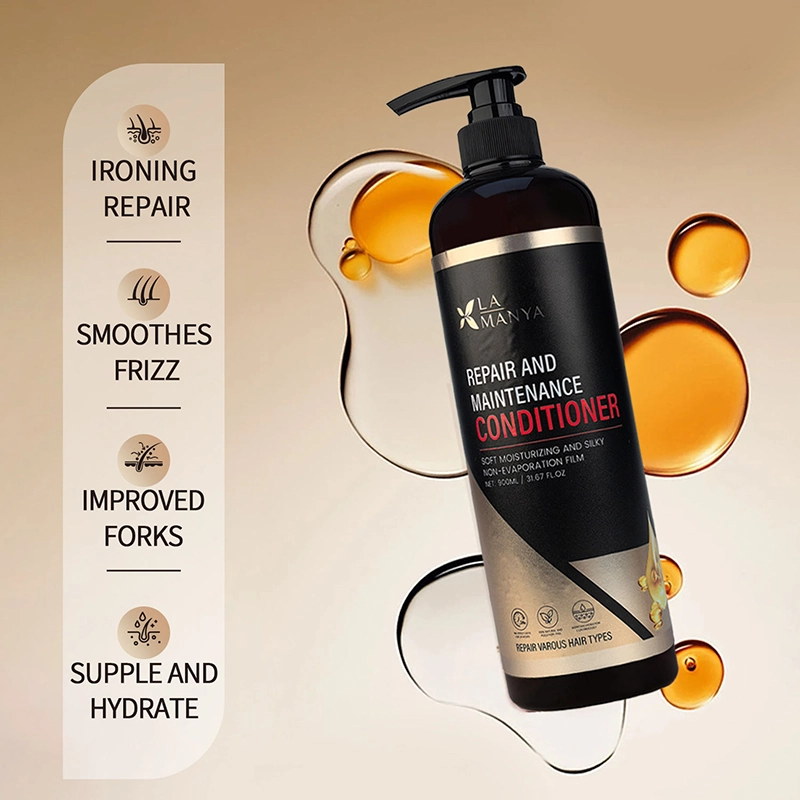
1. Formulation Capabilities and R&D Depth
Sulfate-free formulations require careful selection of primary and secondary surfactants. Common alternatives include sodium cocoyl isethionate, cocamidopropyl betaine, decyl glucoside, and lauryl glucoside—each offering different foaming characteristics, viscosity profiles, and compatibility with active ingredients. The ideal sulfate free shampoo manufacturer maintains an in-house R&D laboratory staffed with cosmetic chemists who understand surfactant interactions with thickeners, preservatives, and conditioning agents. At our facility, we hold over 5,000 active formulations and have developed more than 200 sulfate-free variants across different price points and performance profiles. Our chemists can adapt existing bases or develop fully custom solutions depending on your brand positioning. A sulfate free shampoo manufacturer with strong R&D capabilities accelerates your time-to-market by reducing the iteration cycle during formulation development.
2. Production Scale and Capacity
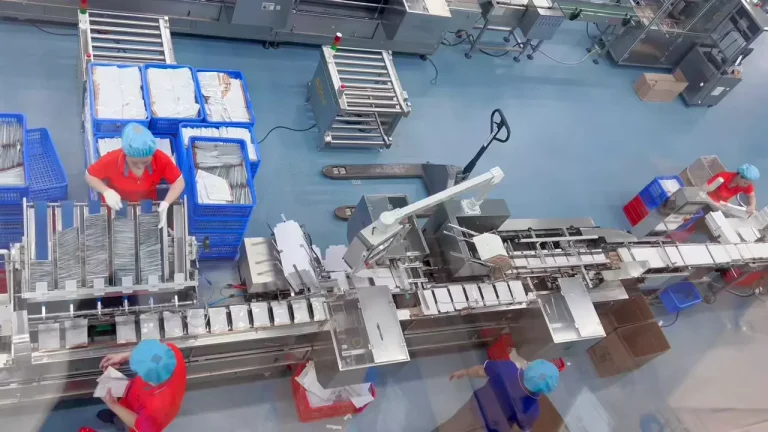
Production capacity directly affects your ability to scale. A reputable sulfate free shampoo manufacturer should demonstrate daily output aligned with your volume projections. Our manufacturing campus spans 50,000 square meters of GMPC-compliant space with over 100 production lines and daily output of 500,000 units. This ensures that large-volume orders are fulfilled within standard lead times. For brands testing the market, low MOQs are equally important—we offer 5,000 pieces per SKU for sulfate-free shampoo, allowing new entrants to validate product-market fit without overcommitting inventory capital. As a sulfate free shampoo manufacturer with both scale and flexibility, we accommodate startups and established retailers alike. Choosing the right sulfate free shampoo manufacturer for your volume requirements ensures you avoid both stockouts and excess inventory.
3. Quality Management Systems
Sulfate-free shampoos present unique stability challenges. Without SLS/SLES as stabilizing surfactants, formulations may be more prone to phase separation, viscosity drift, or microbial contamination over shelf life. A qualified sulfate free shampoo manufacturer operates under documented protocols including raw material identity testing, in-process viscosity and pH monitoring, accelerated stability testing at 40°C and 50°C over three months, and preservative challenge testing. We maintain ISO 22716 (GMPC) certification and provide third-party test reports for every production batch. Every sulfate free shampoo manufacturer under consideration should share their quality manual and recent audit results during the evaluation process.
4. Regulatory and Compliance Support
Exporting sulfate-free shampoo requires navigating complex regulatory frameworks across jurisdictions. In the European Union, compliance with Regulation (EC) No 1223/2009 is mandatory. In the United States, products must meet FDA cosmetic labeling requirements. A competent sulfate free shampoo manufacturer should provide safety data sheets, IFRA compliance certificates, preservative system documentation, and country-specific labeling guidance. We support clients across North America, Europe, Southeast Asia, and the Middle East with a dedicated regulatory affairs team. Choosing a sulfate free shampoo manufacturer with strong regulatory infrastructure reduces your time-to-market significantly by eliminating compliance bottlenecks.
Understanding Surfactant Chemistry: A Technical Primer
One term that frequently arises in procurement discussions is surfactant synergy—the interaction between two or more surfactants that produces a combined effect greater than the sum of their individual effects. In sulfate-free shampoo formulation, achieving surfactant synergy is critical, since a single mild surfactant rarely delivers adequate cleansing and foam. By blending anionic surfactants (such as sodium cocoyl isethionate) with amphoteric surfactants (such as cocamidopropyl betaine) and nonionic surfactants (such as decyl glucoside), formulators create a system that cleanses effectively while remaining gentle on the scalp and hair cuticle. When evaluating a sulfate free shampoo manufacturer, ask specifically about their approach to surfactant synergy. A knowledgeable sulfate free shampoo manufacturer will readily discuss formulation strategy and provide comparative data on foam volume and mildness from their own testing.
Pricing Structure and MOQ Considerations
Private label pricing for sulfate-free shampoo typically runs 15–25% higher than conventional SLS-based formulations, reflecting the higher cost of mild surfactant systems and additional stability testing requirements. However, this premium is often offset by higher retail price points—sulfate-free shampoos command 30–50% higher shelf prices. When comparing quotations, evaluate the full cost structure including base formula cost, custom formulation surcharges, packaging costs, testing fees, and shipping logistics. A transparent sulfate free shampoo manufacturer provides a detailed line-item quotation rather than a bundled price. We offer tiered pricing where orders exceeding 20,000 units per SKU receive substantially lower per-unit costs. As a sulfate free shampoo manufacturer serving both emerging and established brands, our pricing reflects our commitment to long-term partnerships.
Customization Options: From Formula to Packaging
Sulfate-free shampoo formulations can be customized across multiple dimensions. Active ingredient selection is one of the most impactful decisions—popular options include biotin for thickening, argan oil for hydration, and ketoconazole for dandruff control. The sulfate free shampoo manufacturer you choose should have proven experience with each active ingredient category. Packaging customization is equally important for brand differentiation. Options range from PET and HDPE bottle shapes (50 ml to 1 liter) to airless pump bottles, custom mold development, and specialty label finishes. A versatile sulfate free shampoo manufacturer should offer at least three packaging tiers to match different market segments and budgets.
Logistics and Lead Times
First-order lead time for sulfate-free shampoo typically ranges from 30 to 45 days from formulation approval, depending on packaging availability and order volume. Repeat orders generally require 20 to 30 days. A reliable sulfate free shampoo manufacturer maintains buffer stock of commonly used surfactants and packaging materials to reduce procurement risk. We maintain ample stock of standard surfactant systems and white-label bottles, enabling 48-hour shipping for select configurations. Every sulfate free shampoo manufacturer should be able to commit to specific lead times with a documented service level agreement.
Why Choose Our Manufacturing Partnership
With 16 years of experience in hair care contract manufacturing, we have developed a specialization in sulfate-free technology that few competitors can match. Our 50,000-square-meter GMPC facility, 100+ production lines, and 5,000-formulation library position us as a capable sulfate free shampoo manufacturer for brands ranging from startups to Fortune 500 retailers. We offer turnkey service—from concept development and formula optimization through regulatory filing, production, packaging, and logistics. All partnerships begin with a free consultation and sample development under NDA. If you are searching for a sulfate free shampoo manufacturer that combines technical depth with commercial flexibility, we invite you to evaluate our capabilities firsthand.
Frequently Asked Questions
What makes a shampoo truly sulfate free?
A sulfate-free shampoo is formulated without sodium lauryl sulfate (SLS), sodium laureth sulfate (SLES), or ammonium lauryl sulfate (ALS). Instead, it uses milder cleansing agents such as sodium cocoyl isethionate, cocamidopropyl betaine, decyl glucoside, or lauryl glucoside. A reputable sulfate free shampoo manufacturer will provide full ingredient disclosure confirming the absence of these compounds in writing.
What is the minimum order quantity for private label sulfate-free shampoo?
Most contract manufacturers require a minimum of 3,000 to 5,000 units per SKU for sulfate-free shampoo production. Our MOQ is 5,000 pieces per SKU, with tiered pricing available for orders exceeding 20,000 units. A flexible sulfate free shampoo manufacturer will work with you to find an MOQ that fits your launch budget and sales projections.
How long does it take to develop a custom sulfate-free shampoo formula?
Custom formula development typically takes 2 to 4 weeks for modification of existing base formulas, and 4 to 8 weeks for entirely new formulation development. This timeline includes stability testing, preservative efficacy testing, and pH optimization. A responsive sulfate free shampoo manufacturer provides a clear project timeline during the quotation phase and adheres to it.
Can a sulfate-free shampoo produce sufficient foam for consumer acceptance?
Yes. Through proper surfactant synergy, modern sulfate-free formulations achieve rich, stable foam that meets consumer expectations. The foam profile differs from SLS-based shampoos—producing smaller bubbles with a creamier texture—and is widely accepted in the premium market segment. An experienced sulfate free shampoo manufacturer can provide foam comparison data from consumer testing panels.
What certifications should I look for in a sulfate-free shampoo manufacturer?
Key certifications include ISO 22716 (GMPC for cosmetics), ISO 9001 (quality management), and market-specific certifications such as FDA registration (USA) or CPNP notification (EU). Always request current certificates during supplier evaluation. A certified sulfate free shampoo manufacturer will share these documents without hesitation.
Start Your Sulfate-Free Shampoo Line
Developing a private label sulfate-free shampoo line requires a manufacturing partner with the right technical expertise, production capacity, and regulatory infrastructure. As an experienced sulfate free shampoo manufacturer, we have helped over 200 brands bring sulfate-free hair care products to market across 30 countries. Contact us today to request free samples and a customized quotation for your next hair care product line.