When your brand commits to a cruelty free positioning, the factory behind your shampoo becomes part of that promise. A cruelty free shampoo manufacturer is not just a supplier with a bunny logo on its website; it is a facility that can document, across its entire supply chain, that no animal testing was conducted on the formula, the ingredients, or the finished product. For procurement teams, the challenge is verification: certification programs differ, claims are rarely regulated, and the supporting documents are not always easy to obtain. This guide explains what cruelty free means in practice, which documents to request, what to audit on a factory visit, and how to protect your brand in the sourcing agreement.
What “Cruelty Free” Actually Requires from a Shampoo Manufacturer
In cosmetics, cruelty free means that neither the finished product nor any of its ingredients was tested on animals, and that no third party conducted such tests on the brand’s behalf. This is different from vegan, which concerns ingredients of animal origin rather than testing. A shampoo can be vegan and still have been tested on animals; it can also contain animal-derived ingredients and still be cruelty free. The two claims are separate and require separate verification.
Regulation has moved in one direction: the European Union banned animal testing for cosmetics in 2013, India in 2014, and several other markets followed. In China, mandatory post-market animal testing for ordinary cosmetics was removed in 2021, and manufacturers serving export markets can now ship without animal-test data where the destination allows. However, the absence of a legal requirement to test is not the same as a documented cruelty free commitment. That distinction is where supplier evaluation begins. A cruelty free shampoo manufacturer should be able to state its testing policy in writing and name the certification bodies it works with.
Documentation That Proves the Claim
Claims are easy to print; documentation is harder to fake. When you evaluate a cruelty free shampoo manufacturer, request at least the following before the first pilot run.
- A written no-animal-testing policy covering the finished product, each raw material, and the full supply chain, signed by the facility’s quality director.
- Raw material declarations or affidavits from ingredient suppliers confirming that no animal testing was conducted for the materials supplied to your formulas.
- Certification certificates from a recognized program. The most widely recognized is Leaping Bunny, operated by Cruelty Free International; its standard requires an independent audit and a fixed cutoff date, meaning the brand and its suppliers commit that nothing in the supply chain was animal-tested after a specific date. PETA’s Beauty Without Bunnies program offers a searchable database and a self-declaration path. Both are verifiable, which is why retailers accept them.
- Finished product test reports showing safety evaluation through non-animal methods: in-vitro assays, human volunteer panels such as an HRIPT, and historical ingredient data.
- Batch-specific Certificates of Analysis for your SKUs, plus GMP certification such as ISO 22716 and facility registration for your destination market.
One term is worth knowing: a fixed cutoff date is the date after which a certified company commits that no animal testing has occurred anywhere in its supply chain. Because raw material sources can change, the cutoff date must be re-verified whenever a supplier changes.
If a supplier cannot produce the documents above, treat the claim as marketing. A cruelty free shampoo manufacturer that sells to EU, UK, or North American retailers will have these files ready, because its existing customers already required them.
What to Audit on the Factory Floor
Documentation tells you what a facility claims; an audit tells you what it does. Verify four areas on a factory visit: the raw material warehouse, the quality control laboratory, the production records, and the training program.
In the warehouse, check whether animal-derived ingredients are stored and labeled separately, and confirm that incoming inspection records tie every lot to a supplier declaration. In the laboratory, ask which methods are used for irritation screening. Modern factories use reconstructed skin models and other in-vitro methods; a facility that outsources to an animal-testing laboratory cannot support a cruelty free claim. For a cruelty free shampoo manufacturer, the laboratory visit is the most informative part of the audit.
Production records should show that batch numbers trace from raw material intake to filling, and that the no-animal-testing commitment is included in the batch record. Training records should confirm that quality staff understand the consequences of a supply chain change. Many large buyers also request a third-party audit report such as SMETA, or a certification audit from the program they rely on. If a factory refuses an audit or limits access to the laboratory, that is a stronger signal than any certificate.
Certification Programs and Market Requirements
Cruelty free claims are regulated differently by market. In the EU and UK, cosmetics must comply with the animal testing bans, and claims are policed by national authorities under consumer protection rules. In the United States, there is no federal ban on animal testing for cosmetics, but MoCRA requires FDA facility registration and product listing, and California’s Cruelty-Free Cosmetics Act restricts sales of animal-tested cosmetics in that state. In China, ordinary cosmetics can be imported and exported without commissioning animal tests when they meet the applicable requirements.
Certification programs fill the gap between law and consumer trust. Leaping Bunny is the strictest widely used standard because it requires a full supply chain audit, a fixed cutoff date, and regular re-verification. PETA’s Beauty Without Bunnies allows companies to self-certify and join its database. Both are accepted by major retailers, which is why a cruelty free shampoo manufacturer serving export markets usually holds at least one.
How We Operate as a Cruelty Free Shampoo Manufacturer
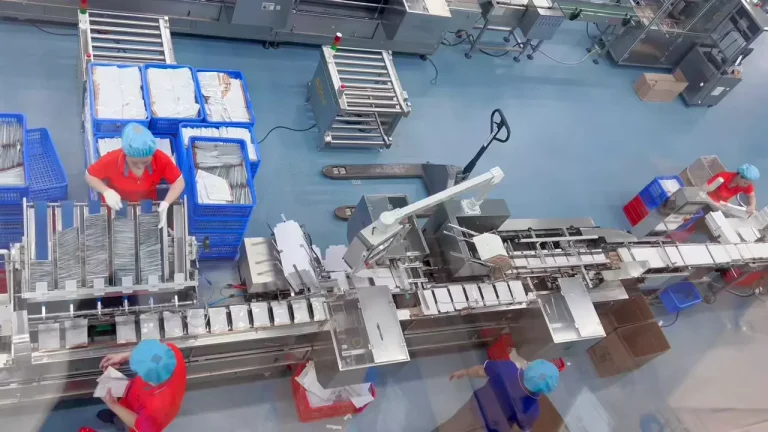
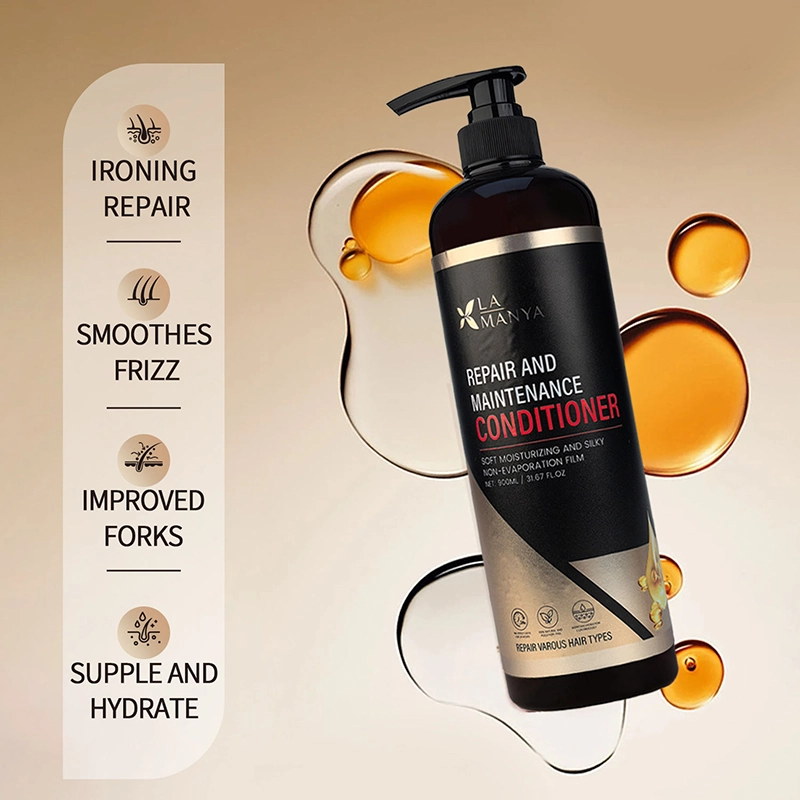
We have operated a 50,000 square meter GMPC facility in Guangzhou for 16 years, with more than 100 production lines and a daily output of 500,000 units. Our formulation library holds over 5,000 formulas, and our standard qualification process includes the no-animal-testing declarations above, third-party test reports, and ISO 22716 GMP documentation. Our quality team keeps raw material supplier files so every cruelty free claim can be traced to an ingredient lot.
A recent project illustrates the workflow. An Australian brand wanted a plant-based shampoo with a cruelty free claim for a national pharmacy chain. We selected a formula from our library that used only non-animal-derived ingredients, collected supplier affidavits for each raw material, ran the microbiology panel, heavy metals testing, and a three-month accelerated stability study, and coordinated an HRIPT with a human-volunteer laboratory for the claim file. The documentation pack was delivered in the eighth week, and the brand launched on schedule.
Our standard MOQ is 5,000 pieces per SKU, tiered pricing begins above 20,000 pieces, and free samples are available for evaluation. We sign NDAs before sharing formulation details and provide compliance support for EU, US, and other market requirements as part of the turnkey service.
Procurement Checklist and Red Flags
Before you sign, confirm the following: the factory shares its written no-animal-testing policy and supplier affidavits; certification certificates are current and cover your product categories; finished product safety testing uses non-animal methods; batch records include the cruelty free commitment; and the agreement defines what happens if a new raw material source cannot provide a no-animal-testing declaration.
Treat these signals as red flags: a supplier that prints a bunny logo but cannot name its certification program; a factory that outsources irritation testing to an animal-testing laboratory; a supplier that refuses to show raw material declarations; an expired certification; or a sales team that cannot explain the difference between vegan and cruelty free. A genuine program answers these questions without hesitation.
Frequently Asked Questions
1. What certifications should a cruelty free shampoo supplier hold?
The most widely accepted is Leaping Bunny, which requires a full supply chain audit and a fixed cutoff date. PETA’s Beauty Without Bunnies is also recognized by retailers. Confirm GMP certification such as ISO 22716 and destination-market registration in parallel.
2. What is the difference between cruelty free and vegan shampoo?
Cruelty free means no animal testing was conducted on the product or its ingredients. Vegan means no animal-derived ingredients were used. A product can be one without the other, so confirm both separately if your positioning requires them.
3. Does cruelty free mean no animal testing anywhere in the supply chain?
For certified programs such as Leaping Bunny, yes: the standard covers the finished product, every raw material, and third parties acting on the brand’s behalf, with a fixed cutoff date. Uncertified claims may cover only the finished product, which is why certification matters.
4. Can I sell cruelty free shampoo in China without animal testing?
Ordinary cosmetics imported into China are exempt from mandatory animal testing under current rules, and many export-oriented factories now operate without commissioning animal tests. Confirm the testing status of your formula and destination channel before signing.
5. How do I verify a cruelty free shampoo manufacturer’s claims?
Request the written no-animal-testing policy, raw material supplier declarations, current certification certificates, and non-animal safety test reports. Verify certificates against the certifying body’s database, and audit the laboratory methods on a factory visit. Documentation that cannot be traced to ingredient lots is not sufficient.
Contact us today to request free samples and a customized quotation for your next hair care product line.
For the full picture on this category, start with Vegan Private Label Hair Products: Certifications, Formulation, and Supplier Vetting for B.
Adjacent briefs worth reading together: Sulfate Free Shampoo Manufacturer: A Complete Guide for Private Label Buyers, The Definitive Guide to Choosing a Sulfate Free Shampoo Manufacturer for Your Brand, Private Label Vegan Shampoo: Sourcing, Formulation, and Supplier Selection for Buyers.
If you are comparing what a factory already produces, review our existing shampoo and scalp care formulations.