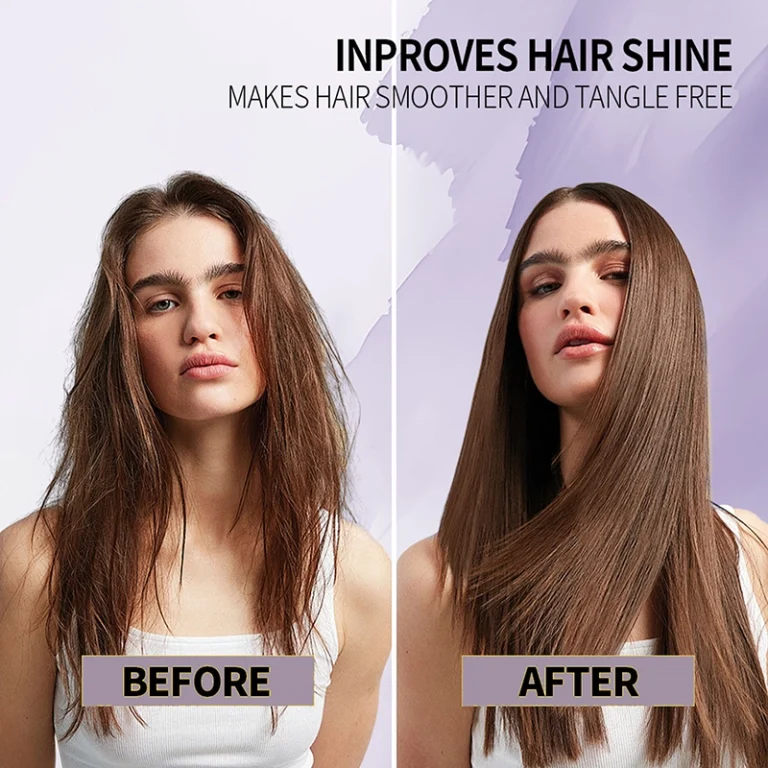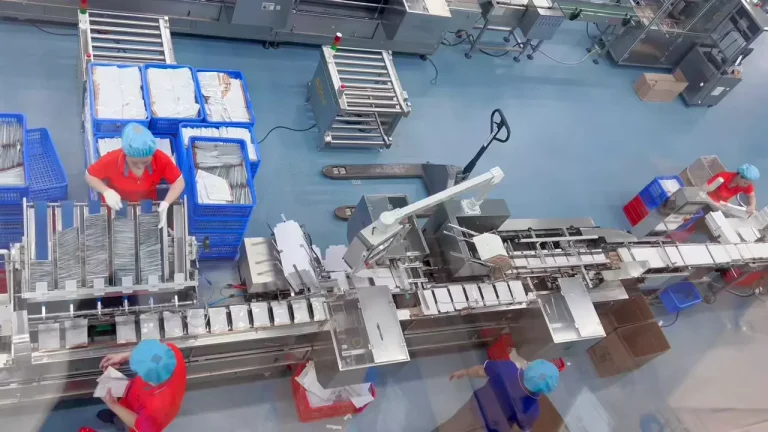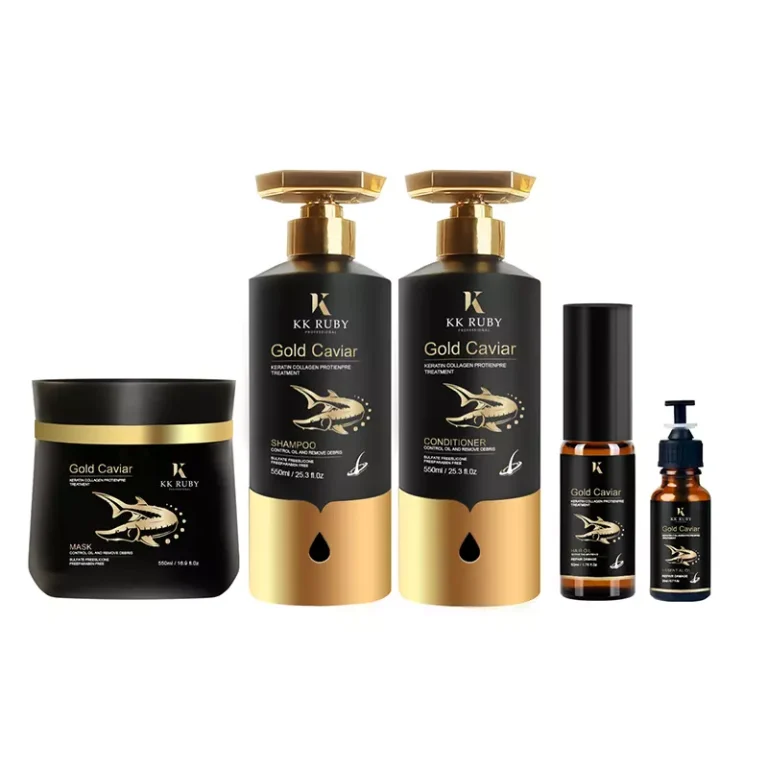
For procurement managers entering the hair care market, few factors carry more financial weight than the minimum order quantity set by their manufacturing partner. When evaluating a private label shampoo manufacturer moq, that number directly affects your initial investment, cash flow, inventory risk, and per-unit cost. Understanding how manufacturers determine their order minimums — and how to negotiate within them — can mean the difference between a profitable product launch and a costly mistake. In this article, we break down everything you need to know about private label shampoo manufacturer moq structures, including industry benchmarks, pricing mechanics, and actionable strategies for first-time and scaling buyers.
What Does MOQ Mean in Private Label Shampoo Manufacturing?
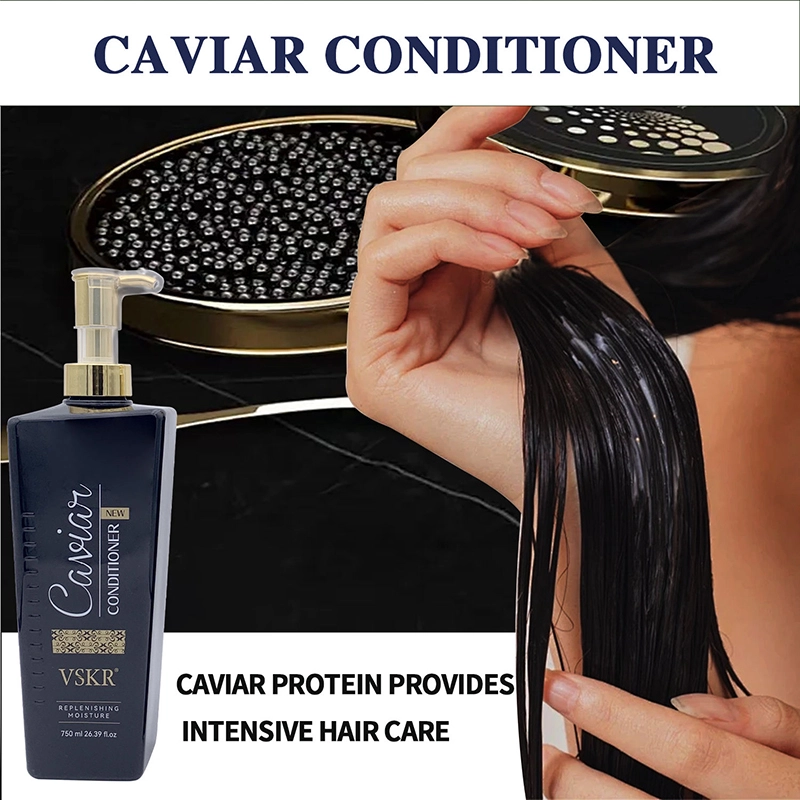
MOQ stands for Minimum Order Quantity — the smallest volume a manufacturer will produce for a single SKU in one production run. For a private label shampoo manufacturer moq, this minimum exists because each batch requires raw material procurement, formula preparation, production line setup, quality testing, and packaging procurement. These fixed costs are substantial regardless of batch size. When a private label shampoo manufacturer moq is set at 5,000 units per SKU, it reflects the economics needed to maintain quality standards, ingredient traceability, and competitive unit pricing. This differs fundamentally from wholesale distribution, where you purchase from existing stock. In private label manufacturing, every unit is produced for your brand, making the private label shampoo manufacturer moq a critical planning factor.
Typical MOQ Benchmarks Across the Industry
MOQ requirements vary across the contract manufacturing landscape. Large-scale manufacturers set MOQs at 10,000 to 30,000 units per SKU. Mid-size factories operate in the 3,000 to 10,000 range. Smaller manufacturers may accept 1,000 to 3,000 units. As a private label shampoo manufacturer moq that balances accessibility with efficiency, we set our standard at 5,000 units per SKU. Operating a 50,000-square-meter GMPC-certified facility with over 100 production lines and a daily output of 500,000 units, this MOQ lets us source premium raw materials, run full quality protocols, and offer customization — fragrance selection, active ingredient dosage, and packaging design. Buyers who need flexibility can leverage our tiered pricing, which rewards larger volumes with lower per-unit costs while keeping the base private label shampoo manufacturer moq accessible.
How MOQ Directly Impacts Your Per-Unit Cost
The relationship between MOQ and unit price is straightforward: higher quantities lower the cost per unit. Fixed costs — formula development, mold creation, stability testing, and production setup — are distributed across more units as batch size increases. When you partner with a private label shampoo manufacturer moq that offers transparent tiered pricing, you can model these economics before committing. At the standard private label shampoo manufacturer moq of 5,000 units, per-unit cost might be $1.80. At 10,000 units, it drops to $1.35 — a 25% savings. At 20,000 units, cost reduces to approximately $1.10. This tiered approach is standard practice. We offer pricing across 20,000+ units to support brands at every stage. The key is finding the sweet spot where inventory carrying costs do not outweigh per-unit savings. Most procurement managers start at the base private label shampoo manufacturer moq, validate demand, then scale to higher tiers on reorder.
Strategies for Buyers Working Within MOQ Constraints
If you are a new brand or testing a product category, meeting a private label shampoo manufacturer moq can feel daunting. Several strategies exist to manage this challenge effectively.
Consolidate your SKU portfolio. Instead of launching five variants simultaneously, launch one or two best-concept products. Use the savings to order higher volumes, fully leveraging the private label shampoo manufacturer moq structure.
Explore tiered pricing programs. Our 20,000+ tiered pricing lets you order a single SKU at higher volume for better per-unit pricing while keeping other products low.
Request trial batches first. Before committing to the full private label shampoo manufacturer moq, ask about sample batch production. We offer NDA-backed trial runs for stability testing and market validation.
Optimize your packaging. Custom bottle molds drive MOQ requirements upward. Using stock packaging with custom labels can reduce the minimum required by any private label shampoo manufacturer moq structure.
Time your orders strategically. Grouping multiple product concepts into a single production window can reduce aggregate MOQ commitments. Discuss scheduling flexibility early in the negotiation process with your private label shampoo manufacturer moq partner.
Detailed Example: Launching a Brand with MOQ Strategy
Consider a real procurement scenario. A European skincare company wanted to enter the hair care market with two private label shampoo SKUs — a sulfate-free daily shampoo and a caffeine-infused scalp treatment. The procurement manager’s budget was $18,000. Meeting the base private label shampoo manufacturer moq of 5,000 per SKU for two products would require approximately $17,000 (5,000 × 2 × $1.70). This left almost no margin for packaging, logistics, or customs. We proposed an alternative: launch one SKU at 10,000 units instead of two at 5,000. The 10,000-unit tier reduced per-unit cost to $1.35, bringing the total to $13,500. The remaining $4,500 covered packaging and logistics. After six months, the brand sold through 65% of inventory with strong reorder rates. They placed a second order for both SKUs at higher volume tiers. Total cost for the two-SKU launch was lower than the original plan, and inventory risk was halved. This case illustrates why the full economics behind a private label shampoo manufacturer moq — not just the number — is essential for procurement decisions.
Beyond MOQ: Other Factors That Affect Your Order Economics
While the private label shampoo manufacturer moq is a critical starting point, evaluate related factors when comparing partners. Formulation complexity affects pricing — preservative systems, active ingredients, and fragrance oils each carry costs that scale with batch size. Packaging types — bottles, pumps, labels, cartons — each have their own minimums that compound with the production MOQ. Testing requirements, including stability testing and heavy metal screening, are typically included in MOQ pricing but may carry additional costs for specialized certifications. Shipping for cross-border procurement adds 10–20% to landed cost. A transparent private label shampoo manufacturer moq partner provides a complete cost breakdown covering all these elements.
How to Evaluate a Manufacturer’s MOQ Policy
When assessing a potential private label shampoo manufacturer moq offering, ask these specific questions. First, is the MOQ per SKU or per production run? Some allow mixed-SKU runs with a collective minimum. Second, does the MOQ include packaging or is it separate? A manufacturer handling packaging internally typically offers more integrated private label shampoo manufacturer moq pricing. Third, what is the lead time at the stated MOQ? Faster cycles reduce inventory carrying cost. Fourth, are there reorder incentives? We offer reduced MOQs or better pricing for repeat orders. Fifth, is the MOQ flexible under an NDA? We routinely structure initial orders that validate product-market fit before scaling to full MOQ commitments. With 16 years of experience and 5,000+ formulations, we tailor each private label shampoo manufacturer moq arrangement to fit the brand’s entry strategy.
Conclusion
Understanding private label shampoo manufacturer moq is essential for any procurement manager developing a hair care brand. The MOQ affects your investment, unit economics, inventory strategy, and timeline. By choosing a partner that offers transparent tiered pricing, flexible trial options, and consultative support, you can launch with confidence and scale efficiently. Our 16 years as a private label shampoo manufacturer moq specialist — with a 50,000㎡ facility, 100+ production lines, and 5,000+ proven formulations — positions us to serve brands at every stage, from first-time launches to established lines requiring millions of units annually.
Frequently Asked Questions
1. What is the standard MOQ for private label shampoo manufacturing?
The standard private label shampoo manufacturer moq typically ranges from 3,000 to 10,000 units per SKU. Our standard MOQ is 5,000 units per SKU, which allows us to offer competitive pricing while maintaining full quality assurance and customization.
2. Can I order below the stated MOQ as a new brand?
Many manufacturers offer flexibility for new brand launches under NDA. We provide trial batch production and sample runs before committing to the full private label shampoo manufacturer moq. Contact us to discuss your specific volume requirements.
3. How does MOQ affect per-unit pricing?
Higher order volumes reduce per-unit cost because fixed costs are distributed across more units. At our standard private label shampoo manufacturer moq of 5,000 units, pricing is competitive. At 10,000 units, per-unit cost drops approximately 25%. At 20,000 units, savings exceed 35%.
4. Does MOQ include packaging?
Our private label shampoo manufacturer moq pricing includes standard packaging procurement. Custom molds or premium labeling may have separate minimums. We provide a complete breakdown covering formulation, production, and packaging for each project.
5. What if I need to reorder at a lower volume?
Repeat order terms differ from initial MOQ requirements. We offer reduced private label shampoo manufacturer moq options for established customers and provide reorder pricing incentives. Contact our team to discuss your specific volume needs.
Contact us today to request free samples and a customized quotation for your next hair care product line.
For the full picture on this category, start with Custom Shampoo Manufacturing Minimum Order: What Buyers Need to Know Before Sourcing.
Adjacent briefs worth reading together: How Low MOQ Shampoo Wholesale Suppliers Help Brands Enter the Market Faster, Private Label Shampoo Manufacturer MOQ: A Complete Guide for Procurement Professionals, The Strategic Advantage of a Low MOQ Shampoo Wholesale Supplier for Brand Owners.
If you are comparing what a factory already produces, review our OEM and ODM service workflow.