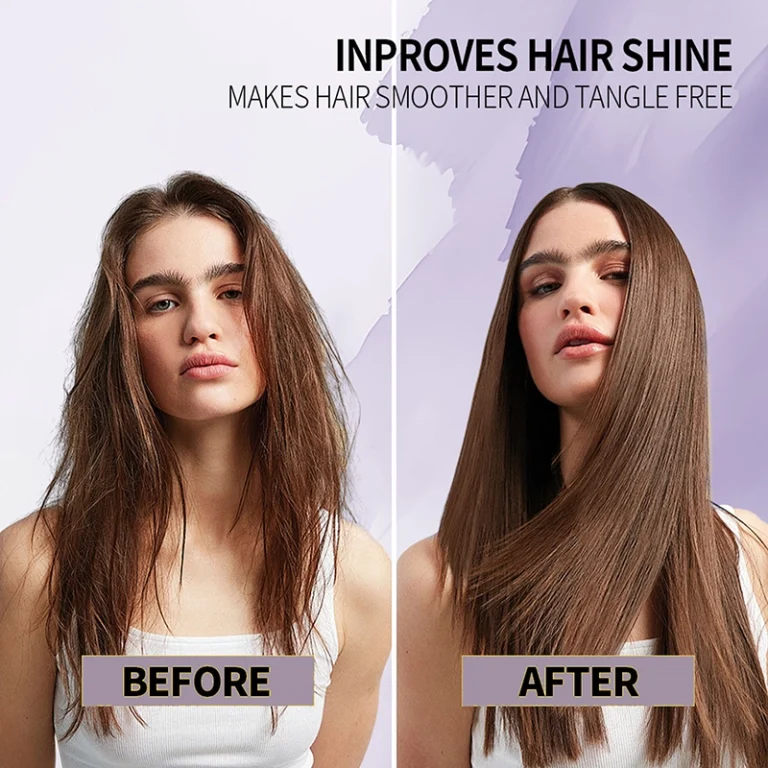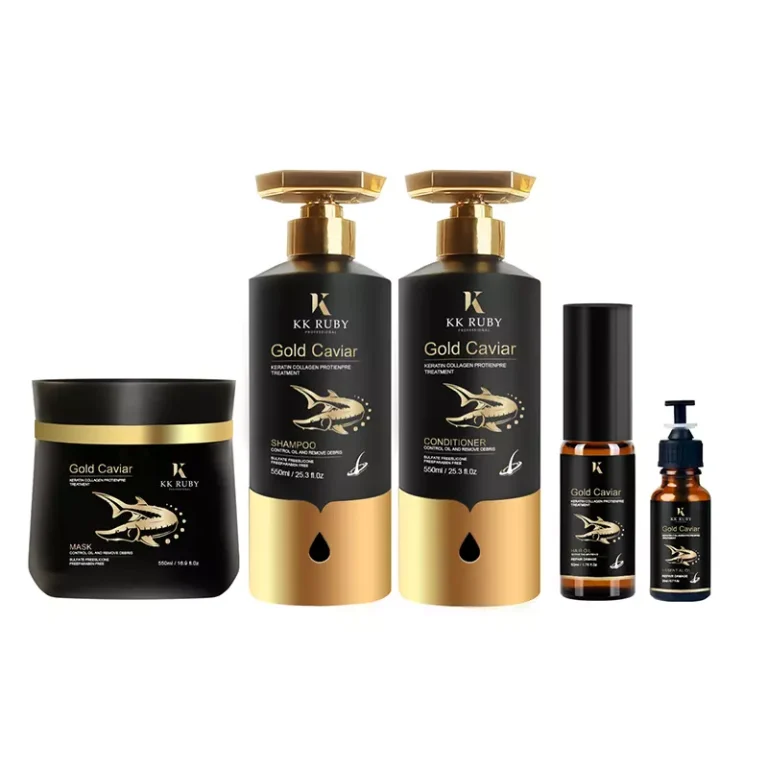
The global salon-grade and retail hair color market is experiencing a massive paradigm shift. Driven by clean beauty trends and rising consumer awareness regarding scalp health, the demand for ammonia-free hair dye has surged exponentially. Today’s consumers are no longer willing to tolerate the harsh chemical odors, scalp irritation, or hair damage historically associated with traditional permanent hair color.
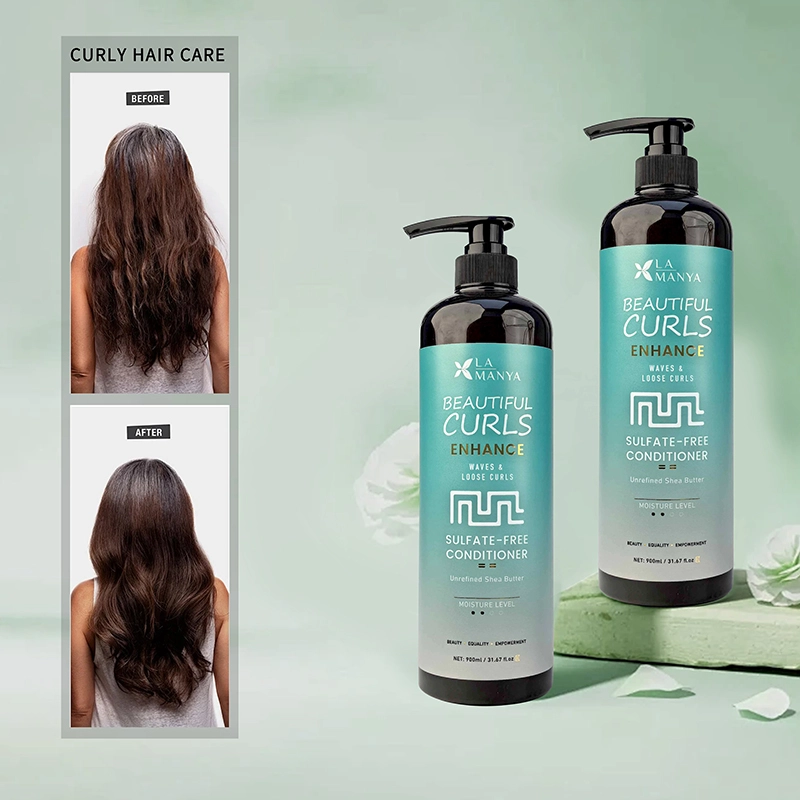
For beauty brands, salon chains, and entrepreneurs looking to capture this lucrative market, the choice of a manufacturing partner is the single most critical factor determining your success. A substandard supplier can lead to inconsistent color results, regulatory roadblocks, or worse—damaged brand reputation.
This comprehensive guide breaks down the precise criteria, industry benchmarks, and hidden red flags you need to consider when choosing a reliable ammonia-free hair dye supplier
Why the Shift to Ammonia-Free Formulations Demands Advanced Manufacturing
To evaluate a supplier effectively, you must first understand why manufacturing ammonia-free hair dye is vastly more complex than standard formulations.
Traditional hair dye relies on ammonia ($NH_3$) to swell the hair cuticle and allow color pigments to penetrate deep into the cortex. In ammonia-free formulations, chemical substitutes like Monoethanolamine (MEA), Aminomethylpropanol (AMP), or innovative oil-delivery systems (ODS) are used instead.
The Technical Challenge: Replacing ammonia requires highly precise chemical balancing. If a manufacturer lacks advanced Research & Development (R&D) expertise, the resulting product may either fail to cover gray hair effectively or result in rapid color fading.
Therefore, you cannot treat an ammonia-free hair color supplier as a generic cosmetics manufacturer. They must possess specialized hair-care chemical expertise.
5 Key Criteria for Evaluating a Hair Dye Supplier
When auditing potential B2B manufacturing partners, use these five pillars to benchmark their capabilities:
1. R&D Capabilities and Custom Formulation Flexibility
A world-class OEM/ODM supplier doesn’t just copy standard formulas; they innovate. Your brand needs unique selling propositions (USPs) to stand out. Look for factories that offer:
- Custom Shade Matching: The ability to develop precise custom color charts matching global trends (e.g., European, Asian, or African hair textures).
- Botanical & Nourishing Additives: Can they successfully infuse organic ingredients like Argan oil, Keratin, or herbal extracts into the base without compromising color efficacy?
- Stability and Compatibility Testing: Ensure the factory conducts thorough thermal and microbiological stability testing so your products achieve a shelf life of at least 2–3 years.
2. International Compliance and Certifications
The cosmetics industry is heavily regulated. If you plan to scale your brand internationally (or sell on platforms like Amazon), your supplier’s facility must meet rigorous global compliance standards.
| Certification | What It Means | Why It Matters for Your Brand |
| GMPC / ISO 22716 | Good Manufacturing Practices for Cosmetics | Guarantees cleanroom environments, strict sanitation, and complete batch traceability. |
| FDA Compliant | Alignment with US Food & Drug Administration rules | Crucial for legally entering the North American market without custom seizures. |
| CE / REACH | European Union safety compliance standards | Mandatory for distribution in European markets, covering chemical ingredient safety. |
| HALAL / Vegan | Specialized lifestyle & ethical certifications | Expands your market reach to high-growth, conscious consumer demographics. |
3. Raw Material Sourcing and Traceability
The quality of an ammonia-free hair dye is entirely dependent on the purity of its raw ingredients. Inquire where the supplier sources their color pigments, alkaline substitutes, and botanical conditioning agents. Reliable factories partner with global chemical leaders (such as BASF, Dow, or Ashland) and provide a Material Safety Data Sheet (MSDS) and a Certificate of Analysis (COA) for every single batch of raw material used.
4. Production Capacity and Scalability
Your supplier must be able to grow alongside your business. A factory that struggles to meet sudden high-volume demands during peak seasons will cause stockouts, destroying your retail relationships.
- Daily Output: Ask about their daily filling and packaging capacity for aluminum tubes or plastic bottles.
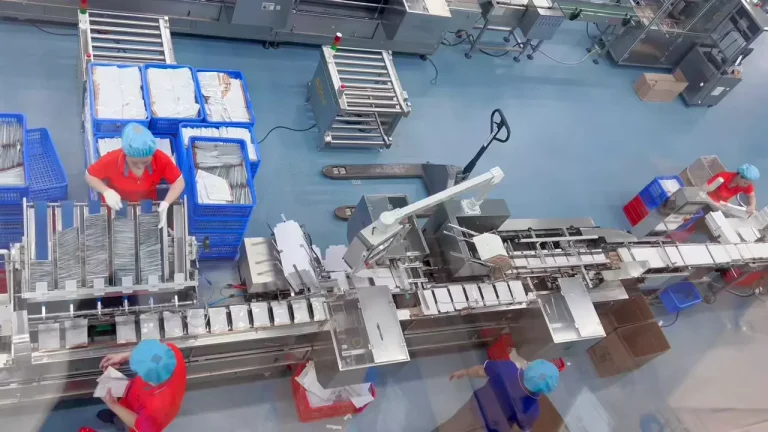
- Automation Levels: Highly automated factories reduce human error, ensure exact filling weights, and keep lead times stable.
5. Transparent Minimum Order Quantities (MOQs)
For emerging brands, high MOQs can be a massive barrier to entry. Look for a partner who offers reasonable, flexible MOQs for initial launch batches, with a clear path to lower per-unit costs as your order volume scales up.
Step-by-Step Guide to Vetting a New Manufacturing Partner
Vetting a factory requires a systematic approach. Do not skip steps, and do not rely solely on email communications. Follow this proven B2B procurement workflow:
1.Initial Document Audit:Step 1。
Request copies of their ISO/GMPC certificates, business licenses, and a full catalog of existing stock formulations. Verify their registration details to ensure they are a direct factory and not a trading broker.
2.Sample Testing & Lab Evaluation:Step 2。
Order samples of their stock ammonia-free formulas. Conduct real-world salon tests on hair swatches and human models. Evaluate gray coverage, application odor, scalp comfort, and color longevity after 20+ washes.
3.On-Site or Virtual Factory Inspection:Step 3。
Visit the factory production facility. If geographical constraints apply, schedule a live video audit. Inspect their R&D laboratory, quality control (QC) testing stations, and raw material warehouses.
4.Contract and SLA Negotiation:Step 4。
Finalize contractual terms, specifically focusing on guaranteed lead times (typically 25–45 days for OEM orders), defect rate tolerances, and clear intellectual property (IP) protection clauses for custom formulations.
Crucial Red Flags to Watch Out For
During your communication phase, keep an eye out for these clear indicators of an unreliable manufacturer:
- Evasive Answers Regarding Ingredients: If a supplier refuses to provide a full ingredient list or downplays the presence of potential allergens like PPD (Paraphenylenediamine) or Resorcinol, they are exposing your brand to massive legal liabilities.
- Unusually Low Prices: If a quote seems drastically lower than the market average, the supplier is likely cutting corners by using cheap, unstable industrial pigments instead of cosmetic-grade colorants. This can result in erratic color shifts or chemical burns on the consumer’s scalp.
- Poor Communication and Delayed Responses: In the B2B supply chain, time is money. If a sales representative takes a week to answer simple technical questions during the sales phase, their communication will only worsen once they receive your deposit.
Conclusion: Partnering for Long-Term Brand Success
Choosing the right ammonia-free hair dye manufacturer is not merely about finding the lowest cost per tube. It is about establishing a strategic partnership rooted in trust, technical competence, and shared growth. By prioritizing factories with robust R&D, strict international compliance, and transparent QC processes, you safeguard your brand equity and position your product line at the forefront of the highly profitable clean haircare revolution.
Ready to Elevate Your Haircare Brand?
Partner with an industry leader dedicated to premium, safe, and vibrant ammonia-free color formulations. Contact our B2B OEM/ODM specialist team today to request custom lab samples, discuss packaging options, and receive a tailormade quote for your brand launch.
For the full picture on this category, start with Choosing the Right Ammonia Free Hair Dye Supplier for Your Hair Care Brand.
Adjacent briefs worth reading together: Efficiency and Vibrancy: The Rise of Polar Hair Dye Shampoo, The Ultimate Buyer’s Guide: Choosing the Best Herbal Hair Dye Factory in China.
If you are comparing what a factory already produces, review our OEM and ODM service workflow.