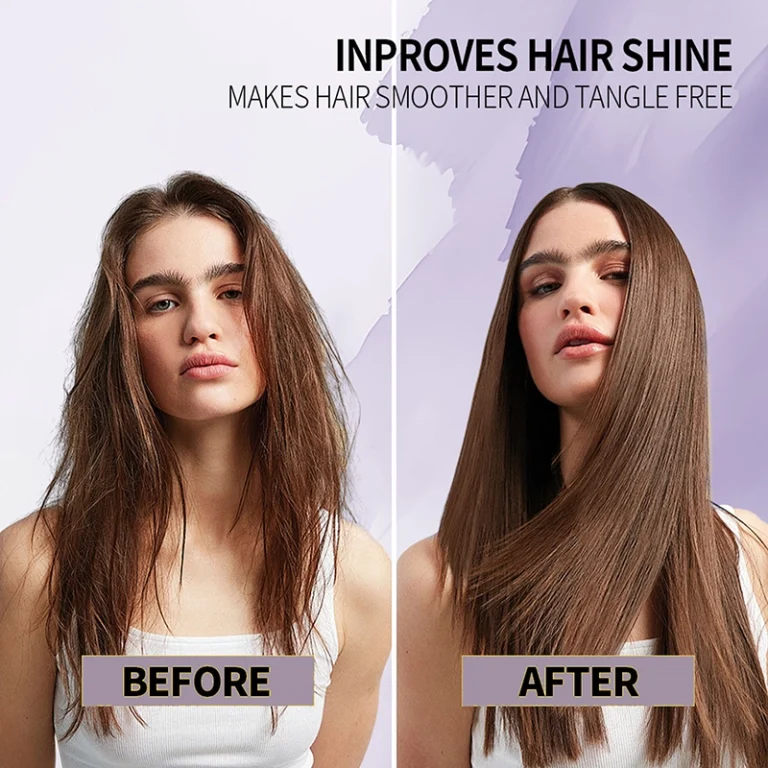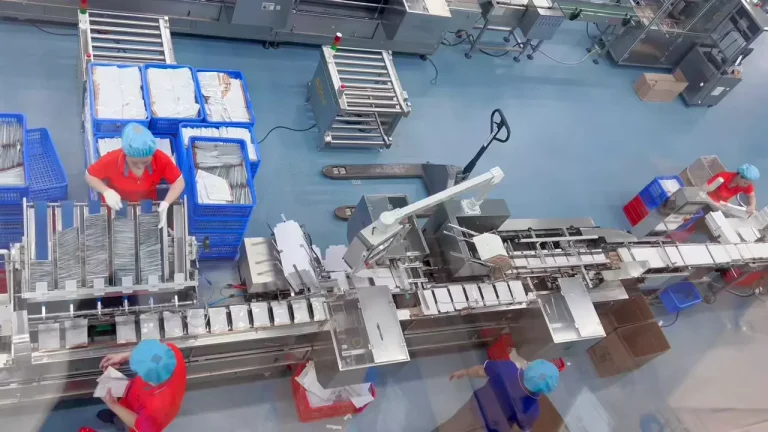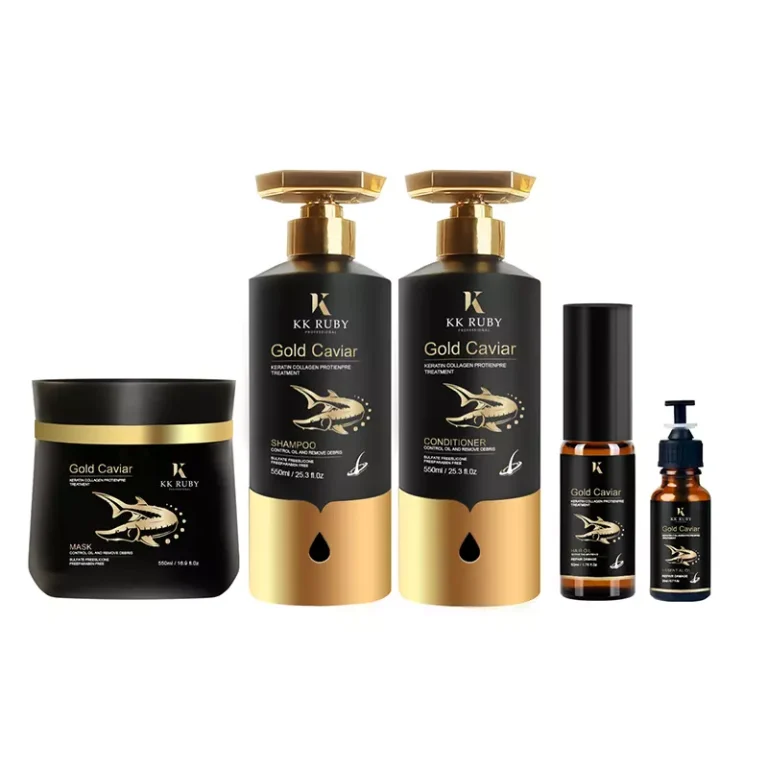
When planning a private label hair care line, one of the first questions procurement managers ask concerns the custom shampoo formulation cost. Unlike off-the-shelf white label options, custom formulations require dedicated research and development, raw material sourcing, stability testing, and production setup. Understanding how these cost components are structured helps buyers budget accurately and negotiate with contract manufacturers.
This guide breaks down every factor that influences the investment for a custom formulation project, provides real-world pricing ranges, and explains how experienced manufacturers structure their fees. Whether you are launching a sulfate-free shampoo, a caffeine-infused scalp treatment, or an organic formula, this information will help you make informed procurement decisions.
What Is Custom Shampoo Formulation?
Custom shampoo formulation is the process of developing a unique hair wash product from concept through to finished batch. Unlike private label programmes where you select from existing formulas, custom formulation involves creating a proprietary recipe tailored to your brand’s target audience, hair type concerns, and ingredient philosophy. This level of customisation gives your brand a distinct market identity that cannot be replicated by competitors using the same white label base.
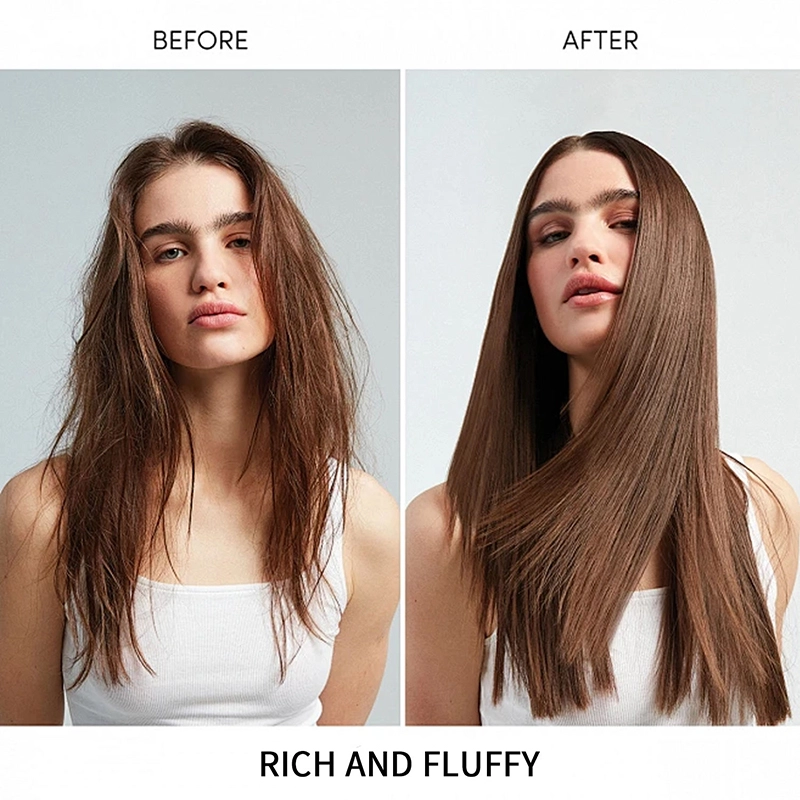
The total investment for development covers several distinct phases: initial consultation and brief development, laboratory formula creation, raw material procurement and compatibility testing, stability and preservative efficacy testing, packaging compatibility trials, and scale-up from bench to production batches. Each phase has its own cost drivers, which we examine below.
Key Factors That Determine Formulation Investment
1. Ingredient Selection and Sourcing
The single largest variable in any formulation project is the ingredient list. Commodity surfactants such as sodium laureth sulfate (SLES) and cocamidopropyl betaine cost significantly less than specialty alternatives like sodium cocoyl isethionate (SCI) or decyl glucoside. Similarly, botanical extracts, essential oils, and active ingredients such as biotin, caffeine, or ketoconazole add to both raw material expense and formulation complexity. The choice between synthetic and natural preservatives also affects the final cost structure.
For example, a basic daily-use shampoo using standard surfactants might cost USD 3–5 per kilogram in raw materials, while a premium sulfate-free formula with organic botanical infusions can reach USD 12–18 per kilogram. Manufacturers quote development fees based on the ingredient profile you require, so defining your target price point early helps keep the custom shampoo formulation cost within budget.
2. Formula Complexity and R&D Hours
Simple adjustments to an existing base formula—such as changing fragrance or colour—require less laboratory time than developing a completely new surfactant system. A straightforward modification might involve 8–12 hours of R&D work, while a ground-up project can require 40–80 hours. At typical contract manufacturer rates of USD 80–150 per hour for laboratory services, this difference directly impacts the custom shampoo formulation cost.
3. Stability and Efficacy Testing
Every custom formula must pass stability testing (heat–cold cycling, long-term shelf life, light exposure) and preservative efficacy testing (challenge test). These tests are mandated under cosmetic GMP guidelines and typically take 4–12 weeks. Testing fees range from USD 500–2000 depending on scope and the number of variants being tested. Including these in your development budget is essential because skipping or rushing testing compromises product safety and regulatory compliance, which can lead to costly recalls later.
4. Minimum Order Quantity (MOQ)
Manufacturers often bundle development fees with production MOQ commitments. A factory charging a lower upfront formulation fee may require a higher MOQ to recoup R&D investment. Conversely, factories offering lower MOQ thresholds typically include development cost in a slightly higher per-unit price. Understanding this trade-off is essential when comparing total project costs across different suppliers. At our facility, we offer tiered pricing with MOQ starting from 3000 units per SKU, allowing emerging brands to access custom formulations without excessive upfront commitments.
Typical Cost Breakdown for a Custom Formulation Project
Based on our 16 years of experience as a Guangzhou-based OEM manufacturer operating 100+ production lines across a 50,000㎡ GMPC-certified facility with over 5000 formulations in our library, here is a realistic cost breakdown for a custom shampoo formulation project:
| Cost Component | Estimated Range (USD) |
|---|---|
| Initial consultation and brief development | 200–500 (often waived with production order) |
| Laboratory formula creation (bench work) | 800–3000 |
| Raw material procurement (small batch for R&D) | 200–600 |
| Stability testing (12-week protocol) | 500–1200 |
| Preservative efficacy challenge test | 300–800 |
| Packaging compatibility trial | 200–500 |
| Scale-up and first production batch overhead | 500–1500 (absorbed into MOQ unit pricing) |
| Total estimated project cost | USD 2500–8000 |
Note that many established manufacturers, including our factory, waive or reduce the upfront formulation fee when you commit to a production order. This is common practice, and the total custom shampoo formulation cost should be evaluated as a package—development plus production unit pricing—rather than each fee in isolation.
How to Reduce Your Custom Shampoo Formulation Cost
Procurement managers can reduce the custom shampoo formulation cost through several practical strategies:
Start with a specific brief. Vague requests extend R&D hours because the lab must explore multiple directions. A brief specifying pH 5.5, sulfate-free, with 0.5% salicylic acid for dandruff control shortens development time and lowers laboratory fees.
Use existing formulation platforms. Most manufacturers maintain a library of proven base formulas. Customising within these platforms—adjusting active ingredients, changing fragrance, modifying colour—costs significantly less than creating a formula from scratch. At our facility, adapting an existing base typically costs 40–60% less than full development.
Consolidate multiple SKUs. Developing several shampoo variants as a family (same base with different active add-ons) reduces per-SKU development costs because foundational R&D is shared across the product line. This approach can reduce total investment by 20–30% compared to developing each variant independently.
Negotiate bundled services. Some manufacturers unbundle fees while others offer turnkey packages. A bundled approach often reduces total project cost by 10–15% compared to paying for each service separately. Ask your manufacturer whether formulation, testing, and packaging design can be consolidated into a single project fee.
What You Get for Your Formulation Investment
Paying for custom formulation is not simply a cost—it is an investment in brand differentiation. A proprietary formula cannot be copied by competitors, protecting your market position and pricing power. A well-developed formula with validated stability and efficacy reduces the risk of product recalls, customer complaints, and regulatory fines.
When evaluated from a total cost of ownership perspective, the development expense represents a small fraction of your brand’s go-to-market spend and delivers significant value in product uniqueness and quality assurance. Most brands recoup their formulation investment within the first production run, given the margin advantage of proprietary products over commoditised alternatives.
One term worth understanding is tiered pricing, which refers to offering lower per-unit costs as order volume increases. For example, a manufacturer might quote USD 2.80 per unit for 5000 units, USD 2.40 for 10,000, and USD 1.95 for 20,000. Tiered pricing is standard in OEM arrangements and allows growing brands to scale production economically.
Frequently Asked Questions
1. How long does the custom shampoo formulation process take?
A typical project takes 8–16 weeks from brief to production-ready batch, depending on complexity and testing requirements. Simple modifications can be completed in 4–6 weeks, while entirely new formulations with full stability protocols require 12–16 weeks.
2. Can I get a refund if I don’t like the final formula?
Reputable manufacturers do not offer refunds on formulation R&D because laboratory time and raw materials are non-recoverable. However, most factories provide two to three revision rounds within the quoted fee. Review formula samples and request sensory evaluation before committing to full-scale production.
3. Does the formulation fee include packaging design?
No, the formulation fee covers the liquid product only. Packaging selection, bottle mould development, label artwork, and carton design are separate scopes. Some manufacturers offer coordinated turnkey services including packaging sourcing, which can be more cost-effective than managing vendors separately.
4. How do costs compare between Chinese and Western manufacturers?
Chinese manufacturers typically offer lower development fees (USD 2000–5000 total project cost) compared to European or North American counterparts (USD 5000–15,000), due to lower laboratory labour costs and efficient supply chains. However, buyers should evaluate GMP certifications, testing protocols, and export experience rather than price alone.
5. What information should I prepare to get an accurate quote?
To receive a precise quote, prepare: target hair type and concerns, preferred ingredient profile (sulfate-free, organic, hypoallergenic, etc.), desired fragrance and colour preferences, packaging format (bottle size, dispenser type), target retail price point, estimated annual order volume, and any regulatory markets you plan to enter (EU, US, ASEAN).
Get a Custom Quote for Your Formulation Project
Every brand’s formulation needs are unique. Contact us today to request free samples and a customized quotation for your next hair care product line. Our team will review your brief, recommend the most cost-effective development path, and provide a detailed custom shampoo formulation cost breakdown within two business days.
For the full picture on this category, start with Custom Shampoo Manufacturing Minimum Order: What Buyers Need to Know Before Sourcing.
Adjacent briefs worth reading together: The True Cost of Private Label Shampoo Manufacturing: A Complete Breakdown, How Low MOQ Shampoo Wholesale Suppliers Help Brands Enter the Market Faster, Private Label Shampoo Manufacturer MOQ: A Complete Guide for Procurement Professionals.
If you are comparing what a factory already produces, review our OEM and ODM service workflow.