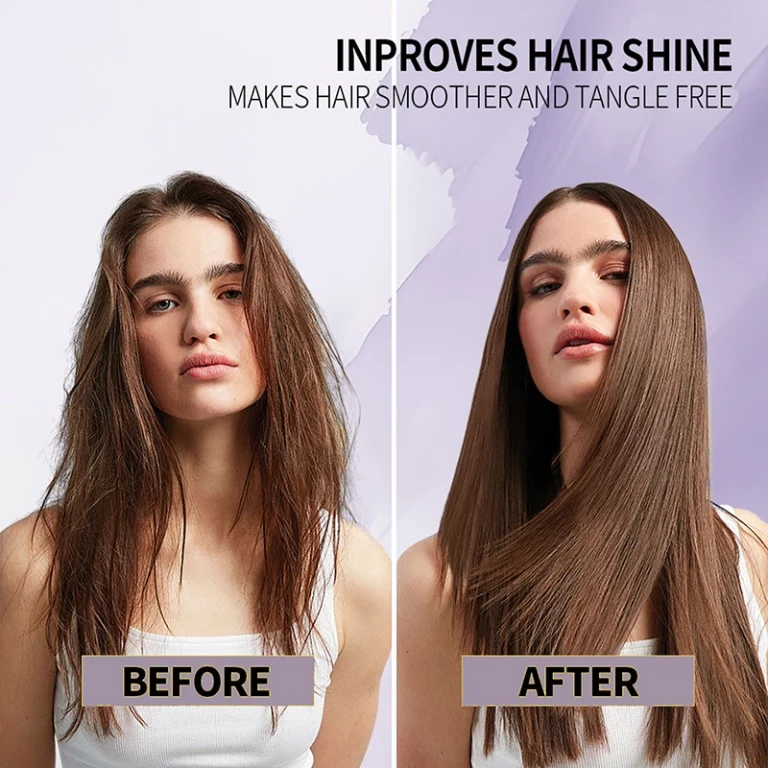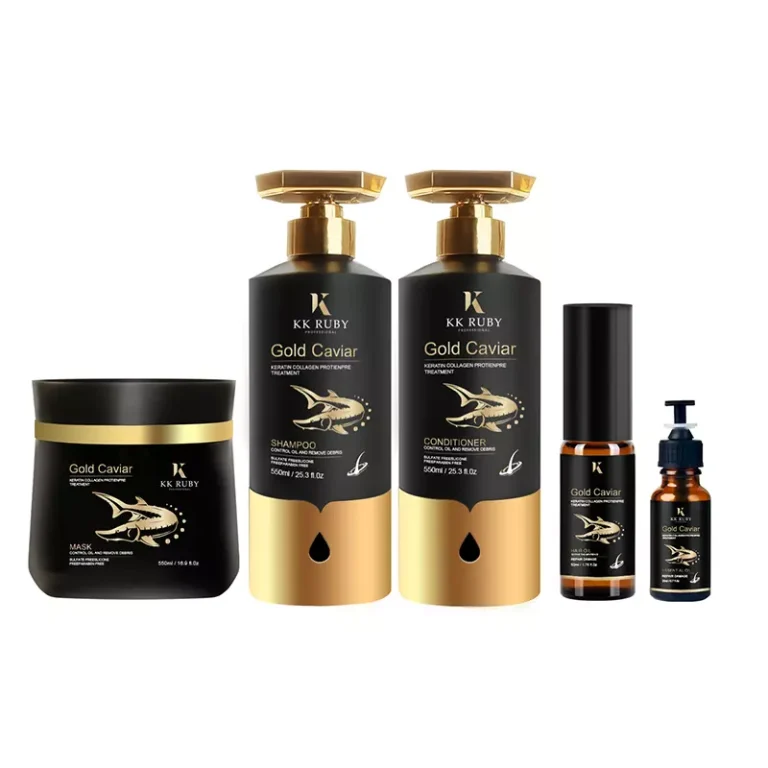
Peptide serums sit at the top of many premium hair care ranges, and they are also where supplier briefs most often go wrong. A peptide hair serum manufacturer can hand you a formula and a sample bottle inside two weeks. The harder question is whether the peptide is still intact in month six, and whether any sentence printed on your carton can be defended against a regulator or a competitor.
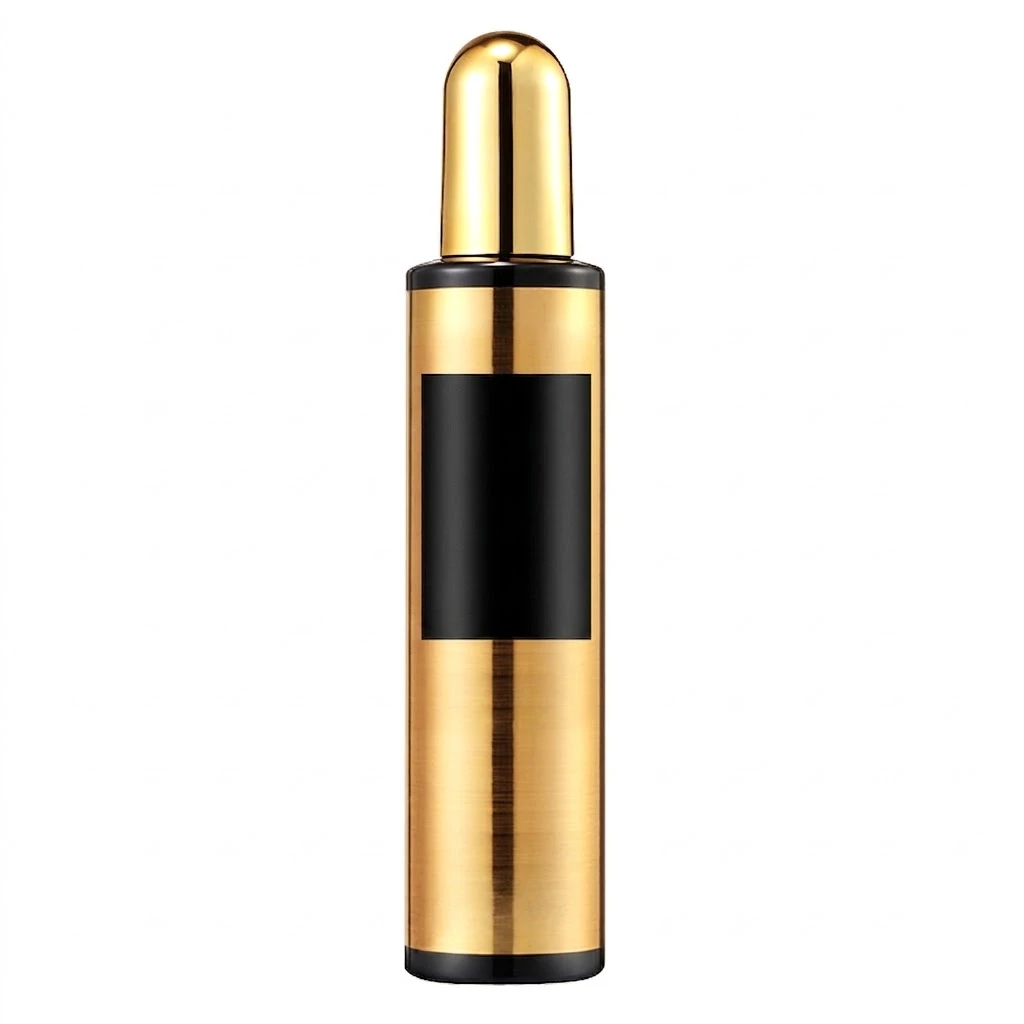
What Buyers Get Wrong About “Peptide” Hair Serum Briefs
The word carries more weight than most of the raw materials behind it. Many briefs we receive ask for “a peptide complex” without naming a single molecule, which usually means the formula is built on hydrolysed wheat or keratin protein. Those proteins have molecular weights in the thousands of daltons. Cosmetic peptides are short amino acid chains, typically three to ten units, and they behave differently in solution, at the interface, and on the hair surface.
The first thing to fix is vocabulary. Ask for the INCI name, the assay percentage of the raw material, and the upstream supplier’s certificate of analysis. A peptide hair serum manufacturer that cannot name its molecule is repackaging a stock base bought in drums.
The second thing is fit. Peptides are among the most expensive line items per litre in a hair care formula. If your target price point sits in the mass market, a peptide serum rarely pays for itself; an amino acid or protein-based repair serum at a third of the actives cost usually serves the same shelf position. Peptides earn their place in premium repair, density, and scalp-positioned lines, where the story matches the price.
A serum is also only one route. If your range is built around rinse-off conditioning, the same actives are often easier to place in a leave-in format — our guide to choosing a leave-in conditioner manufacturer wholesale partner covers how the brief differs. For the wider screening process, including batch records, tooling, and sample lead times, start from how to select a custom hair serum manufacturer for your brand.
Which Peptides Hold Up in a Water-Based Serum?
Serums are mostly water, which is exactly the environment peptides tolerate least well. Three actives do most of the commercial work.
Acetyl tetrapeptide-3
Usually supplied as a dilute solution and paired with Trifolium pratense (red clover) extract, it is the standard choice for products positioned around the appearance of denser, fuller hair. It works best in a mildly acidic base, roughly pH 4.5 to 6.0. Formulators who neutralise a carbomer base too far with sodium hydroxide will push pH past that window and lose actives before the batch is even filled.
Biotinoyl tripeptide-1
A more tolerant molecule, common in leave-on serums and scalp treatments aimed at the appearance of conditioned, less brittle hair. It survives typical humectant-rich bases well and is usually dosed low, which makes it a sensible entry peptide for brands testing the format.
Copper tripeptide-1
Also written GHK-Cu. It is naturally blue, and that colour is your cheapest quality control tool: a batch drifting toward grey or green indicates copper complexation has changed. The pH window is narrow, roughly 5.5 to 6.5, and strong chelators can strip the copper from the peptide. If a supplier proposes EDTA together with copper tripeptide-1, ask what the stability data says rather than accepting the pairing on principle.
Three failure modes worth naming before you brief
- Hydrolysis — accelerated by pH drift at both ends of the scale, and by long hold times in an unstabilised bulk tank.
- Oxidation — driven by peroxides, some oxidising preservatives, and headspace oxygen in a poorly flushed line.
- Microbial degradation — water-rich serums need a preservative system proven in that specific base, not a generic recommendation.
For a copper tripeptide hair serum formulation, the practical answer is a defined peptide serum stability testing package: accelerated storage at 40 °C and 75 % relative humidity for twelve weeks, three freeze-thaw cycles, and assay by HPLC-UV or LC-MS at weeks 0, 4, 8, and 12. Viscosity should be measured with a Brookfield spindle at 25 °C on the same schedule, because a base that thickens during storage will not release a consistent drop. Our earlier piece on actives and dropper bottle selection walks through how the packaging decision interacts with that data.
Building the Serum Base Around the Peptide
Most peptide serums follow the same skeleton: water phase, humectants such as glycerin, propanediol, and butylene glycol, a rheology modifier, a conditioning agent, and a preservative system.
Rheology is where samples most often fail. A neutralised carbomer gives a clean, non-tacky gel; xanthan gum is cheaper but can feel stringy at high use levels. If your line needs a botanical, organic-positioned story, the base logic changes and the documentation expectations rise — the same route we describe for certified organic hair oil and elixir lines.
Two constraints deserve a place in the brief itself.
- Alcohol content. Ethanol above roughly 10 to 15 percent by weight shortens the shelf life of several peptides. If a fast-drying finish is a hard requirement, specify that accelerated data must be produced at the proposed alcohol level, not extrapolated from an alcohol-free base.
- Viscosity target. For a dropper, aim for roughly 1,500 to 4,000 cP at 25 °C so a single drop releases cleanly and does not trail. For a pump or a spray, 8,000 to 12,000 cP holds the actuator behaviour your consumer expects.
Preservative compatibility is the last check before you lock the formula. Phenoxyethanol with ethylhexylglycerin is widely compatible with peptide bases. Strongly oxidising systems are not, and a challenge test to ISO 11930 on the final formula is the only evidence that counts. Whatever you specify, a peptide hair serum manufacturer quoting the project should confirm the alcohol ceiling and viscosity band in writing before the sample is made.
Fill Volumes, Dropper Options and MOQ
Packaging decides as much of the unit economics as the actives do. The table below reflects the formats we run most often for a peptide hair serum private label project.
| Fill volume | Primary pack | Closure | Typical positioning | Manufacturing note |
|---|---|---|---|---|
| 30 ml | amber or frosted glass | glass dropper, silicone bulb | trial and travel size | smallest viable run; limited label area |
| 50 ml | glass | dropper or treatment pump | core retail SKU | best balance of cost and perceived value |
| 60 ml | glass | pump | value and refill packs | needs the higher viscosity band |
| 100 ml | PET or glass | spray pump or disc-top | scalp tonic | sprayer choice changes line fill speed |
Two commercial points follow from that table.
- Minimum order quantity. Our standing figure is 5,000 pieces per SKU, and it is set by the filling and labelling line rather than by the serum itself. Two SKUs in different pack shapes cannot share a run; two colour variants of the same pack usually can — ask the peptide hair serum manufacturer to confirm which of your packs share a changeover.
- Decoration drives MOQ more than volume does. Silk-screen or hot-stamp decoration, and any custom glass mould, move the threshold up. Where a brand is testing the market, an existing glass bottle with a printed label keeps the first order close to the base MOQ.
If you are weighing formats against your forecast, the serum and elixir range shows the bottle and closure combinations currently tooled, and sample serum builds illustrate how a low-viscosity dropper product is finished.
Claims You Can Substantiate — and Claims to Avoid
This is where premium positioning is won or lost, because a peptide serum invites copy that crosses the line from cosmetic to medicinal.
In the United States, FDA distinguishes cosmetic appearance claims from drug claims that affect the structure or function of the body. “Helps reduce the appearance of breakage” sits on the cosmetic side. “Stops hair loss” does not, and would require a drug route. In the European Union, Regulation (EC) No 1223/2009 and the associated common criteria require every claim to be supported by adequate and verifiable evidence held in the product information file. A peptide’s presence in a formula is not itself substantiation.
Substantiation that regulators and retailers accept generally comes from three sources:
- Instrumental testing on treated hair tresses — wet and dry combing force, and tensile or extension testing against an untreated control, run on the finished formula rather than the raw material.
- Consumer use testing — a defined panel, a fixed usage period, and a questionnaire designed before the test starts, not after.
- Imaging — high-speed or macro imaging to count breakage and surface change, useful when you need a visual asset for the product page.
Three phrases to keep off the carton unless you hold drug-level evidence: regrows hair, treats hair loss, and clinically proven. The third is the most common, and the most expensive to defend if no cited study supports it.
What Should a Peptide Hair Serum Manufacturer Hand Over Before You Commit?
Documentation is the fastest way to separate a filling operation from a real development partner. Ask for this set before you place a production order, and read the scope and validity dates rather than just the logos.
- Batch certificate of analysis stating peptide assay, pH, viscosity, and microbiological results (total plate count, yeast and mould, absence of specified pathogens).
- Material safety data sheet in the 16-section GHS format for the finished product and for each named active.
- Preservative efficacy report to ISO 11930 on the exact formula you are buying.
- Heavy metal results for lead, arsenic, cadmium, and mercury, with the test method identified.
- Stability report covering accelerated and, where the SKU is already running, real-time data.
- GMPC and ISO 22716 certificates naming the site that actually fills your product.
- Upstream certificate of analysis for the peptide raw material, from the acetyl tetrapeptide hair serum supplier the factory buys from.
A capable partner produces that pack within a few business days. A trader cannot, because the documents belong to someone else. Our formulation development service and OEM production pages show how those records are generated and retained in a GMPC and ISO 22716 environment.
FAQ: Peptide Hair Serum Sourcing Questions
Can we start below the standard minimum order? Usually yes, but not on a custom formula. Brands testing a market generally take a stock peptide base in a standard bottle for the first run, then move to a custom base once volume justifies the tooling and stability work.
Does a higher peptide percentage always make a better product? No. Every peptide has a concentration ceiling set by solubility and stability in the base, and above it you pay more for a formula that degrades faster. A peptide hair serum manufacturer worth keeping will share accelerated data at the level you are proposing, not at the level it prefers to sell.
Can one formula go into both a dropper and a pump? Often, with a viscosity adjustment and a fresh stability round. The peptide system usually transfers unchanged; what fails is the release behaviour, which is why the two packs need separate fill validation.
How long does development take? A first sample typically lands within two to three weeks from an agreed brief. Full stability reads out over twelve weeks, so a brand planning a launch should treat sample approval and stability completion as two separate milestones rather than one.
If you are sourcing a repair or density-positioned serum and want the claims to hold up after launch, send us your target market, fill volume, and the peptide you have in mind. We will return a stability-tested base proposal, the documentation pack listed above, and a MOQ and lead time for your SKU — request a sample batch and a costed quote and our team will come back to you with a peptide hair serum manufacturer plan matched to your volume, or contact us directly if you would rather talk the brief through first.