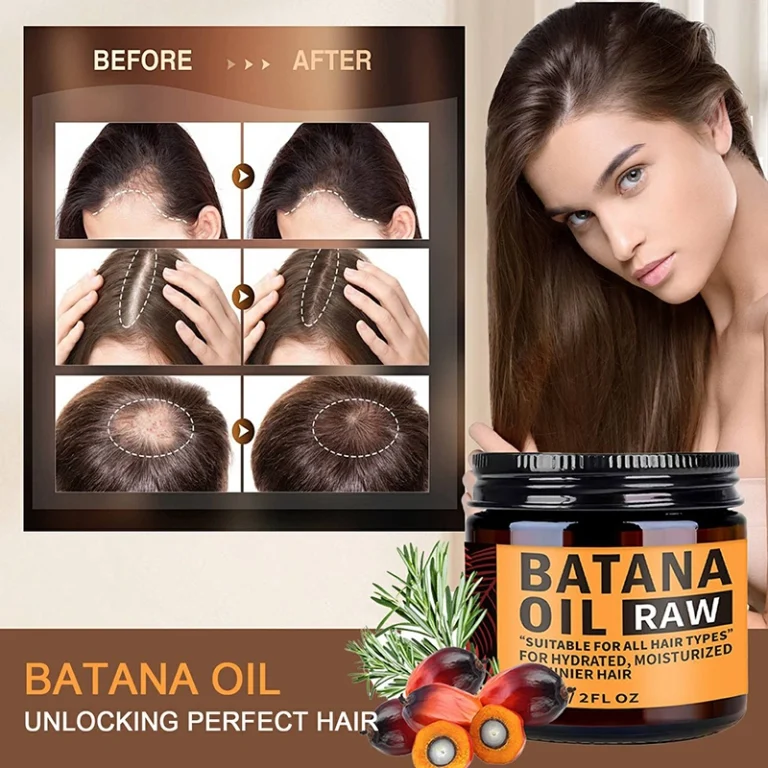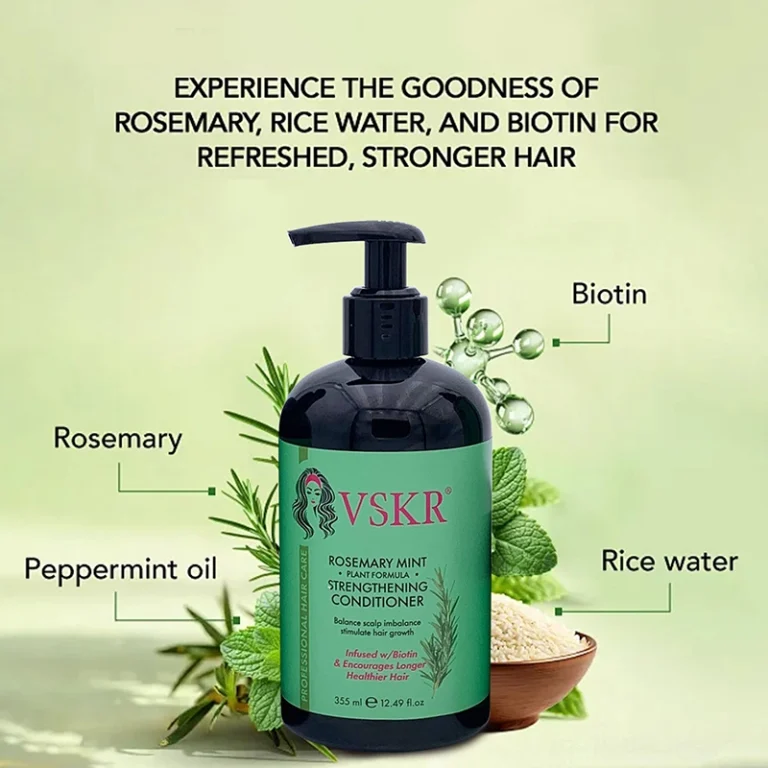
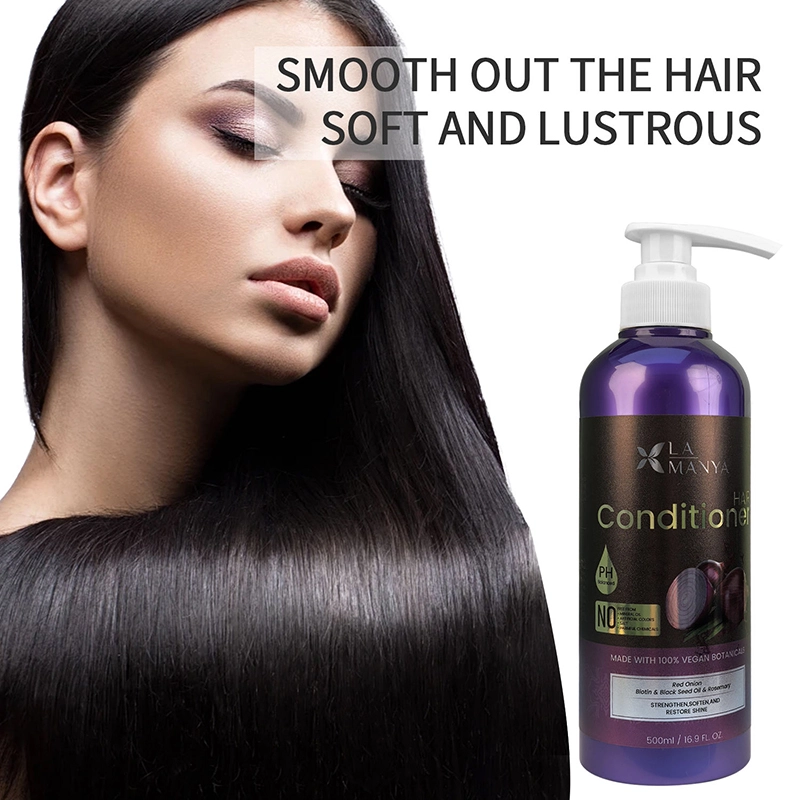
With the increasing stress of modern life, hair loss has become a common problem, leading to explosive growth in the market demand for anti hair loss shampoos. For brands looking to enter the hair care market or expand their product lines, choosing a reliable Anti Hair Loss Shampoo OEM (Original Equipment Manufacturer) partner is the key to creating a successful, trending product.
This article will provide a detailed breakdown of the core advantages, key ingredients, guidelines for selecting a manufacturer, and the complete customization process for anti hair loss shampoo OEM, helping your brand stand out in a fiercely competitive market.

Why Choose Anti Hair Loss Shampoo OEM?
For small and medium-sized brands or startups, the cost and risk of building their own factory are extremely high. Choosing the OEM model offers the following significant advantages:
- Significantly reduce R&D and production costs: No need to invest heavily in purchasing equipment and building laboratories.
- Shorten Time-to-Market: Excellent OEM factories have mature anti hair loss formula systems that can be quickly put into production with only minor adjustments.
- Professional and compliant quality assurance: Legitimate manufacturers have international certifications such as GMP and ISO, ensuring products comply with cosmetic regulations in various countries.
- Flexible Minimum Order Quantities (MOQ): Many modern OEM factories support flexible customization for small and medium batches, reducing inventory pressure for brands.
Building a Bestseller: Core Active Ingredients of Anti Hair Loss Shampoos
When choosing an OEM solution, the formulation is the top priority. A truly effective anti hair loss shampoo usually contains the following market-proven core ingredients. You can ask your OEM partner to focus on adding these to the formula:
| Ingredient Name | Key Benefits | Market Acceptance |
| Caffeine | Stimulates hair follicles, extends the hair growth cycle, and reduces hair loss. | Extremely High |
| Biotin (Vitamin B7) | Strengthens hair structure, increases hair elasticity, and prevents breakage. | Extremely High |
| Niacinamide | Improves scalp blood circulation, regulates oil secretion, and strengthens the scalp barrier. | High |
| Plant Extracts (Ginger, Ginseng, Arborvitae) | Natural and mild, nourishes the scalp, promotes hair follicle vitality, highly favored in Asian markets. | Extremely High |
| Saw Palmetto Extract | Blocks the production of DHT (a hormone that causes hair loss), suitable for androgenetic alopecia products. | High |
Expert Advice: When communicating with the OEM, be sure to emphasize the concentration of active ingredients and the use of silicone-free/mild surfactants (such as amino acid surfactants) to cater to modern consumers’ ultimate pursuit of scalp health.
How to Choose a Reliable Hair Care OEM Factory?
There are many OEM manufacturers in the market. To filter out high-quality partners, you can follow these four standards:
- Verify factory qualifications and certifications: Ensure the factory has GMPC (Good Manufacturing Practice of Cosmetics) and ISO 22716 certifications.
- Evaluate Research and Development (R&D) capabilities: Check if the factory has a professional team of formulation engineers and whether they provide formula sampling and efficacy testing reports.
- Clarify MOQ and production capacity: Confirm whether the factory’s minimum order quantity fits your initial budget and whether their daily production capacity can meet your future explosive growth.
- Supply chain and packaging services: A premium OEM provides not only bulk liquid production but also a one-stop turnkey service, including bottle procurement and label design (packaging customization).
Standard Production Process for Customizing Anti Hair Loss Shampoos
The cooperation process with an OEM factory is usually standardized and efficient:
- Requirements Communication and Concept Establishment: The brand proposes product positioning, target audience, core ingredients, and budget requirements.
- Formula R&D and Sampling: The OEM factory prepares samples based on the requirements. The brand tests them and provides feedback for modifications until the formula is confirmed.
- Packaging Design and Procurement: Determine the bottle shape, pump head, material, and label design.
- Contract Signing and Compliance Registration: Confirm the final price and delivery time. The factory assists the brand in completing registration with local cosmetic regulatory agencies.
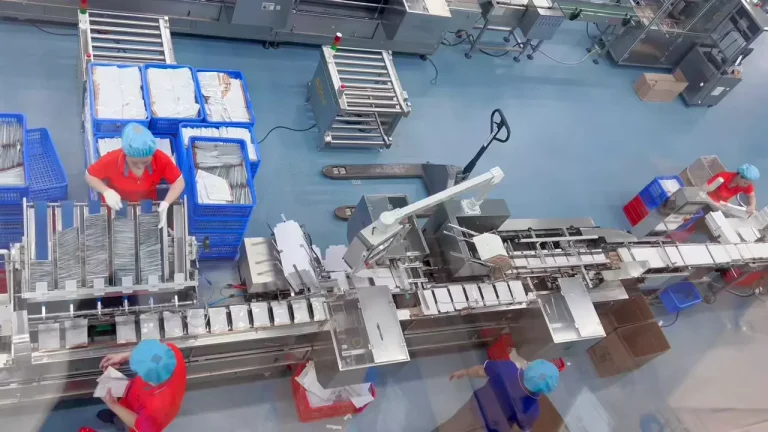
- Mass Production and Filling: The factory enters the dust-free workshop for emulsification, resting, filling, and packaging.
- Strict Quality Control (QC) and Delivery: After microbiological and physical-chemical index testing, the products are packed and shipped.
FAQ: Anti Hair Loss Shampoo OEM
To help you better understand the details of contract manufacturing, here are some of the most frequently asked questions by brands:
Q1: What is the typical Minimum Order Quantity (MOQ) for anti hair loss shampoo OEM?
The standard MOQ for most professional cosmetic OEM factories is between 3,000 and 5,000 bottles. However, some factories are willing to offer a lower MOQ of 1,000 bottles for test orders to support startup brands, depending on the purchasing limits of packaging materials.
Q2: How long does it take from sampling to final delivery?
Typically, formula sampling takes 1 to 2 weeks. After confirming the sample and packaging, mass production, filling, and final delivery usually take 30 to 45 days. For the first cooperation, the timeline may be slightly extended due to packaging customization and compliance registration.
Q3: Can I provide my own formula for the OEM factory to produce?
Absolutely. This falls under the advanced OEM/ODM model. The factory will evaluate your formula for stability, preservative challenge, and compliance. If everything meets the standards, they will sign a Non-Disclosure Agreement (NDA) and strictly mass-produce according to your formula.
Q4: Can anti hair loss shampoos claim to “cure hair loss”?
In most countries (such as the US FDA, EU, or China’s NMPA), shampoos are classified as general cosmetics (or special purpose cosmetics) and cannot make medical-grade “cure” or “treatment” claims. You can promote phrases like “strengthens hair roots,” “reduces hair breakage,” “improves scalp environment,” or “anti-hair loss” (which may require a special permit depending on the region). Be sure to have your OEM assist in reviewing the compliance of your label copywriting before launch.