The hair care industry in 2026 is being reshaped by a powerful mix of biotechnology, scalp-first formulations, and sustainability-driven innovation. For brands, retailers, and OEM/ODM buyers, understanding ingredient trends is no longer optional—it’s a key driver of product differentiation, higher margins, and long-term brand positioning.
This guide breaks down the most in-demand hair care ingredients in 2026, why they matter, and how you can leverage them to create high-conversion products.

1. Exosome Technology (Next-Gen Hair Repair)
Exosomes—nano-sized vesicles derived from stem cells—are rapidly entering hair care formulations.
Why it’s trending:
- Promotes hair follicle regeneration
- Enhances scalp repair and reduces inflammation
- Strong positioning in premium and clinical-grade hair care
Best used in:
- Hair growth serums
- Scalp treatments
- Anti-hair loss ampoules
👉 B2B Insight: Exosome-based products command higher MOQs and pricing but deliver strong branding potential in medical-grade or salon-exclusive lines.
2. Peptides for Hair Density & Strength
Peptides have moved beyond skincare and are now dominating hair formulations.
Key benefits:
- Stimulate keratin production
- Strengthen hair structure
- Improve scalp health
Popular peptide types:
- Copper peptides (for hair growth stimulation)
- Biomimetic peptides (targeted follicle repair)
👉 Product angle: “Peptide Hair Growth Serum” and “Anti-Thinning Shampoo” are high-conversion keywords in 2026.
3. Fermented Ingredients (Microbiome-Friendly Hair Care)
Fermentation technology is gaining traction due to improved bioavailability and scalp compatibility.
Trending fermented ingredients:
- Fermented rice water
- Fermented tea (kombucha)
- Fermented plant extracts
Why brands love it:
- Supports scalp microbiome balance
- Enhances nutrient absorption
- Aligns with clean beauty trends
👉 Market trend: Strong demand in K-beauty-inspired hair care lines.
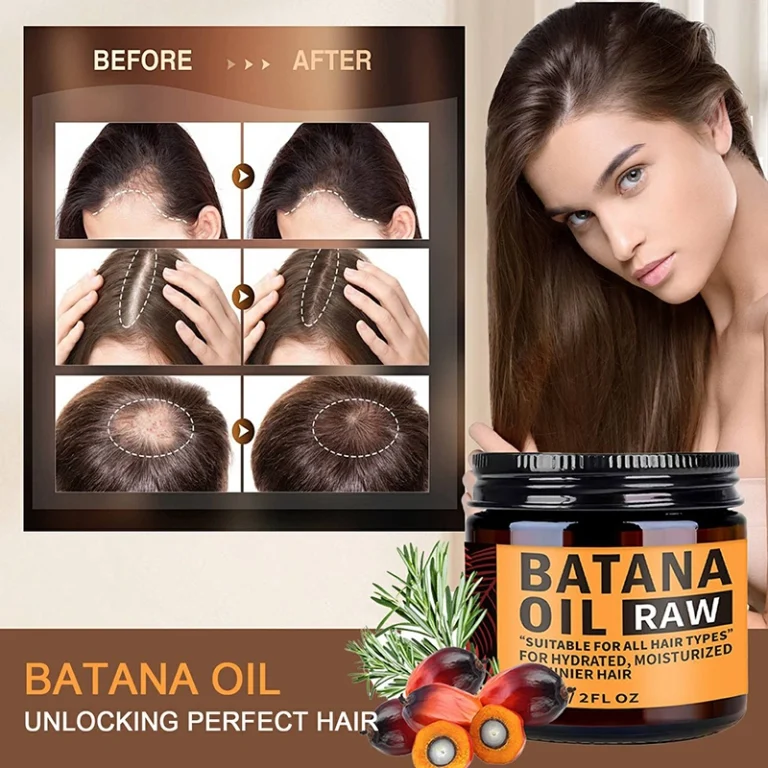
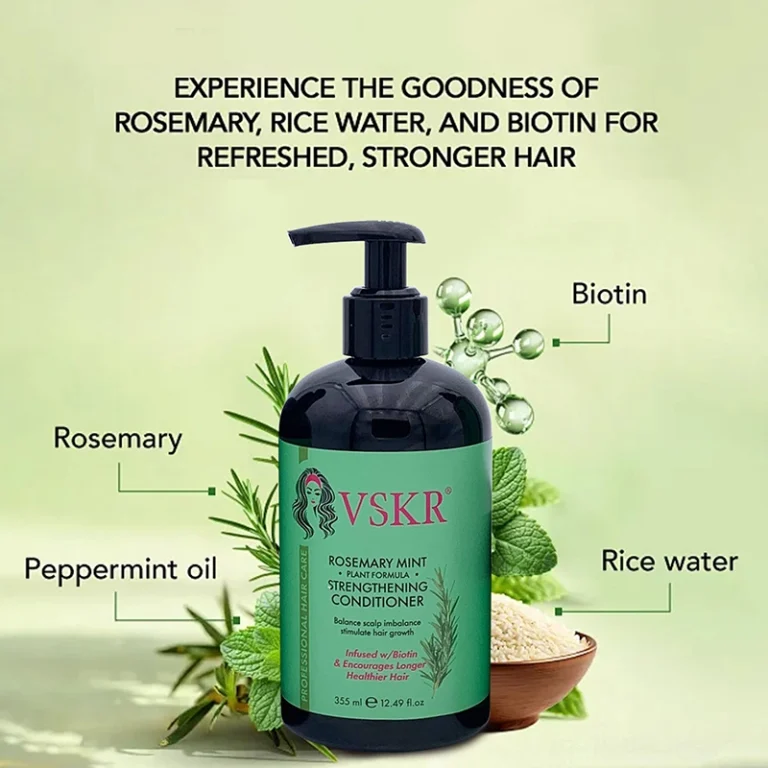
4. Rosemary Oil (Natural Hair Growth Hero)
Natural ingredients are still booming, and rosemary oil is leading the category.
Benefits:
- Clinically compared to minoxidil-like performance (in some studies)
- Boosts scalp circulation
- Reduces hair thinning
Product applications:
- Hair oils
- Scalp tonics
- Leave-in treatments
👉 SEO opportunity: “Rosemary oil for hair growth” continues to generate massive organic traffic globally.
5. Caffeine (Anti-Hair Loss Staple)
Caffeine remains a proven ingredient in anti-hair loss products.
Why it works:
- Stimulates hair follicles
- Extends hair growth phase (anagen phase)
- Improves scalp circulation
Ideal for:
- Men’s hair care lines
- Anti-DHT shampoos
- Hair thickening tonics
6. Niacinamide (Scalp Barrier Repair)
Niacinamide (Vitamin B3) is now a core scalp-care ingredient.
Key functions:
- Regulates sebum production
- Reduces scalp inflammation
- Strengthens scalp barrier
👉 Trend shift: Hair care is becoming “skincare for the scalp”, and niacinamide is at the center of this movement.
7. Hyaluronic Acid (Scalp Hydration Booster)
Traditionally a skincare staple, hyaluronic acid is now widely used in hair care.
Benefits:
- Deep hydration for dry scalp
- Improves hair elasticity
- Reduces frizz
Best formats:
- Hydrating scalp serums
- Moisturizing shampoos
- Leave-in conditioners
8. Plant Stem Cells (Botanical Innovation)
Plant-derived stem cells are gaining popularity as a natural alternative to synthetic actives.
Sources:
- Apple stem cells
- Grape stem cells
- Edelweiss extracts
Benefits:
- Protect hair follicles
- Anti-aging effects on scalp
- Strong clean + biotech positioning
9. Adaptogens (Stress-Related Hair Loss Solutions)
Hair loss linked to stress is a major consumer concern in 2026.
Trending adaptogens:
- Ashwagandha
- Ginseng
- Reishi mushroom
Why they matter:
- Help regulate stress response
- Support scalp health
- Fit into holistic wellness branding
10. Upcycled Ingredients (Sustainable Beauty Movement)
Sustainability is no longer optional—it’s a buying requirement.
Examples:
- Upcycled coffee oil
- Fruit peel extracts
- Recycled botanical actives
Benefits:
- Reduces waste
- Appeals to eco-conscious consumers
- Enhances brand storytelling
👉 B2B Opportunity: Products with sustainability claims often achieve higher retail pricing and better retailer acceptance.
Key Industry Shifts in 2026
1. Scalp Care = Skincare
Consumers are treating the scalp like facial skin, demanding:
- Active ingredients
- Clinical claims
- Microbiome balance
2. Hybrid Formulations
Products now combine:
- Natural + biotech
- Traditional + clinical actives
3. Results-Driven Marketing
Generic claims are no longer effective. Winning brands focus on:
- “Clinically tested”
- “Dermatologist-backed”
- “Visible results in X days”
How to Turn These Trends into High-Converting Products
For brands and importers, here’s how to capitalize:
Product Strategy:
- Launch 1 hero product (e.g., peptide hair serum)
- Support with 2–3 complementary SKUs
- Build a “system” (shampoo + serum + mask)
Positioning Ideas:
- “Scalp Repair System”
- “Hair Density Boost Collection”
- “Microbiome Hair Care Line”
MOQ & Production Insight:
- Standard MOQ: 1,000–5,000 units per SKU
- Lead time: 30–45 days
- Certifications: ISO 22716 (GMP), MSDS, COA
Conclusion
The biggest winners in 2026 hair care are not just following trends—they are combining science, nature, and storytelling into scalable products.
If you are sourcing or developing new hair care products, focus on:
- Peptides + Exosomes (high-end positioning)
- Rosemary + Caffeine (mass-market demand)
- Fermented + Upcycled ingredients (trend-driven branding)
These ingredients are not just popular—they represent the future direction of the global hair care industry.