In recent years, the personal care market has experienced unprecedented explosive growth. From botanical amino acid shampoos to long-lasting fragrance body washes, an increasing number of emerging brands and cross-industry entrepreneurs are entering this track. However, for most startups, the cost and risk of building their own factory are simply too high. This is where a reliable hair and body care OEM/ODM factory becomes the “secret weapon” for a brand’s successful launch and potential to create a blockbuster product.
So, facing a mixed bag of supply chains, how can brand owners avoid pitfalls and find the most suitable contract manufacturer? This guide will take you from zero to mastering the core logic of OEM/ODM cooperation.

Why Do You Need a Professional Hair & Body Care Manufacturer?
Before discussing how to choose, we must first clarify the core value an OEM/ODM factory brings to a brand.
- Significantly Reduce Trial-and-Error and Financial Costs: Building a standard daily chemical factory requires millions of dollars in investment. Through the OEM/ODM model, brand owners can focus their capital on marketing and channel expansion, achieving asset-light operations.
- Share Top-Tier R&D and Formulations: Excellent manufacturers (especially ODM factories) usually have their own mature formulation libraries and professional R&D engineering teams. They can quickly provide mature solutions based on the brand’s positioning (e.g., oil control, anti-hair loss, sensitive skin-friendly).
- Shorten Time-to-Market: From raw material procurement and customized packaging to production and filling, professional manufacturers have a complete supply chain system. This greatly shortens the product R&D and production cycle, helping brands quickly seize market share.
The Anti-Pitfall Guide: Four Core Criteria for Selecting a Manufacturer
Looking for a factory is like looking for a business partner; simply looking at the quotation is far from enough. During on-site inspections and screening, it is recommended to focus on the following four dimensions:
1. Hard Qualifications and Production Environment
This is the most basic and critical part. The production of cosmetics and personal care products directly affects consumer health.
- Must-Have Certifications: Check if the factory has a cosmetics production license and if it has passed GMPC (Good Manufacturing Practice of Cosmetics) and ISO 22716 international quality certifications.
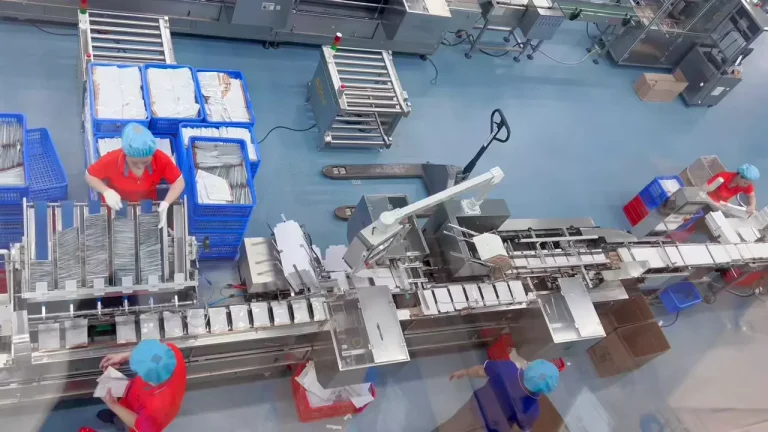
- Workshop Environment: Excellent factories are usually equipped with 100,000-class or even higher-level dust-free purification workshops, as well as automated emulsification pots and filling lines, ensuring hygiene and stability during production.
2. R&D Capabilities and Sampling Efficiency
Personal care products on the market are highly homogenized. To stand out, your formulation must have highlights.
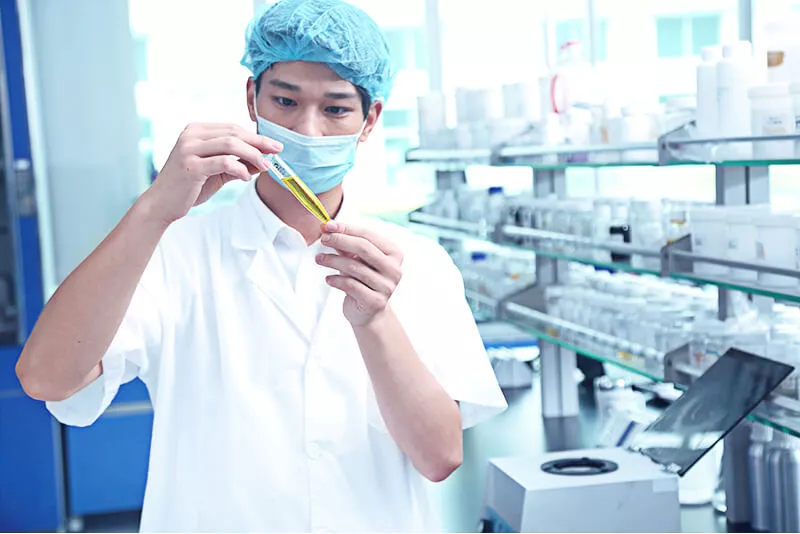
- Laboratory Equipment: Visit the R&D lab to see if they can conduct product stability tests, preservative challenge tests, etc.
- Sampling Cooperation: A good factory will patiently listen to the brand’s needs, provide samples quickly, and be willing to make multiple adjustments based on feedback until the desired skin feel, scent, and efficacy are achieved.
3. Production Capacity and Minimum Order Quantity (MOQ)
This directly relates to the brand’s future cash flow and inventory pressure.
- Flexible MOQ: For startups, an MOQ of tens of thousands of bottles can cause huge inventory risks. Finding a supply chain willing to support new brands with small-batch trial production (e.g., 3,000-5,000 bottles) is crucial.
- Capacity Elasticity: When your product suddenly goes viral, whether the factory can respond quickly and scale up production determines if you can capture that surge in traffic.
4. Successful Cases and Industry Reputation
Don’t just listen to the sales pitch; look at what they have actually produced.
- Partner Brands: Find out which well-known or emerging brands the factory has served. If there are brands you recognize and approve of, it shows the factory’s strength has been tested by the market.
- Expertise Categories: Some factories excel in shampoo, while others are better at body lotions. Choose a factory with rich experience in your target category.
Running the Process: The Four Stages of OEM/ODM Cooperation
Once you have locked in your ideal hair and body care factory, you will typically go through the following standardized process:
- Requirement Communication & Assessment: Clarify product positioning, core ingredients, fragrance, target cost, and expected sales volume.
- Formulation Sampling & Confirmation: The factory’s R&D department provides samples, the brand provides feedback, and both parties adjust until the final sample is sealed.
- Packaging Procurement & Testing: Confirm packaging materials (bottles, pumps, labels) and conduct compatibility tests with the bulk material to prevent leakage or spoilage later on.
- Mass Production & Delivery: Sign a formal contract; the factory schedules production, filling, and quality inspection, ultimately delivering the finished products on time.
FAQ: Frequently Asked Questions About Hair & Body Care OEM/ODM (A Must-Read for Brand Owners)
Q1: For a startup with limited funds, what is the general Minimum Order Quantity (MOQ) for contract manufacturing? A: MOQ mainly depends on packaging and raw materials. Generally, if you choose the factory’s existing mature formulation and standard mold bottles, many factories can support a small-batch trial run of 3,000 to 5,000 units. However, if you need customized private molds or special packaging materials, the packaging supplier’s MOQ usually jumps to 10,000 units or more. It’s advisable to communicate early and find a supply chain offering flexible MOQs.
Q2: How long does it roughly take from confirming the partnership to receiving the final finished product? A: Under normal circumstances, if you choose the factory’s mature formulation (ODM model), it takes about 30 to 45 days from sample confirmation and packaging customization to compliance filing and final shipment. If a completely new formulation needs to be developed (involving longer stability and preservative tests), the timeline may extend to 60 days or more.
Q3: I don’t have a formulation, only a product concept and a benchmark product. Can the factory do it? A: Absolutely. Professional contract manufacturers have vast libraries of mature formulations and senior R&D engineers. You simply need to provide a benchmark product (like a certain high-end shampoo) and clarify your desired skin feel, fragrance, core efficacy, and budget. The factory’s lab can “reverse engineer” or blend a formulation that meets your exact needs.
Q4: When looking for a hair and body care factory, which region in China has the most mature supply chain? A: Guangzhou is widely recognized as the core industrial belt for daily chemicals and cosmetics in China. It gathers the country’s densest network of raw material suppliers, packaging suppliers, and OEM/ODM factories. For example, finding a mature Guangzhou shampoo factory usually means you can enjoy more transparent pricing, faster sampling, and highly efficient upstream and downstream collaboration.
Q5: Will the factory help with cosmetics regulatory filing before the product launches? A: Legitimate and qualified manufacturers provide assistance with regulatory filing. They will be responsible for issuing necessary documents such as the ingredient list, manufacturing process description, and quality inspection reports. They will also guide or act on your behalf to complete the general cosmetics filing procedures with the relevant authorities (e.g., NMPA in China), ensuring your product can be legally launched and sold.
Conclusion
In today’s “beauty economy” era, a successful personal care brand needs not only a great marketing story but also solid product strength as a foundation. Choosing a hair and body care manufacturer that understands your needs, offers superior quality, and is highly cooperative is the first and most critical step toward success. Compare options, conduct thorough inspections, avoid blindly chasing the lowest price, and you will surely find your super supply chain partner.